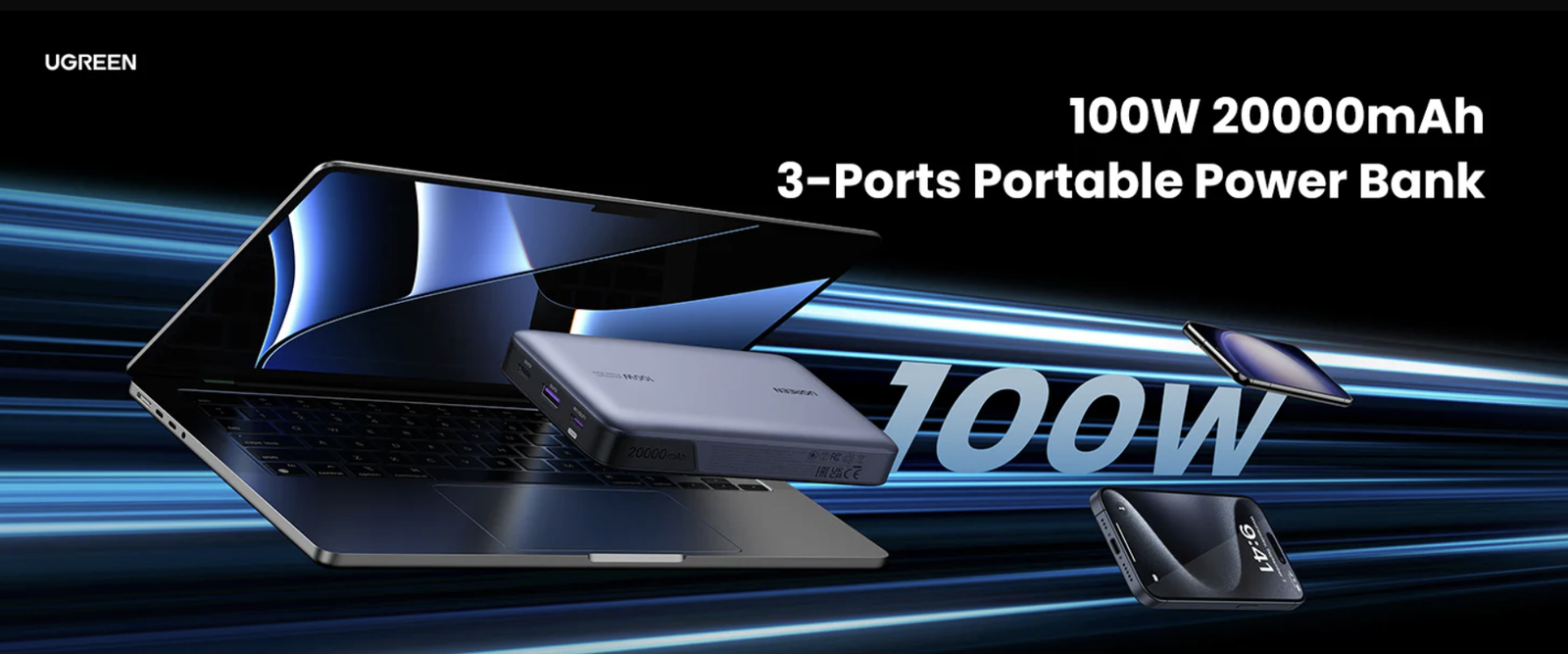
Best Power Bank for Travel 2026: 6 Flight-Legal Picks
The best power bank for travel in 2026 has to do two jobs at once: clear the airline rules and keep your phone, tablet and laptop alive when there is no socket in sight. Airlines tightened lithium battery rules this year, with IATA and the UK CAA holding the 100Wh carry-on limit and several US carriers adding per-passenger caps from May 2026. The bank you reach for now matters more than it used to.

Updated 13 September 2026
Affiliate disclosure: if you buy through links on this page we may earn a commission, at no extra cost to you. As an Amazon Associate we earn from qualifying purchases.
Our top pick
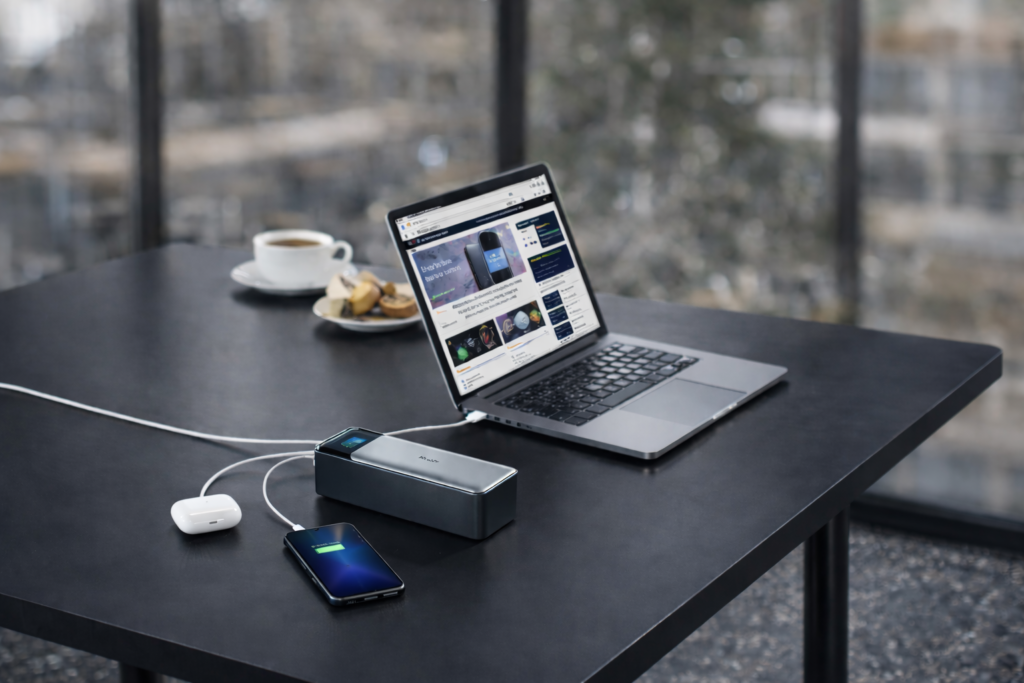
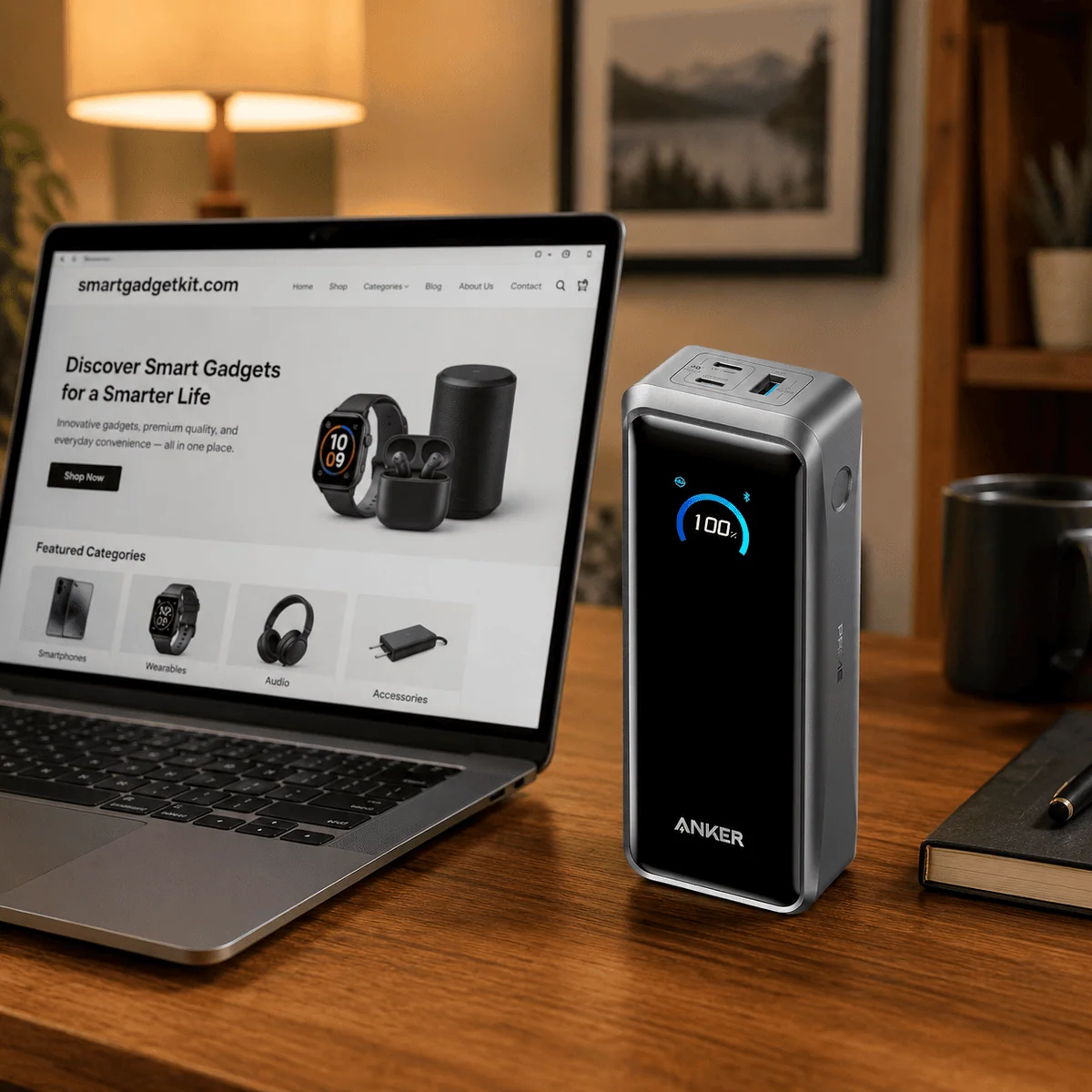
Anker 737 PowerCore 24K
Anker 737 PowerCore 24K. Clears the 100Wh cabin rule and charges a laptop at 140W across a long-haul day.
The 24,000mAh cell is rated at 86.4Wh, comfortably inside the 100Wh limit that IATA and the UK CAA set for cabin baggage without airline approval, so it goes in your bag with no paperwork and no awkward gate conversation.
It is not the lightest option here at around 630g, but for a long-haul day with no socket in sight that weight buys you roughly four to five phone top-ups or a meaningful laptop boost, and that trade is the entire point of carrying it.
Good
- 86.4Wh, clears the 100Wh cabin limit
- 140W charges most USB-C laptops
- Clear digital display for charge and wattage
- Fast self-recharge from a 140W charger
Watch
- Heavy for short city breaks
- More capacity than a phone-only traveller needs
Start here
What are you buying it for?
Every pick below is a use-case winner. Tap the job that fits and the matching bank lights up in the shortlist.
The other five picks at a glance
The winner is above. These five cover the other jobs, from a pocketable phone bank to the most capacity you can legally carry on.
 Best compact
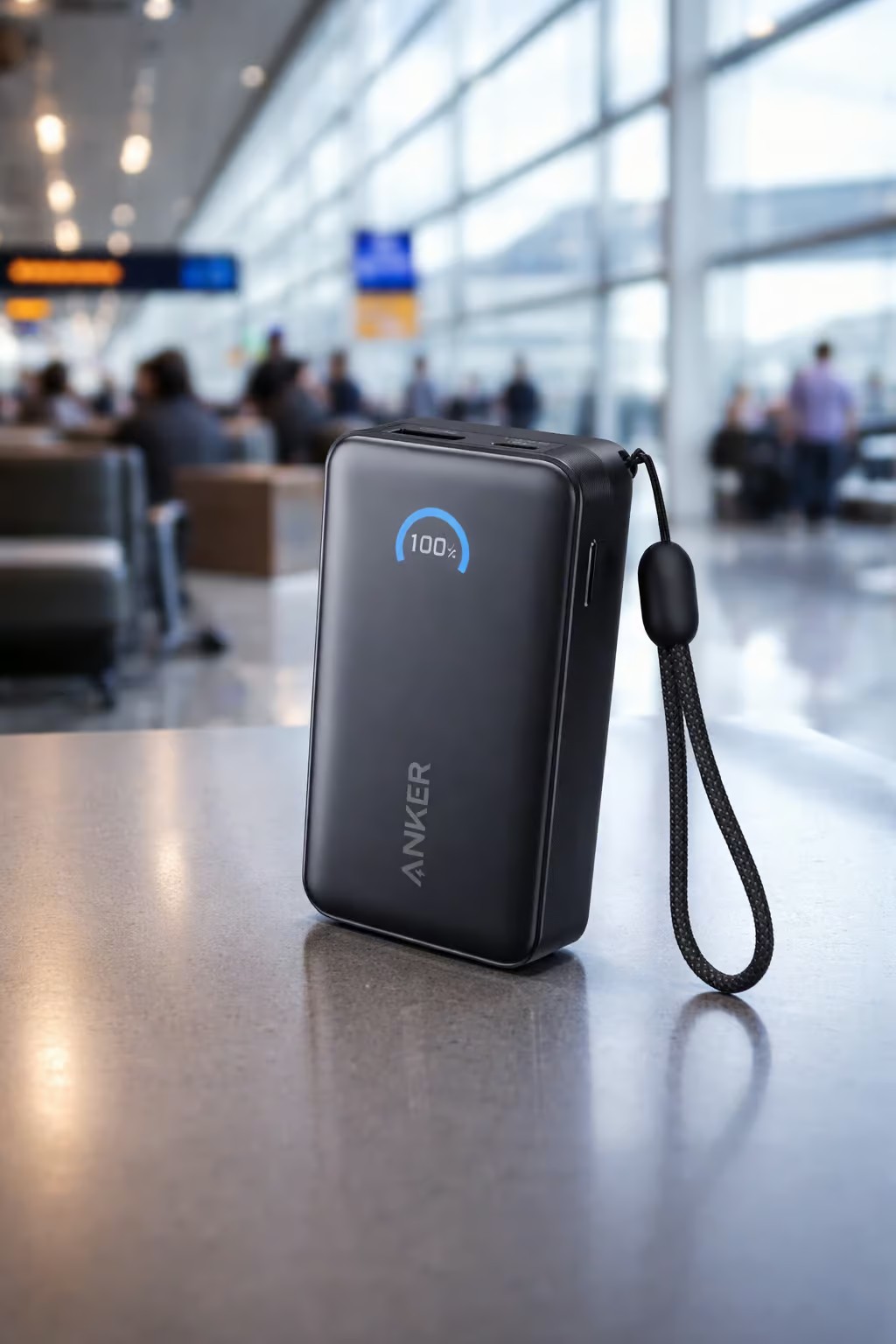
Anker Nano 10K 45W
A full phone day in a pocketable bank with a built-in cable, fine for any flight.
 Best for laptops
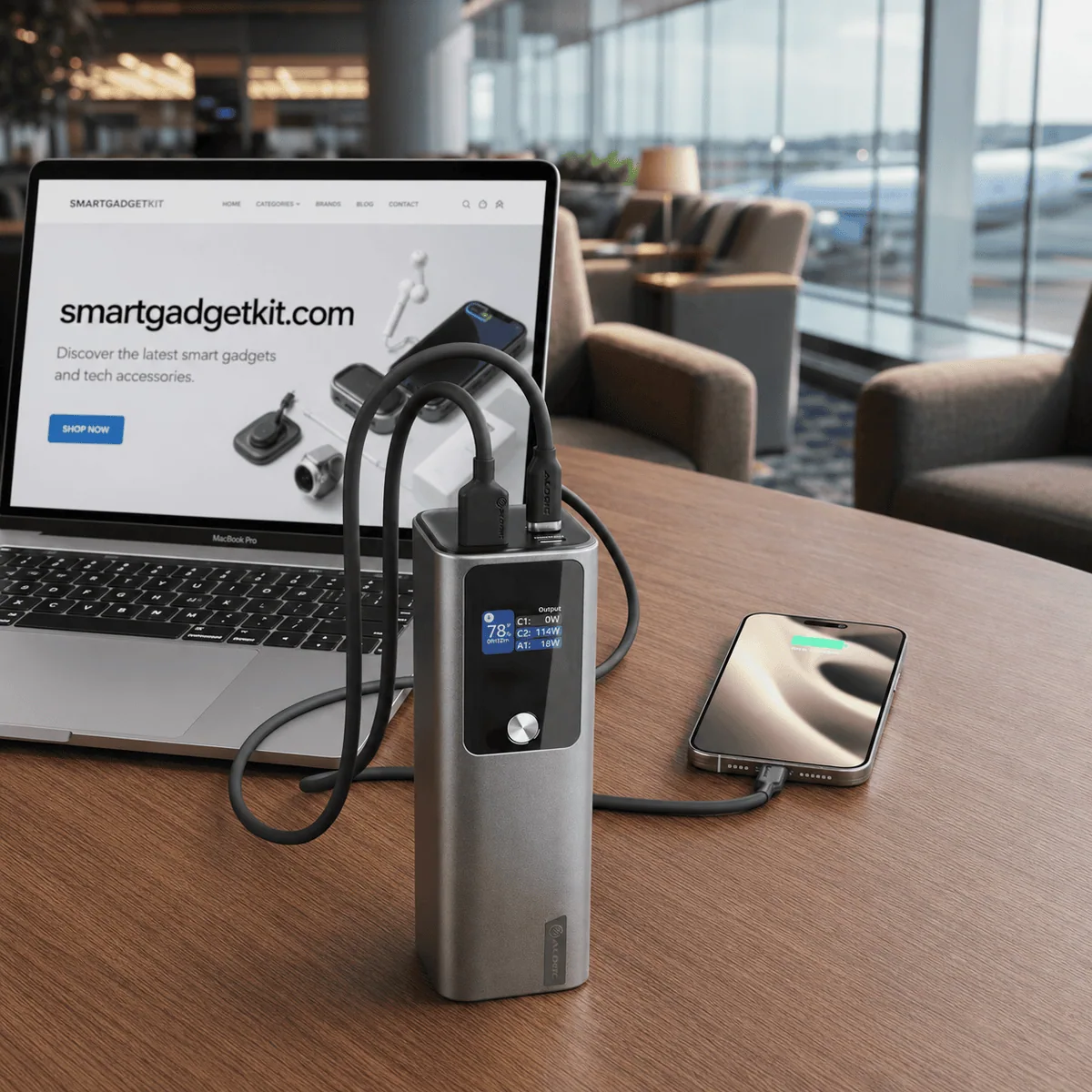
ALOGIC Ark 27,000mAh
The most capacity you can legally carry on, with 140W laptop charging.
 Best premium
Anker Prime 26K 300W
300W total and a 50% refill in about 13 minutes, near the legal capacity ceiling.
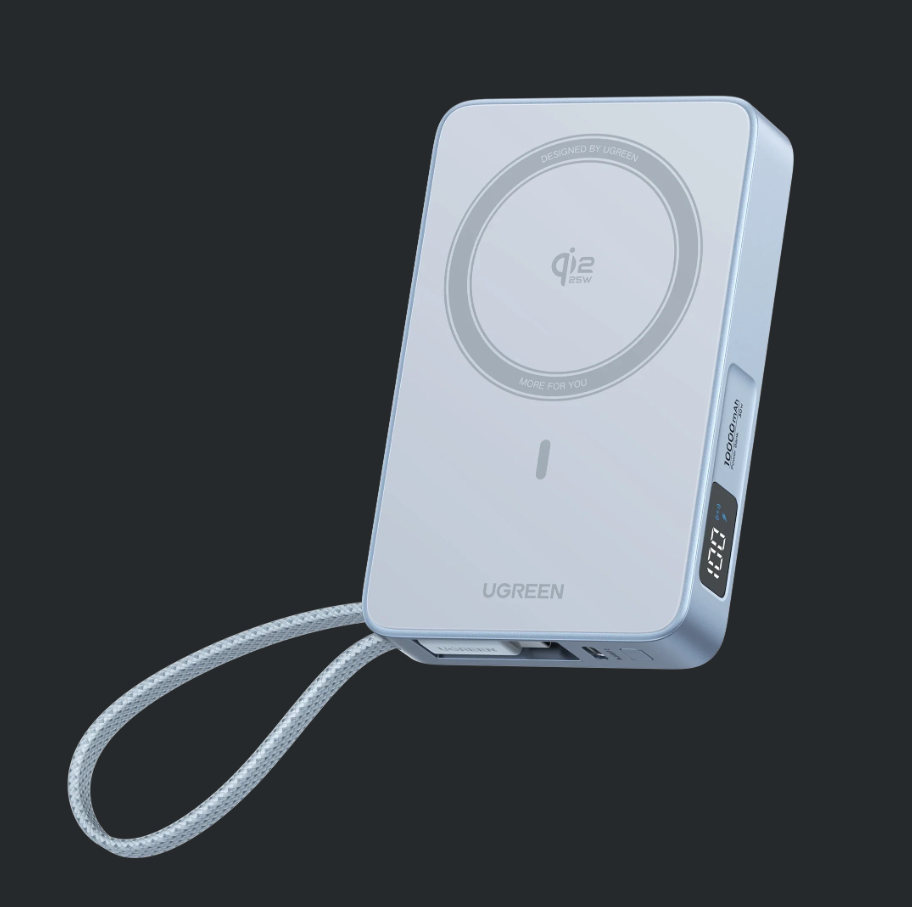 Best MagSafe
UGREEN MagFlow Qi2 25W
Full 25W Qi2 wireless that snaps onto an iPhone, light and flight-friendly.
 Best value
CUKTECH 15 SE PB200
20,000mAh and 65W charging in a flight-legal bank without the flagship outlay.
Compare
Side by side
The same six banks as a straight spec comparison. Capacity is the tank, single-port output is the tap. Stars are editorial; per-product rating markup lives on our standalone reviews, never on a roundup.
All six banks sit under the 100Wh carry-on limit. The column shows the printed watt-hour figure where the maker publishes one.
 Darleene asks
“My old charger does the job. Why do I need a fast one just because I am travelling?”
Alisdair’s answer: because the bank that charges fast is the one that is actually ready when you are.
On a slow bank you can come home from a long day, put your phone, the power bank and your headphones on to charge, and they still will not be full by bedtime. With a fast one, everything is done by the time you have cooked, eaten and showered, and you can call home in the evening without waiting around. For travel it is the same lesson: a fast bank refills in a lounge stop or an airport break rather than overnight.
Best overall: Anker 737 PowerCore 24K
The long-haul flyer who carries a phone, a tablet and a USB-C laptop and does not want to ration power.
The Anker 737 is the bank we keep coming back to for travel because it answers the two questions that matter at 35,000 feet: does it clear the carry-on rule, and can it charge a laptop.
What sets it apart is the 140W ceiling across its two USB-C ports. That is enough to fast-charge most 14-inch USB-C laptops, including the MacBook Air and many Windows ultrabooks, alongside a phone on the second port.
The 737 is one of the most widely reviewed travel banks, consistently praised for sustained multi-device output. The small colour display showing remaining charge and live wattage earns its keep when you are deciding whether you have enough left for the flight home.
It is not the lightest option here at around 630g. You feel it in a jacket pocket and it is overkill for a quick city break.
But for a long-haul day with no socket in sight, that weight buys you roughly four to five phone top-ups or a meaningful laptop boost, and that trade is the entire point of carrying it. Recharge is quick too: feed it a 140W charger and it refills in not much over an hour, so a lounge stop puts it back near full.
Build quality is reassuringly solid, the USB-A port covers older accessories and earbud cases, and Anker’s record on safety and warranty is the strongest in the category. If you want one bank that handles a phone, a tablet and a laptop across a travel day and clears every airline rule, this is it.
Airline: 86.4Wh, inside the usual 100Wh carry-on limit. Always check your airline.
Good
- 86.4Wh, clears the 100Wh cabin limit
- 140W charges most USB-C laptops
- Clear digital display for charge and wattage
- Fast self-recharge from a 140W charger
Watch
- Heavy for short city breaks
- More capacity than a phone-only traveller needs
Best compact: Anker Nano 10K 45W
The minimalist and short-haul flyer who wants a day of phone power with zero cable faff.
When you are travelling carry-on only and your phone is the one thing that has to stay alive, the Anker Nano 10K is the easy choice. Its 10,000mAh cell is rated at 36Wh, nowhere near the 100Wh limit and welcome on any flight worldwide. The clever part is the built-in retractable USB-C cable: there is nothing to pack and nothing to lose, and it doubles as a short tether so the bank sits flat against your phone on a tray table.
At 45W it is quick enough to fast-charge a phone and even trickle a small tablet or a USB-C handheld. TechRadar, reviewing the Nano line, flagged it as the sweet spot between pocketability and useful output, and at around 232g it genuinely disappears into a jacket pocket. The extra USB-C and USB-A ports mean you can still charge a second device when you need to.
Airline: 36Wh, no restrictions anywhere. Always check your airline.
Good
- 36Wh, no flight restrictions anywhere
- Built-in retractable cable, nothing to pack
- Truly pocketable at around 232g
- 45W fast charge for phones
Watch
- One phone day of capacity, not a laptop charger
- 45W is modest if you carry power-hungry kit
Best for laptops: ALOGIC Ark 27,000mAh
The frequent flyer who wants the absolute most capacity the rules allow, with proper laptop charging.
If your priority is squeezing every legal watt-hour into your carry-on, the ALOGIC Ark is the one to beat. At 27,000mAh it is rated 97.2Wh, sitting just under the 100Wh ceiling that IATA and the UK CAA enforce, which makes it the largest bank here you can still carry on without airline sign-off. ALOGIC states the Ark meets global flight-safety standards and is approved for cabin use.
Its 140W output across two USB-C ports handles full-size USB-C laptops, and ALOGIC rates a 50% refill in about 30 minutes from a 140W charger. MacRumors, reviewing the sibling Ark Pro, highlighted its laptop-class delivery and solid build.
At around 635g it is in the same weight class as the Anker 737, which is the cost of carrying near-maximum capacity. There is no SGK standalone review yet, but the spec sheet is clear: this is the maximum-legal-capacity pick for travellers who treat a power bank as a laptop lifeline rather than a phone topper.
Airline: 97.2Wh, inside the usual 100Wh carry-on limit. Always check your airline.
Good
- 97.2Wh, the most capacity you can legally carry on
- 140W charges full-size USB-C laptops
- Fast 50% self-recharge in about 30 minutes
Watch
- Heavy at around 635g
- Amazon only, no brand-direct option
Best premium: Anker Prime 26K 300W
The power user who charges a laptop and a phone at full speed and wants the fastest refill going.
The Anker Prime is the showpiece of the group. Its 26,250mAh cell is rated 99.75Wh, a whisker under the 100Wh cabin limit, paired with a 300W total output that no other bank here approaches. Each USB-C port can hit 140W, so you can fast-charge two laptops at once, or a laptop and a phone, without either slowing down.
The headline trick is recharge speed. With 250W dual USB-C input, Anker rates a 50% refill in around 13 minutes, and HowToGeek and Digital Camera World have both reviewed the bank in depth.
A bright colour display shows live wattage, temperature and remaining charge, and the app adds finer control for anyone who wants it. At roughly 600g it is travel-friendly for its class, and the near-100Wh capacity clears carry-on rules with room to spare.
There is no SGK review yet, but for a traveller who refuses to wait around, this is the fastest, most capable bank on the list.
Airline: 99.75Wh, inside the usual 100Wh carry-on limit. Always check your airline.
Good
- 300W total, two 140W USB-C ports
- Refills to 50% in about 13 minutes
- Near-maximum legal capacity at 99.75Wh
- Colour display and app control
Watch
- Premium positioning
- Amazon only here, no brand-direct link
Best MagSafe: UGREEN MagFlow Qi2 25W
The iPhone traveller who wants cable-free magnetic charging that snaps on and stays put.
For iPhone owners, the UGREEN MagFlow is the travel pick that makes the most sense. It is a fully Qi2-certified magnetic bank, so it delivers the full 25W wireless standard and locks onto an iPhone 12 or later with a proper magnetic grip, no case-alignment guesswork. Its 10,000mAh cell is rated 36Wh, far below the 100Wh limit, so it flies anywhere.
Qi2 at 25W is roughly double the speed of the old 7.5W magnetic banks, and independent coverage of the Qi2 rollout from Android Authority has shown certified pads charging noticeably faster and running cooler than the first generation.
Wired, it pushes up to 30W over USB-C for a quicker top-up or to charge a second device. At 254g it is light enough to leave attached while you scroll, and the flat magnetic profile sits neatly in a tote or seat-back pocket.
This is the one we point iPhone-first travellers to.
Airline: 36Wh, no flight limits anywhere. Always check your airline.
Good
- Full Qi2 25W wireless charging
- Strong magnetic grip on iPhone 12 and later
- 30W wired for faster top-ups
- 36Wh, no flight limits anywhere
Watch
- 10,000mAh suits a phone, not a laptop
- Wireless charging is less efficient than cable
Best value: CUKTECH 15 SE PB200
The traveller who wants real capacity and fast charging without paying flagship money.
The CUKTECH 15 SE is the value play, and it punches well above its station. Its 20,000mAh cell is rated 72Wh, comfortably inside the 100Wh cabin limit, and its 65W USB-C output is enough to fast-charge a phone or give a thin-and-light laptop a real boost rather than a slow trickle.
CUKTECH is the battery-focused spin-off from the Xiaomi ecosystem, and the brand has built a reputation for putting flagship cells and charging circuitry into keenly specified banks. The 15 SE follows that pattern: two USB-C ports plus a USB-A, a sensible 490g weight for 20,000mAh, and the kind of sustained output that usually sits a class above.
It will not match the 140W laptop charging of the Anker or ALOGIC banks, and there is no brand-direct programme, so it is Amazon only. For a traveller who wants two-device capacity and 65W charging in one flight-legal bank without overspending, it is the smartest-value choice here.
Airline: 72Wh, inside the usual 100Wh carry-on limit. Always check your airline.
Good
- 72Wh, comfortably flight-legal
- 65W fast charge for phones and light laptops
- Strong capacity-to-weight at around 490g
Watch
- 65W tops out below full laptop speed
- Amazon only, no brand-direct option
The bottom line
For most travellers the best power bank for travel in 2026 is the Anker 737 PowerCore 24K: it clears the 100Wh cabin rule, charges a laptop at 140W, and lasts a long-haul day across several devices. If you want the absolute maximum legal capacity, the ALOGIC Ark is the runner-up, edging closer to the 100Wh line for laptop-heavy trips.
Every pick here was chosen against four criteria: flight-legal capacity, charging speed and output, real-world portability, and value for what you get. We do not lab-test in-house.
We synthesise manufacturer specifications, independent testing from named outlets, and verified owner feedback, and we cite our sources. For the wider shortlist beyond travel, see our best power banks 2026 guide.
How to choose the best power bank for travel
The two numbers that decide it are watt-hours and single-port output.
Start with what you need to charge. If it is just a phone, a 10,000mAh bank like the Anker Nano covers a full day and slips into any pocket.
If it is a laptop, you need capacity and 100W-plus output, which points to the Anker 737 for most people or the ALOGIC Ark if you want the maximum legal capacity. Not sure where your bank lands? Our power bank flight calculator shows you in seconds.
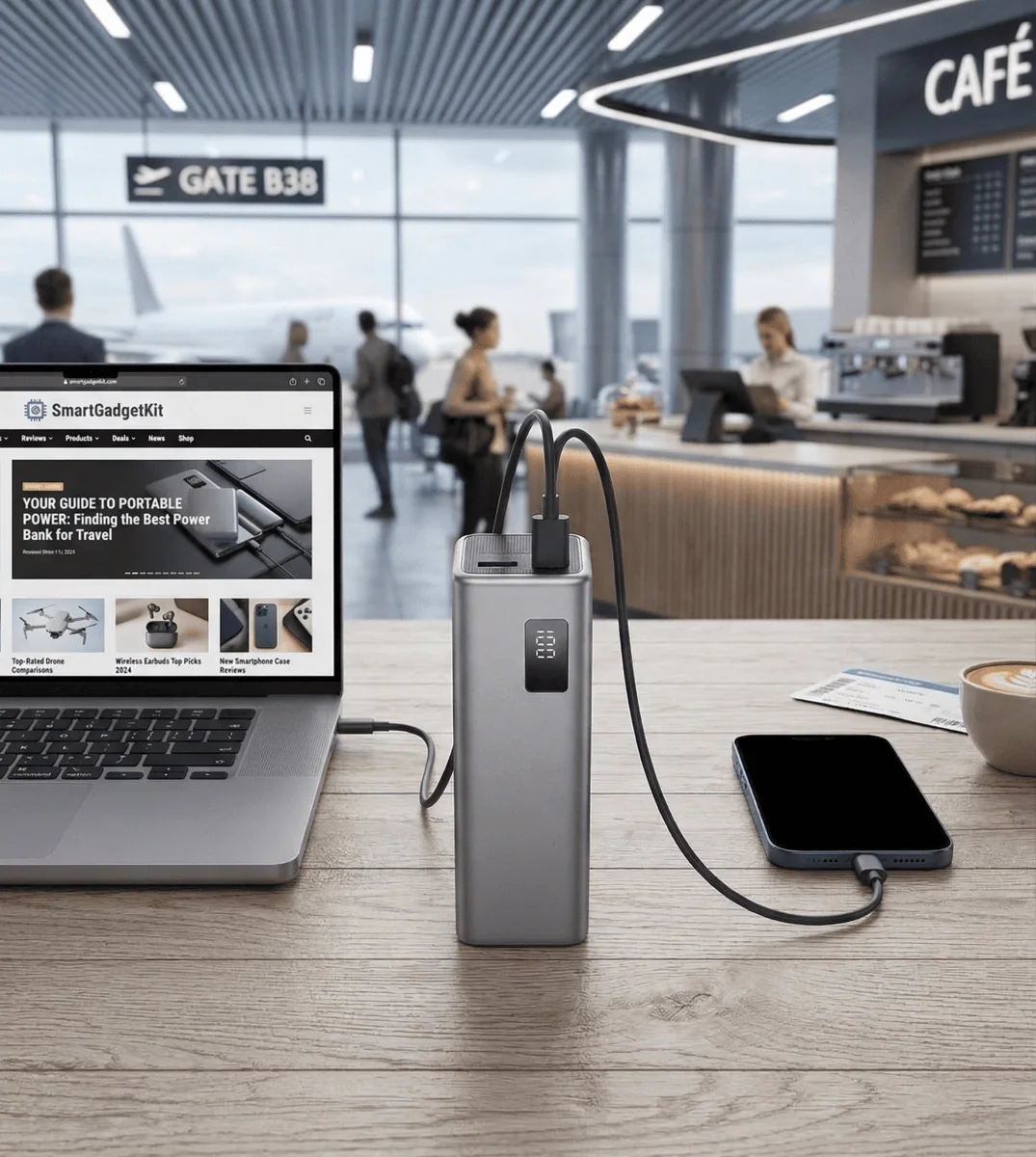
The 100Wh rule decides what you can carry on. Airlines measure power banks in watt-hours, not mAh. The global limit set by IATA and enforced by the UK CAA, the FAA and TSA is 100Wh per bank in carry-on, and power banks are never allowed in checked luggage.
Between 100Wh and 160Wh you need airline approval, and above 160Wh you cannot fly with it at all. To convert, multiply mAh by the cell voltage (usually 3.6V) and divide by 1,000, so a 20,000mAh bank is about 72Wh. Every pick here sits under 100Wh on purpose.
From May 2026 several US carriers also added per-passenger caps and now ask you to keep banks within reach rather than in the overhead bin, so check your airline before you fly.
Match charging speed and ports to your devices. A phone-only traveller is well served by 20W to 45W. To charge a USB-C laptop you want 100W or more on a single USB-C port, which points to the Anker 737, ALOGIC Ark and Anker Prime.
Count your ports too: two USB-C ports let you charge a laptop and a phone at once, while a USB-A port keeps older cables and earbud cases useful. iPhone owners who would rather skip cables can trade a little efficiency for a Qi2 magnetic bank that snaps straight on.
Then think about how you travel. Cabin-only minimalists should keep weight down and pick the smallest bank that does the job. Long-haul flyers and digital nomads get more from a high-capacity bank that clears the 100Wh rule.
iPhone users who want zero cables should look at the Qi2 MagFlow, and if budget is the deciding factor, the CUKTECH 15 SE gives you 20,000mAh and 65W without the flagship outlay.
Whatever you choose, confirm the watt-hour rating before you fly and read our full guide on whether you can take a power bank on a plane.
Frequently asked questions
Straight answers to what buyers search for.
What is the best power bank for travel in 2026?
What is the largest power bank I can take on a plane?
How many mAh is 100Wh?
Can a power bank charge a laptop on a flight?
Do US airlines have new power bank rules in 2026?
Are wireless MagSafe power banks allowed on planes?
Keep reading
The guides and reviews that go deeper on each job.
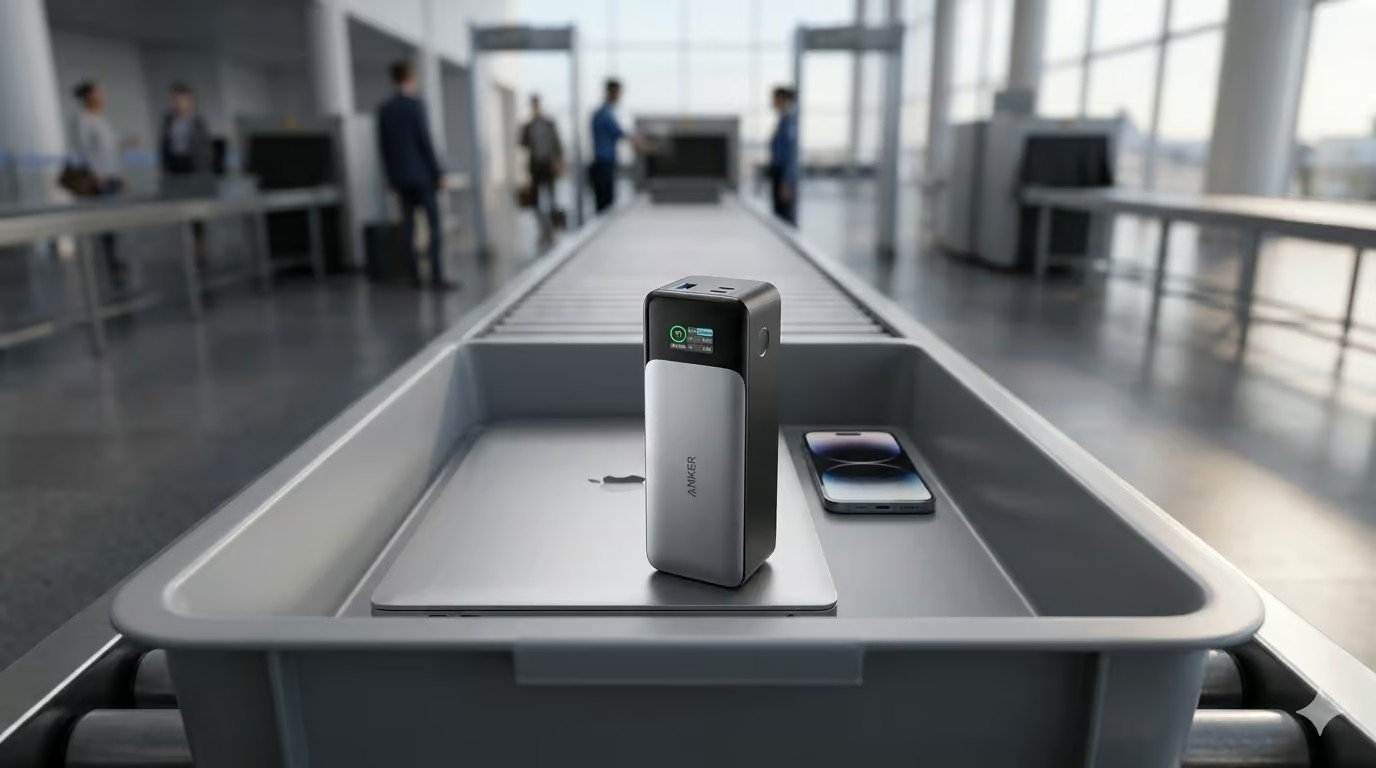
Can You Take a Power Bank on a Plane?
The 100Wh cabin rule in plain English, and what it means for every pick here.
Best Power Banks 2026
The wider roundup across every size, from pocket 10,000mAh banks to power stations.
Best 20000mAh Power Banks 2026
The shortlist built around the largest size you can fly with under the 100Wh limit.
EcoFlow RIVER 3 Plus Review
When a power bank is not enough, a portable power station steps in.
Anker 737 PowerCore 24K Review
Our top travel pick in full: 86.4Wh, 140W and what it charges on a long-haul day.
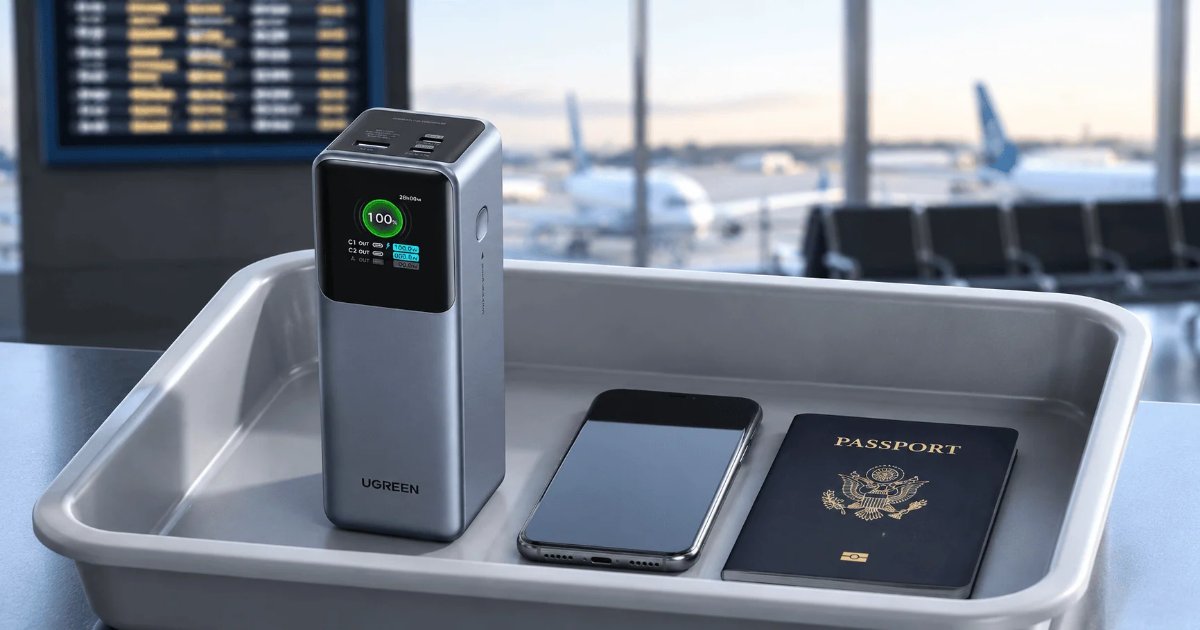
Power Bank Flight Calculator
Convert mAh to Wh in seconds and check any bank against the 100Wh limit.
Travel Tech
The rest of the gear we rate for a trip, from cables to compact chargers.