Review · Power banks · PB200
CUKTECH 15 SE (PB200) Review: Practical 20,000mAh Power Bank or Marketing Mess?
The same CUKTECH power bank is sold as 65W, 85W and 100W depending on where you look. This review settles which number you can plan around.

Scored against independent measured testing
SmartGadgetKit is reader-supported. We may earn a commission if you buy through links on this page, at no extra cost to you. We only recommend gear we would carry ourselves.
Expert Score
A capable 20,000mAh bank for mixed-device travel days, let down by a wattage story its own maker cannot keep straight.
Pros
- Three ports, so a phone, a tablet and a light laptop share one pack
- Broad protocol support, with PD, PPS, QC, FCP and SCP confirmed by Chongdiantou
- 65W input, which shortens the recharge on a bank this size
- Around 72Wh, comfortably under the common 100Wh cabin threshold
Cons
- Sold as 65W, 85W and 100W across different listings for one product
- About 490g, which is bag weight rather than pocket weight
- No built-in cable, so you carry your own
Key takeaways
Six numbers that decide whether this is your travel power bank
Quick specs
The paper numbers for the CUKTECH 15 SE (PB200)
| Model | PB200 |
| Capacity | 20,000mAh, about 72Wh |
| Ports | 2 x USB-C, 1 x USB-A |
| Output class | 65W, with a 67W and 33W port split |
| Input | Up to 65W over USB-C |
| Weight | About 490g |
Specs confirmed against the CUKTECH and Amazon listings for PB200. Performance figures come from independent testing by Chongdiantou and Mostly Melbourne. See how we test and score.
First impressions
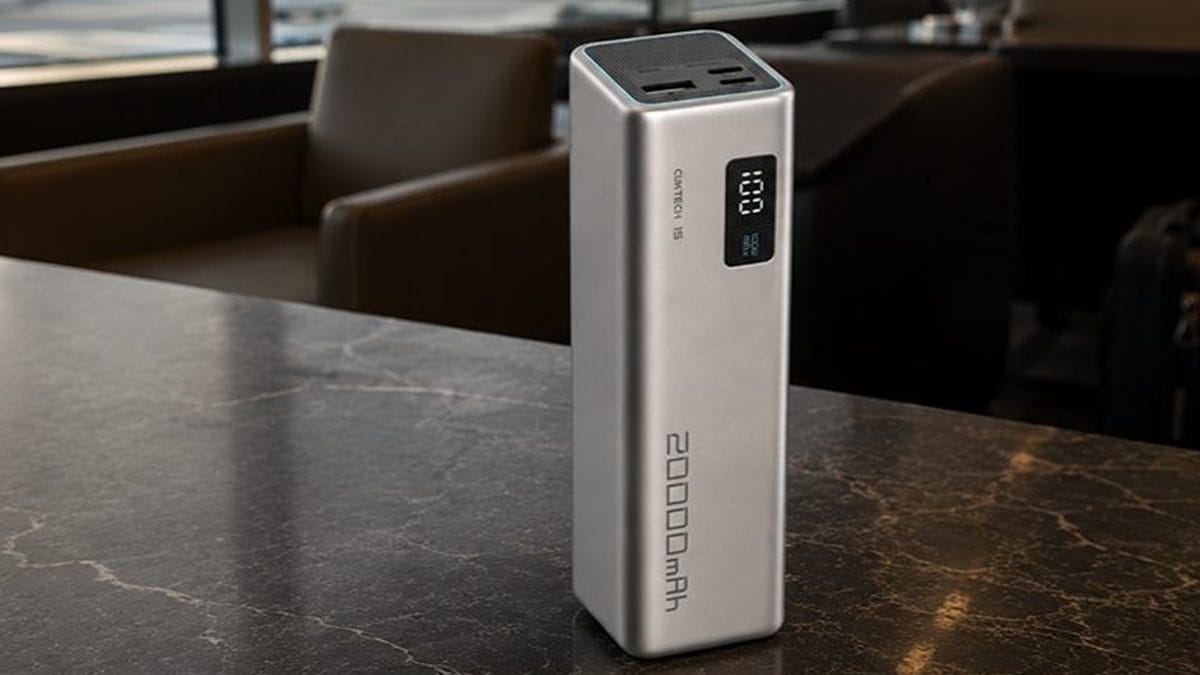
It reads as a solid metal column rather than a slab. Stood on end it takes up about the footprint of a tall coffee cup, which suits a bag pocket better than it suits a jacket.
The finish is plain brushed silver with the capacity printed down one face. Chongdiantou’s teardown coverage describes a conventional cylindrical-cell build behind that casing, which is what you would expect at this output class.
A small digital display sits on the front and reports remaining charge as a percentage. That single feature is the clearest signal of where this sits in the range: above the blind commuter packs, below the models that report per-port wattage.
Design and build
A cylindrical-cell bank in an upright metal shell
The 15 SE is built around cylindrical cells in an upright metal shell, which is the arrangement Chongdiantou found on teardown and the reason the pack is tall rather than flat.
Port layout is worth learning before you buy. The first USB-C port is the fast one, carrying both the 65W input and the higher output ceiling. The second USB-C port and the USB-A port share the lower tier at up to 33W each.
CUKTECH specifies the usual protection suite for the pack: over-current, over-voltage, over-temperature and short-circuit protection. Those are manufacturer figures, not something we have confirmed ourselves.
 Darleene asks
“If it says 20,000mAh on the side, why does everyone keep talking about watts? Are they not the same thing?”
Alisdair’s answer: They are two different things, and you need both.
Capacity in mAh is how much is in the tank. Watts are how fast it pours. A big tank with a narrow spout will keep your phone alive all weekend and still take hours to put anything useful into a laptop.
For this pack, the tank is large and the spout is middling. That combination suits someone charging a phone, earbuds and a tablet across a day, and it suits a light laptop at a push.
You can ignore the watts entirely if you only ever charge a phone. At that point any of these packs will outlast your day, and the number on the box is marketing aimed at somebody else.
Independent testing
Charging speed and the wattage question
The same pack is sold with three different wattages. This section untangles which one matters.
The headline claim does not hold as one number, because there is no single number. The Amazon listing sells this as 65W. CUKTECH’s own shop page presents the same PB200 as 85W. Some measurement-led coverage treats it as a 100W product by adding the 67W and 33W port ceilings together.
All three describe the same hardware. The 65W figure is the one to plan around, because it is what a single device draws from the fast port in normal use, and it is the figure the retail listing commits to.
Protocol support is the stronger part of the story. Chongdiantou’s protocol checks confirm PD, PPS, QC, FCP and SCP on the pack, which is a broad spread for this class and explains why it behaves sensibly across mixed phone brands.
Against the class, 65W is mid-table for a 20,000mAh laptop power bank. Rivals at this capacity reach 100W and above on a single port, and those are the packs to look at if a laptop is the main job rather than an occasional one.
CUKTECH’s own listing puts the recharge at about 1 hour 40 minutes from a 65W PD adapter, which is a manufacturer figure rather than a measured one.
Multi-port behaviour and recharging
Filling all three ports splits the available output rather than multiplying it. The fast USB-C port gives up its ceiling once the other two are working, which is normal for the class and worth knowing before you plan a three-device charge.
Recharging is the quiet strength. The same 65W input means the pack refills from a decent wall charger far quicker than the 18W and 30W inputs still common on packs this size.
The percentage display removes the usual guesswork of four unlabelled dots. It reports the pack’s own state rather than what any port is delivering, so it answers “will this last the day” and not “why is my laptop charging slowly”.
Portability and travel use
At about 490g this lives in a backpack, tote or messenger bag. Chongdiantou measured 489g to 491g, and that is half a bag of sugar sitting in the same pocket as your laptop charger.
What the weight buys is the capacity and the port count. A lighter pack in this range gives up either the third port or a chunk of the battery, so the mass is a trade rather than a flaw.
The upright shape helps more than the spec sheet suggests. It stands in a bag’s bottle pocket and slides down the spine of a backpack, where a wide flat pack has to lie across the base.
Divide capacity by weight and you get about 41mAh per gram. Our guide range for a high-output 20,000mAh pack is 40 to 50, so this sits at the bottom of typical rather than outside it.
Can you take it on a plane?
At about 72Wh the pack sits under the 100Wh figure most airlines use as the line for cabin baggage without prior approval. Sources differ slightly between 72Wh and 73.44Wh, and either way it clears the threshold with room to spare.
It must go in the cabin, never checked baggage. Always confirm with your airline before you fly.
Full rules are in our can you take a power bank on a plane? guide. Check any capacity in seconds with our mAh to Wh calculator.
Specifications
Every figure, with its source attached
Manufacturer figures are specifications or claims. Measured figures belong to the independent outlet named beside them. Nothing on this page was measured by SmartGadgetKit.
| Specification | Figure | Source |
|---|---|---|
| Product name | CUKTECH 15 SE | CUKTECH |
| Model number | PB200 | CUKTECH |
| Capacity | 20,000mAh | CUKTECH, Amazon |
| Energy | 72Wh to 73.44Wh depending on source | Chongdiantou |
| Ports | 2 x USB-C, 1 x USB-A | CUKTECH, Amazon |
| USB-C1 input | Up to 65W | CUKTECH, Amazon |
| USB-C1 output | Up to 67W | CUKTECH, Amazon |
| USB-C2 output | Up to 33W | CUKTECH, Amazon |
| USB-A output | Up to 33W | CUKTECH, Amazon |
| Protocols | PD, PPS, QC, FCP, SCP | Chongdiantou |
| Weight | 489g to 491g | Chongdiantou |
| Dimensions | About 152 x 52 x 44 mm | CUKTECH, Amazon |
| Safety | Fire-resistant shell with a nine-layer protection system | CUKTECH |
| Certifications | UL, CE, CB and FCC | CUKTECH |
| In the box | Power bank, USB-C cable, documentation | CUKTECH, Amazon |
Sources: the CUKTECH product listing for PB200 and the Amazon listing for capacity, port ceilings, safety and certification; independent testing by Chongdiantou and Mostly Melbourne, with the Chongdiantou teardown behind the internal detail.
CUKTECH specifies cylindrical cells and a metal shell, and the teardown coverage is consistent with that. Cell branding is not something we can confirm from listings alone.
Confirm the exact certification marks on the unit and packaging when yours arrives.
If the numbers already make the case for you, the current Amazon listing is one tap away.
amazonCheck latest priceScoring
Why we scored it 7.5 out of 10
Built from four sub-scores on our current rubric.
Value for Money scores highest at 8.5. Charging Speed and Port & Cable Design both land at 7.5. Carry Rating pulls the average down at 6.5. The weakest part of the product is not in the rubric at all: a pack sold as three different wattages by three different sources costs the buyer time and trust before they even open the box.
The verdict
The CUKTECH 15 SE does the mixed-device travel day well, with three ports, a broad protocol spread confirmed by Chongdiantou, and a 65W input that keeps the recharge sensible.
You pay for that in mass and in clarity. About 490g is bag weight, and you have to work out for yourself which of the three advertised wattages describes the pack in front of you.
For a traveler who carries a phone, a tablet and a light USB-C laptop in the same bag, this is an easy shortlist entry once the marketing noise is set aside.
The mixed-device travel day is the job it does properly, and it is the only job worth buying it for.
amazonCheck latest priceShould you buy it?
Where it wins, and where it costs you
Buy it if
- You travel with a phone, a tablet and a light USB-C laptop and want one pack for all three
- Your charging gear lives in a backpack or work bag rather than a pocket
- You want a pack that refills quickly at the end of a long day
- You charge across mixed phone brands and want broad protocol support
Do not buy it if
- You want true pocket carry, where 490g is too much
- A laptop is the main job and you need 100W or more from one port
- You want a settled, single-number spec you can quote without checking
- You would rather not carry a separate cable
Buy it if a mixed-device travel day is your normal, skip it if a phone is the whole job.
amazonCheck latest priceHow it compares
The two products a reader is most likely weighing against it
| CUKTECH 15 SE | CUKTECH 15 Ultra | Baseus EnerGeek 12 | |
|---|---|---|---|
| Capacity | 20,000mAh | 20,000mAh | 20,000mAh |
| Output class | 65W | 165W | 100W class |
| Ports | 3 | 3 | 3 |
| Best for | Mixed-device travel days on a budget | Laptop-first charging with headroom | Buyers wanting one settled wattage figure |
The 15 Ultra is the sibling most often confused with this pack, and it is a different product rather than a variant. Choose it if a laptop is the main job. The Baseus EnerGeek 12 comes up repeatedly in community comparisons against the 15 SE; that is community evidence rather than measured testing, and results vary.
If this one is not the fit
Three alternatives, three different readers
Anker A1695
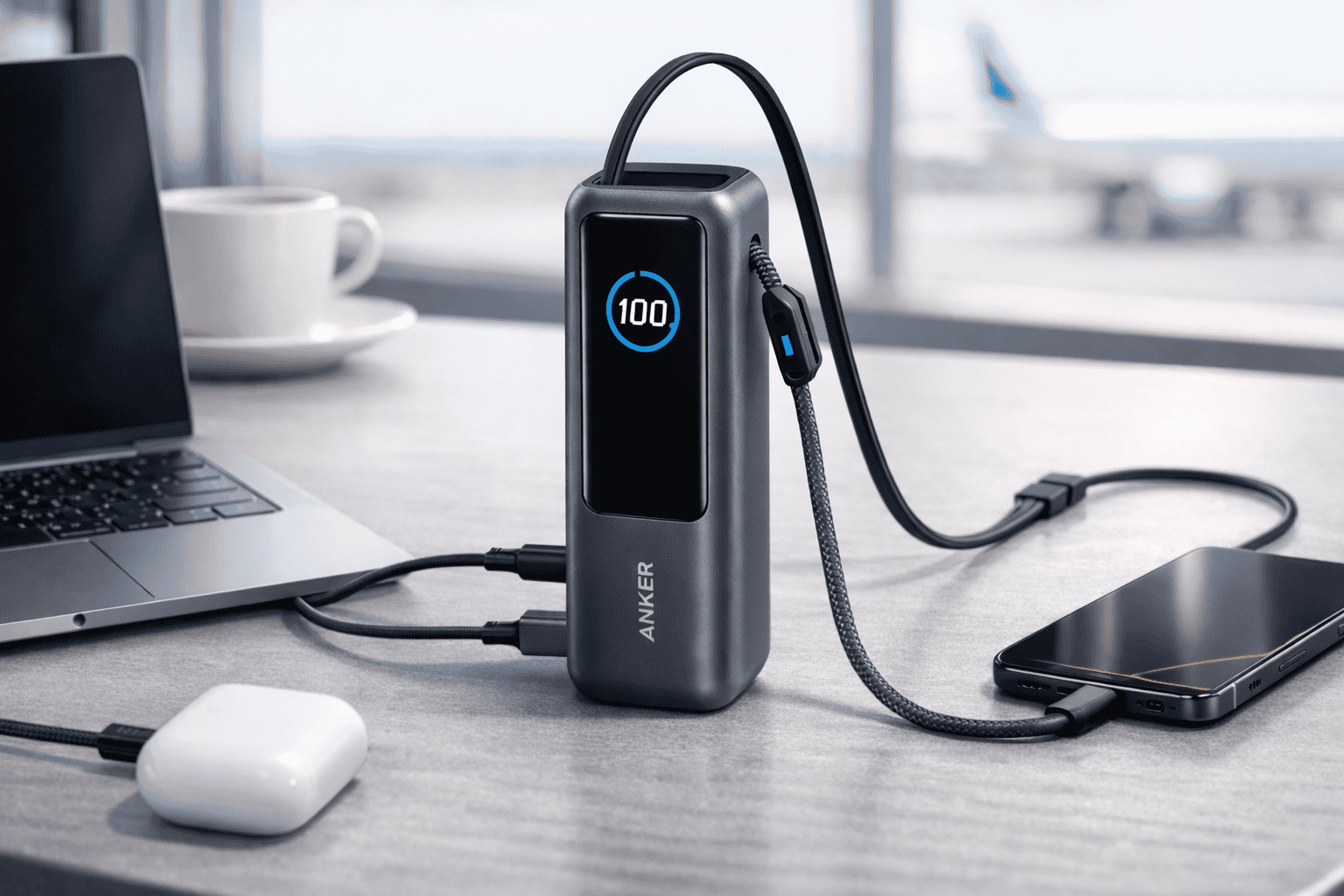
Built for laptop-first charging at 165W with two built-in cables. Heavier and pricier, and the obvious step up if 65W is the thing holding you back.
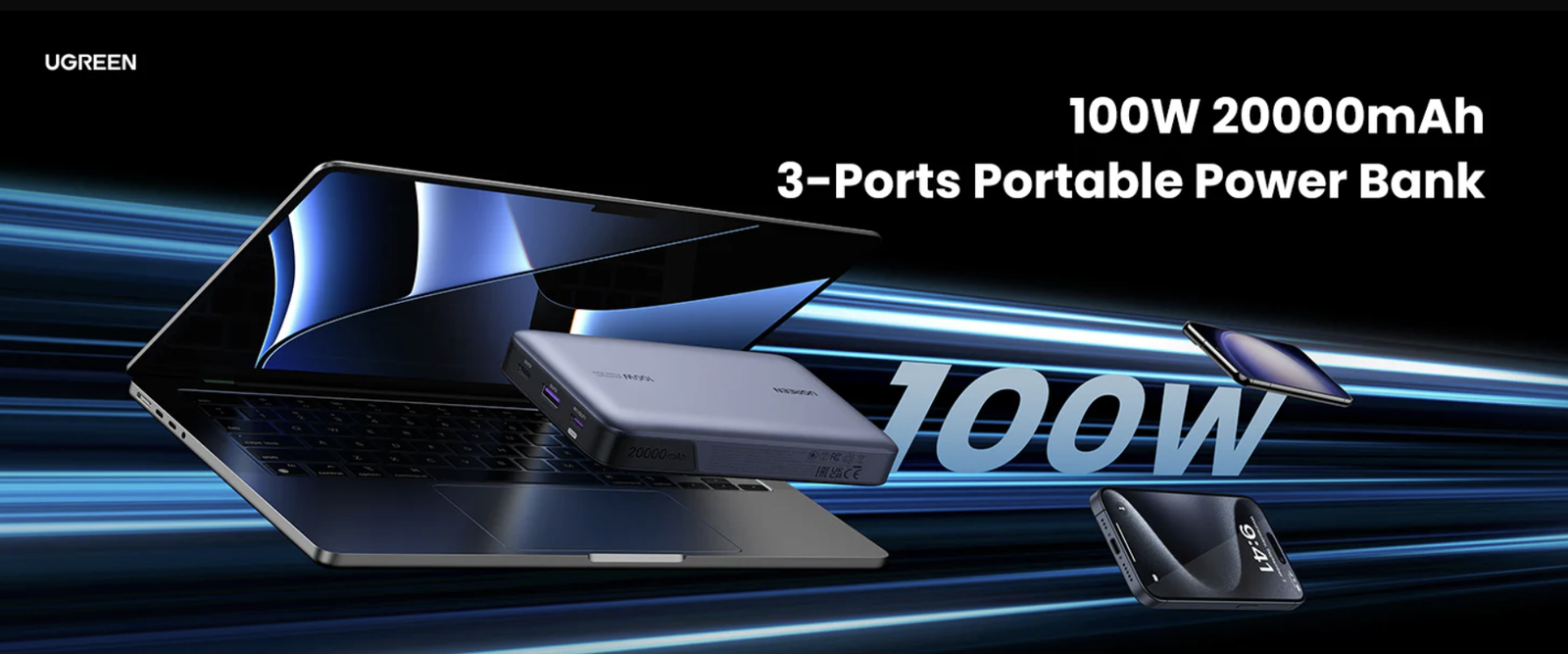
UGREEN Nexode 100W
The same 20,000mAh class with one settled output figure and no naming confusion. Pick it if the ambiguity here is what puts you off.

Anker Nano 10K
Half the capacity and a fraction of the weight, for anyone who wanted pocket carry and found 490g too much to take.
FAQ
Questions readers ask
Is the CUKTECH 15 SE good for travel?
Yes, travel is its strongest use case. The capacity, the three-port layout and the 65W input all suit a long day across several devices better than a small emergency charger. At about 72Wh it also sits under the common 100Wh cabin limit, though airline rules vary.
Can the CUKTECH 15 SE charge a laptop?
Yes, for lighter USB-C laptops in the 65W class. It will keep a thin-and-light topped up on a work session. It is not the right pack for a power-hungry laptop that wants 100W or more from a single port.
Why do some places call it 65W, 85W, or 100W?
Because the marketing is inconsistent across sources for one product. Amazon commits to 65W, CUKTECH’s own shop page says 85W, and some coverage adds the 67W and 33W port ceilings to reach 100W. Plan around 65W, which is what one device draws from the fast port.
Is the CUKTECH 15 SE too heavy for everyday carry?
For pocket carry, yes for most people. For bag carry, no. At about 490g measured by Chongdiantou, it belongs in a backpack, tote or messenger bag rather than a jacket.
Can you take the CUKTECH 15 SE on a plane?
It is typically within the common under-100Wh cabin allowance, but airline rules vary and power banks should stay in hand luggage rather than checked bags. Check any capacity in seconds with our mAh to Wh calculator.
What is the difference between the CUKTECH 15 SE and the 15 Ultra?
They are separate products, not variants of one. The 15 Ultra is the higher-output model built around laptop-first charging, while the 15 SE targets mixed-device use at a lower output class. There is also a separate CUKTECH 15 at 150W, which adds to the confusion. Look for CUKTECH PB200 in the listing to confirm you have the SE.
Is CUKTECH a good brand?
The hardware holds up to independent scrutiny: Chongdiantou’s teardown and protocol checks found a conventional cylindrical-cell build with broad PD, PPS, QC, FCP and SCP support. The weak point is presentation rather than engineering, since the same pack is advertised at three different wattages.
Is this better than a basic 10,000mAh power bank?
For longer days and mixed devices, yes. It is heavier, but it carries twice the battery and adds a third port. If you only need an emergency phone top-up, a lighter 10,000mAh pack is still the better buy.
Does it support PPS?
Yes, PPS appears in Chongdiantou’s protocol checks alongside PD, QC, FCP and SCP. Exact behaviour still depends on your device and cable, so treat it as broad support rather than a promise about any one phone.
Final word
A sensible travel pack with a wattage question attached
The CUKTECH 15 SE is a sensible 20,000mAh travel pack with three ports, broad protocol support confirmed by Chongdiantou, and a 65W input that keeps the recharge short.
Shortlist it if you carry a bag rather than a pocket and charge more than one device a day. See how we test, or see where it ranks against the rest in our best 20,000mAh power banks roundup.
Keep reading
Browse all our power bank guides and reviews.
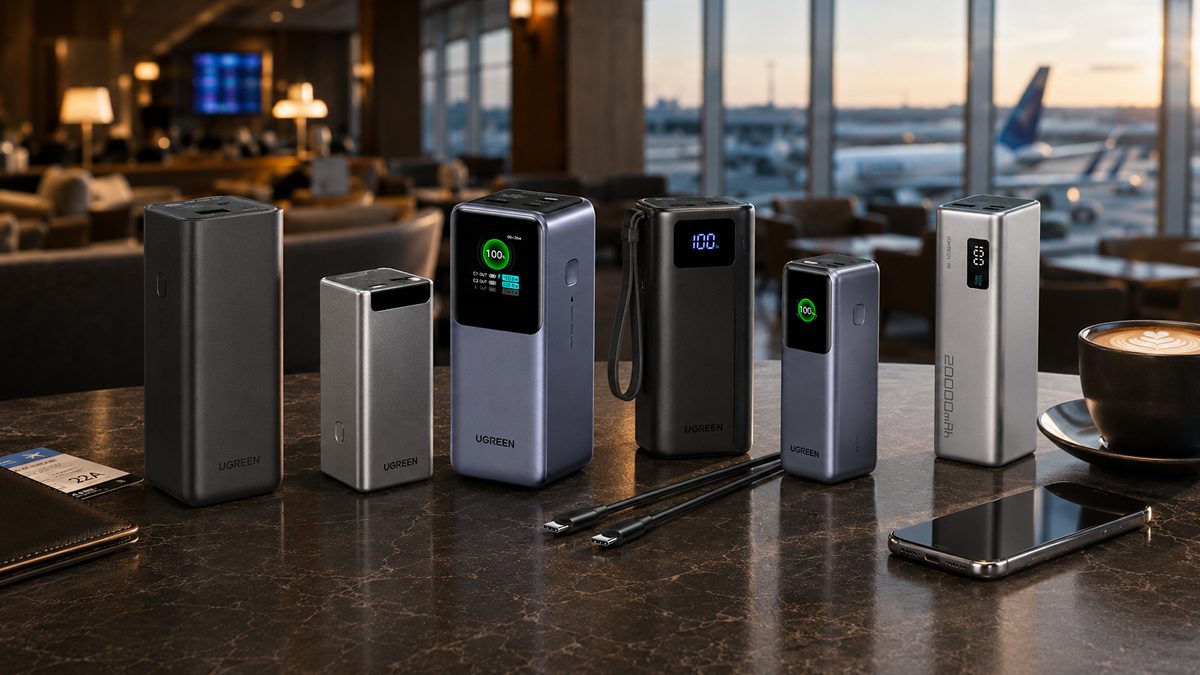
Best 20,000mAh power banks
Where this pack ranks against the rest of the 20,000mAh class.
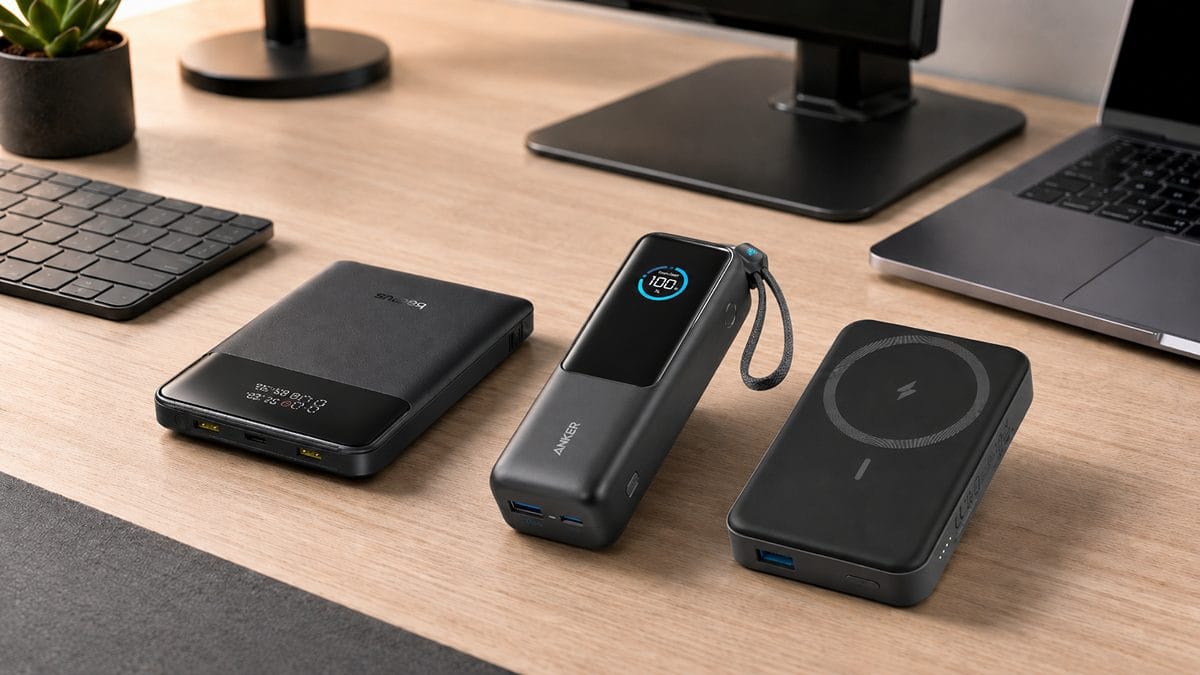
How to choose a power bank
The buying guide that starts from your job rather than the spec sheet.
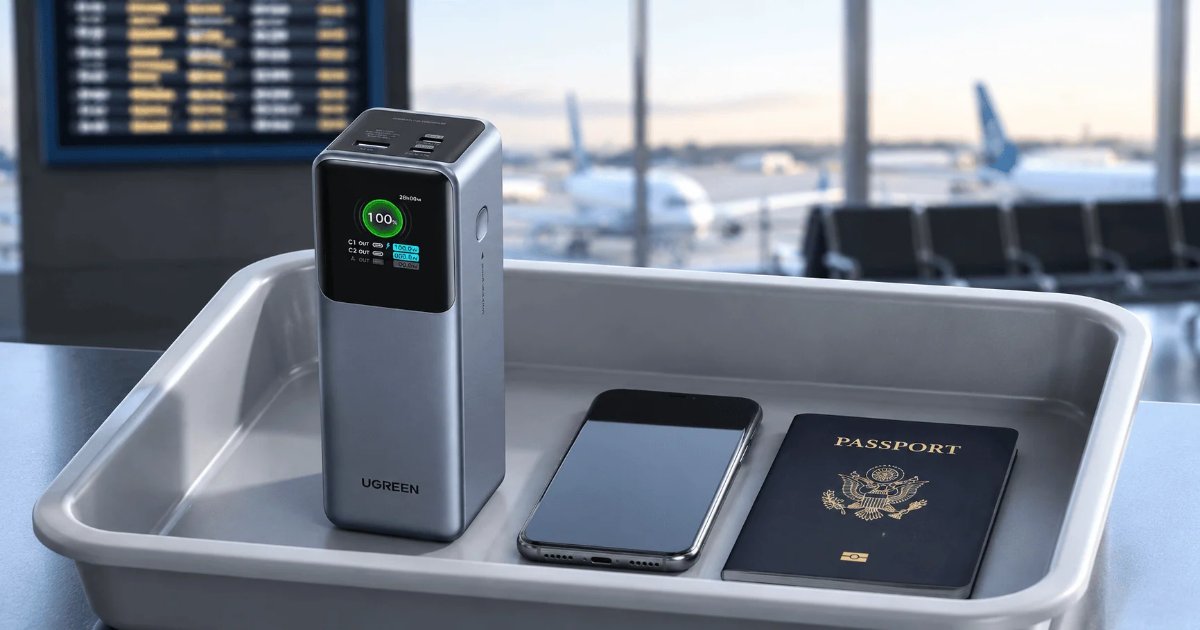
mAh to Wh calculator
Check any power bank capacity against airline limits in seconds.
Anker 737. Still the 140W benchmark?
The pack that set the 140W bar, and whether it still holds up today.

Best Power Banks 2026
The wider roundup across every size, from pocket 10,000mAh banks to 300W laptop packs.
Can you take a power bank on a plane?
The 2026 airline rules: watt-hour limits, how many you may carry, and in-flight use.
Latest from SmartGadgetKit
 Lithium Ion Battery Fire Statistics 2026
 LISEN Power Bank Review: The Qi2.2 25W MagSafe 10000mAh, Measured
 How Long Does a Power Bank Last? Charges, Years and Sizing
 Anker Prime 250W Charger Review: 6-Port Desktop Hub
 Anker Prime 300W Power Bank Review: Two Laptops, One Socket-Free Table
 Jackery Explorer 2000 v2 Review: The Lightest Way to Carry 2kWh?
 EcoFlow DELTA 3 Max Plus Review: What 2,048Wh Really Gives You
 BLUETTI AC70 Review: What 2,000W Power Lifting Is Worth
Tested by people who know what the numbers mean
SmartGadgetKit checks every spec against the manufacturer and independent sources, and tells you the trade-offs, not only the wins. Independent testing for this page comes from Chongdiantou and Mostly Melbourne, credited where each figure appears.