

Portable power stations
Rated, not guessed.
Portable power stations sit between a power bank and a generator: quiet, fume-free and big enough to run a fridge, a CPAP machine or a full set of tools. We score every LiFePO4 unit on real AC output, charge speed and what it actually weighs when you carry it, with every hard figure credited to a named independent source.
Affiliate disclosure: If you buy through links on this site we may earn a commission, at no extra cost to you. Commissions fund the kit we buy. Read the full disclosure.
SmartGadgetKit rates portable power stations for people who need power that works when wall power does not, not a spec sheet rewritten. We cover LiFePO4 stations from 286Wh compact backup units to a 2,765Wh whole-home source, and the plain-English guidance around them: what watt-hours actually buy you, why AC output sets the ceiling, and when a power bank is the smarter carry.
We do not run a power-station test lab, and we will never pretend we did. Every verdict combines hands-on use by the SGK team with independent measurements from named sources, scored against one published rubric, and we flag anything not yet independently verified. The best portable power station roundup is free to read, with no sign-up.

Every station figure gets re-checked against independent lab data and stock before a refresh goes out.

“I am the one asking whether it keeps the fridge cold and the phones charged through a power cut, not just what the box says.”
What do you need to power?
Jump to the review or guide for your job. Each one names a rated pick and the trade-offs that matter.
Power cut backup
A compact station that charges in an hour and keeps lights, a router and phone chargers running through a blackout.
Camping and van life
1,070Wh in about 11kg, with enough output for a cool box, lights and chargers across a weekend.
Serious off-grid
2,048Wh and 3,000W of output for fridges, power tools and full-size devices, with a 47 minute charge to 80%.
Whole-home backup
2,765Wh and 3,840W, the largest station we have reviewed, built for grid-level home backup.
The fastest recharge
Independently timed at 49 minutes from flat to full on UltraFast mode, with 2,000W of output.
Every pick, ranked
Seven stations sorted by job, scored on one rubric, with every figure attributed to a named source.
Find your best power station.
Pick the job, compare the shortlist, then see which station wins and who should ignore it. No brand spoilers here.
Best portable power stations
Seven LiFePO4 stations ranked by job, from compact emergency backup to whole-home power.
Explore the ranked picks CAPACITY · OUTPUT · WEIGHTEcoFlow RIVER 3 Plus
The lightest station we have reviewed, with a one-hour wall charge. A good first station.
Read the review BACKUP · UPS · LIGHTWEIGHTEcoFlow DELTA 3 Max Plus
Serious off-grid output for fridges, tools and full-size devices, with a 47 minute charge to 80%.
Read the review 2KWH · FAST CHARGE · HOMEWatt-hours decide how long, not how much.
A 1,000Wh station stores enough energy to run a 100W device for about 10 hours, though real runtime is slightly less after inverter losses. We state capacity in watt-hours, never milliamp-hours, and credit independent measurements where they exist.
AC output sets the ceiling on what you can plug in.
A 600W station runs lights, chargers and a small TV. You need 1,500W or more for a kettle, a microwave or power tools. If an appliance draws more than the continuous rating, it will not run, whatever the surge figure on the box says.
More capacity means more weight.
A 286Wh station weighs under 5kg; a 2,000Wh unit is closer to 20kg. Decide where the station will live before you shop: a van, a shed and a campsite have very different carrying requirements.
Seven stations,
ranked by capacity.
Every station we have reviewed, sorted by capacity, largest first. Capacities and output ratings are manufacturer-stated, cross-checked against independent testing in each review.
Read the full rankingAll seven stations use LiFePO4 battery chemistry. Capacities and output ratings are manufacturer-stated; independent test results are in each review.
Three rules. No exceptions.
SmartGadgetKit reviews power stations with hands-on use, named independent lab data and one published scoring rubric.
Independent
No sponsored reviews and no manufacturer sees a verdict before you do. Commissions never change a score.
Evidence-backed
We do not run a power-station test lab, and we will never pretend we did. Every AC output figure and charge time we quote is attributed to the named source that measured it.
Real people
A network engineer and a nurse, not a content farm. If we wouldn’t rely on it in a power cut, we won’t recommend it.
The two people behind every verdict.
One reads the lab data. One asks the questions spec sheets never answer. Both rely on the kit.
Alisdair
Network engineer, 9 years · The spec sheet whispererReads the lab data, checks it against the spec sheets, and translates watt-hours and output watts into plain English. Every best-of pick gets re-checked against stock and independent data before a refresh goes out.
All of Alisdair’s reviewsDarleene
Nurse · The everyday perspectiveLives with the kit for weeks and tells you what a spec sheet never will. “I want to know it keeps the fridge cold and the phones charged when the power goes out. Everything else is a bonus.”
Darleene’s perspectivePower station questions, answered.
The things buyers ask most about portable power stations, in plain English. Each one links to the full guide or review.
What is a portable power station?
A large rechargeable battery with AC sockets, USB ports and sometimes a car outlet. You charge it from wall power or a solar panel, then plug in appliances wherever you are.
See the ranked picksHow long will a power station run my fridge?
In practice, a 1,000Wh station keeps a standard fridge running for 8 to 12 hours. A typical home fridge draws about 100 to 150W while the compressor is running, but it cycles on and off. A 2,000Wh station stretches that to roughly a full day.
See a 2,048Wh stationWhat is the difference between a power station and a generator?
A generator burns fuel and produces power continuously. A power station stores electricity in a battery and releases it silently, with no fumes. Generators run indefinitely with fuel; stations run until the battery is empty, then need recharging from wall power, a solar panel or a car.
Compare the picksCan I use a power station indoors?
Yes. They produce no exhaust, no carbon monoxide and no noise beyond a quiet fan. That makes them safe for bedrooms, home offices and caravans, unlike gas generators which must stay outside.
See a home backup unitCan I charge one with solar?
Yes. Every station we have reviewed accepts solar input, though charge times depend on panel wattage and sunlight. A 200W panel in full sun takes about five hours for a 1,000Wh unit.
See a camping pickHow fast do they charge from a wall outlet?
It varies widely. The fastest we have reviewed, the Anker SOLIX C1000 Gen 2, charges from flat to full in 49 minutes. Larger stations like the Jackery 2000 v2 take around 1.7 hours. Most support a slower overnight mode that is gentler on the battery.
See the fastest rechargeWhat does LiFePO4 mean and why does it matter?
Lithium iron phosphate, a battery chemistry rated for 3,000 or more full charge cycles before it drops to 80% of original capacity. Older lithium batteries faded after 500 to 800 cycles. Every station we review now uses LiFePO4, so longevity is no longer the deciding factor it once was.
See the LiFePO4 picksCan I take a power station on a plane?
No. The airline cabin limit is 100Wh under the FAA’s PackSafe lithium battery rules, and the smallest station we review is 286Wh. Power stations are for road trips, camping and home use.
See the power bank airline rules guideHow do you test power stations?
Our verdicts combine hands-on testing by the SGK team with trusted independent lab data, scored against one published rubric. We do not run a power-station test lab, so every hard figure is attributed to the named source that measured it.
Read how we test and scoreThe portable power stations we have reviewed
Every portable power station review on the site, largest capacity first. The ranked roundup sits in the best-of section above.
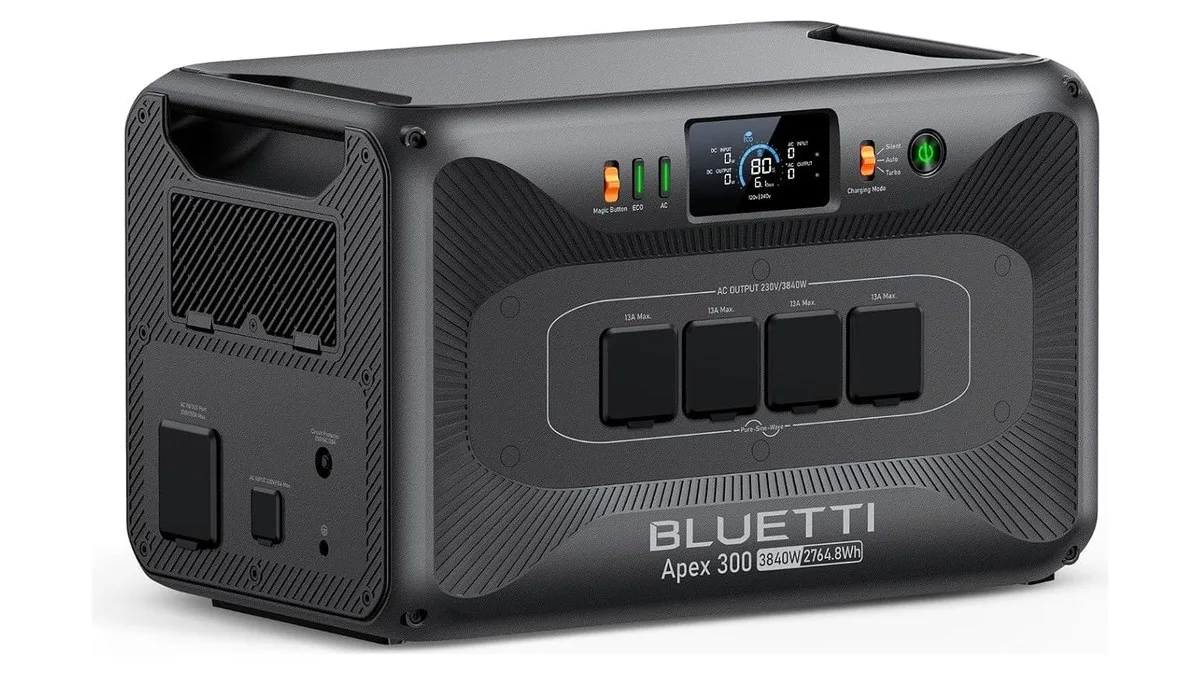
BLUETTI Apex 300 review
The largest station we have reviewed. The catch: USB and DC ports need a separate hub accessory.
Read the review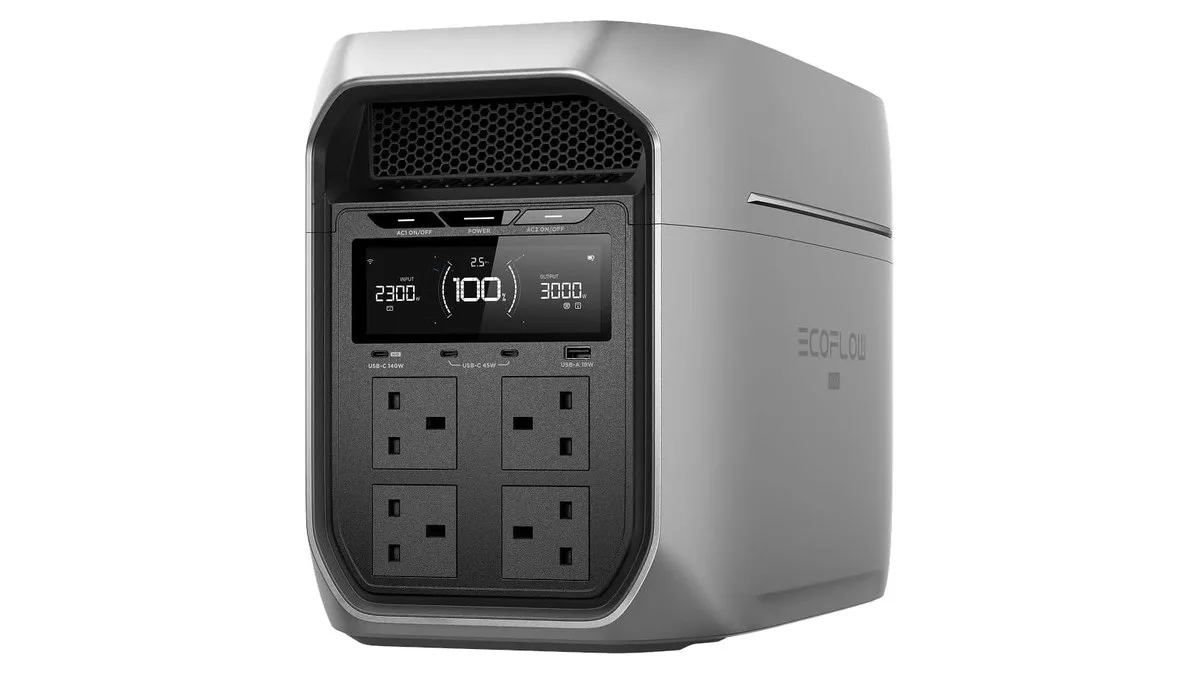
EcoFlow DELTA 3 Max Plus review
2,048Wh and 3,000W output with a 47 minute charge to 80%, confirmed by independent testing.
Read the review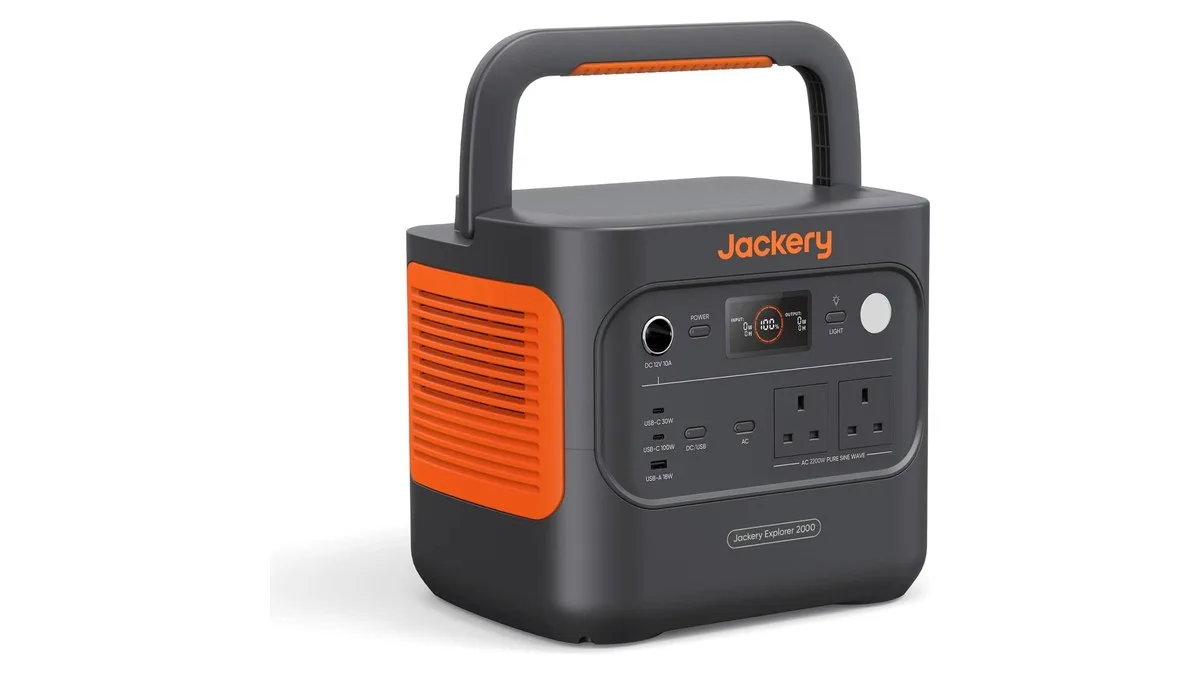
Jackery Explorer 2000 v2 review
The lightest 2kWh station you can buy, with LiFePO4 cells and a 1.7 hour wall charge.
Read the review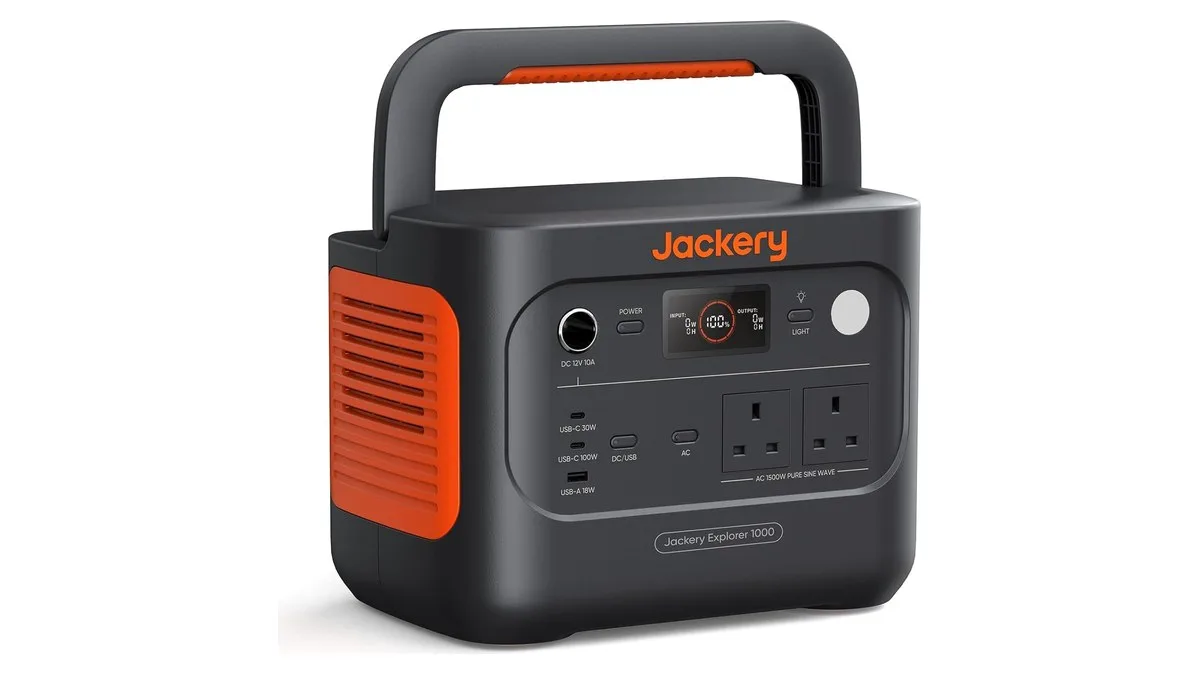
Jackery Explorer 1000 v2 review
A full 1,070Wh in about 11kg, refilled in under two hours, but it can never be expanded.
Read the review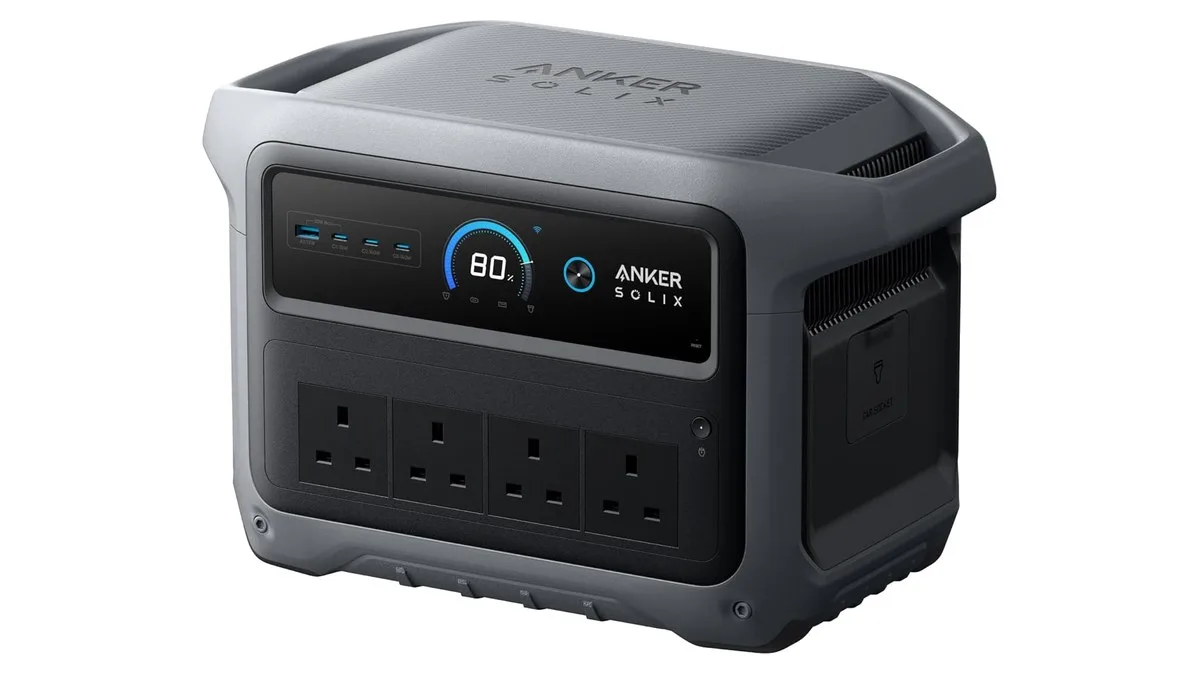
Anker SOLIX C1000 Gen 2 review
Independently timed at 49 minutes from flat to full on UltraFast mode, with one catch.
Read the review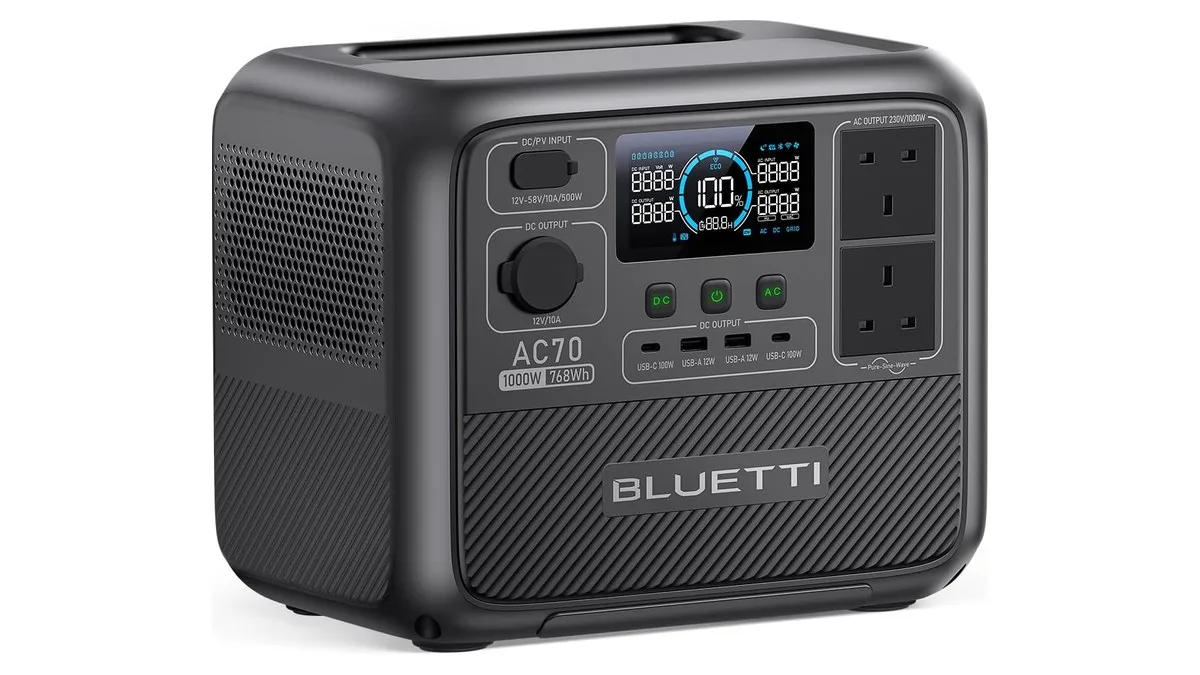
BLUETTI AC70 review
768Wh in a 10.2kg box, with a Power Lifting mode that pushes AC output to 2,000W.
Read the review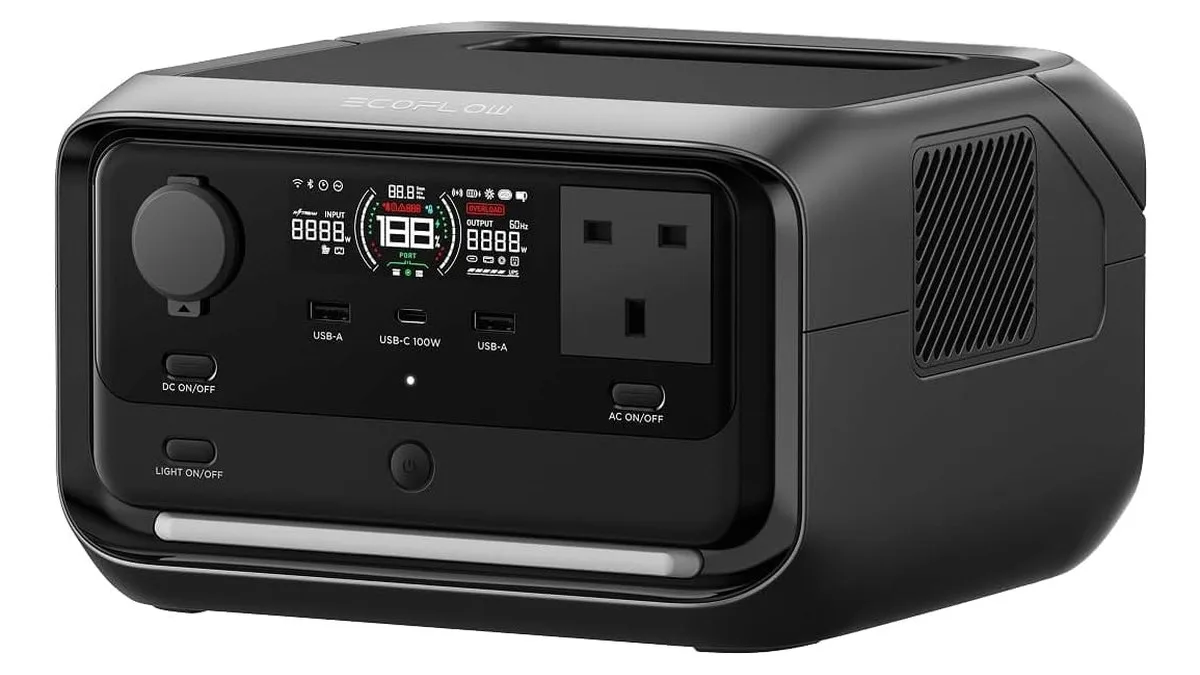
EcoFlow RIVER 3 Plus review
The smallest, lightest station we have reviewed: 286Wh in 4.7kg, with 600W continuous output and a one hour wall charge.
Read the review