Power stations
A portable power station is a battery you can plug appliances into. They sit between a power bank and a generator: quiet, no fumes, and big enough to run a fridge, a CPAP machine or a full set of tools. We score each one on real AC output, charge speed and what it actually weighs when you carry it.
 Alisdair, network engineer, 9 years
Affiliate disclosure: if you buy through links on this page we may earn a commission, at no extra cost to you.
Two pages before everything else
Best Portable Power Stations 2026
Seven LiFePO4 stations ranked by job, from compact emergency backup to serious off-grid power.
See the seven picks › The starting pointEcoFlow RIVER 3 Plus Review
The lightest station we have reviewed at 4.7kg, with 286Wh and a one-hour mains charge. A good first station.
Read the review ›Four answers in thirty seconds
What is a portable power station?
A large rechargeable battery with AC sockets, USB ports and sometimes a car outlet. You charge it from the mains or a solar panel, then plug in appliances wherever you are.
How long will one run my kit?
Divide the station’s watt-hours by your device’s wattage. A 1,000Wh station runs a 100W TV for roughly 10 hours, or a 60W laptop for about 16 hours.
Can I charge one with solar?
Yes. Every station we have reviewed accepts solar input, though charge times depend on panel wattage and sunlight. A 200W panel in full sun takes about five hours for a 1,000Wh unit.
Why does every station use LiFePO4?
Lithium iron phosphate lasts 3,000 or more charge cycles, compared to 500 to 800 for older NMC lithium. It handles heat better and is safer in enclosed spaces like a tent or van.
Reviews and roundups, newest first
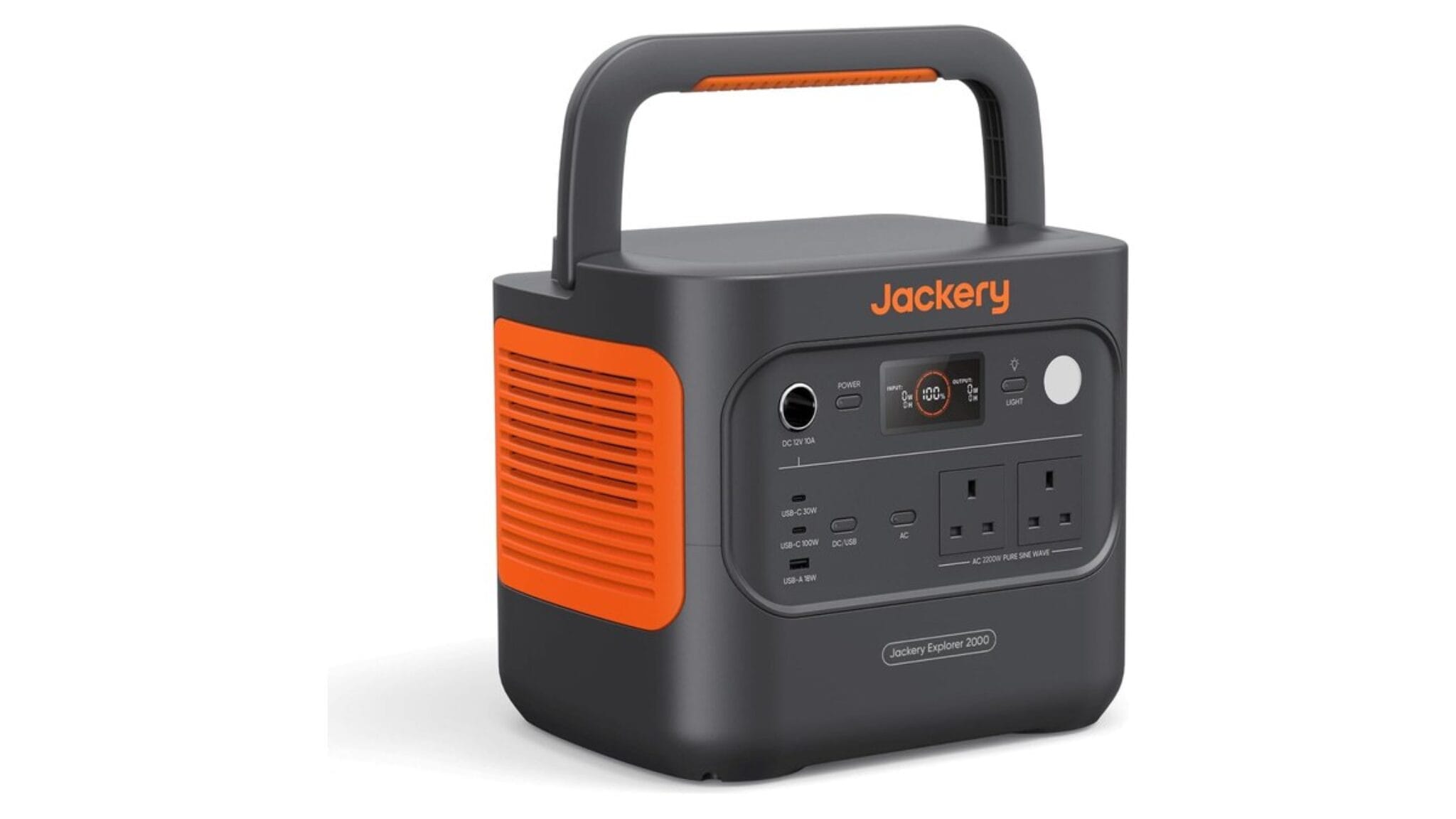
Jackery Explorer 2000 v2 Review: The Lightest 2kWh
At 17.6kg, Jackery’s 2,042Wh station is the lightest in its class. LiFePO4 cells, 2,200W output and a 1.7 hour wall charge.
Read the review ›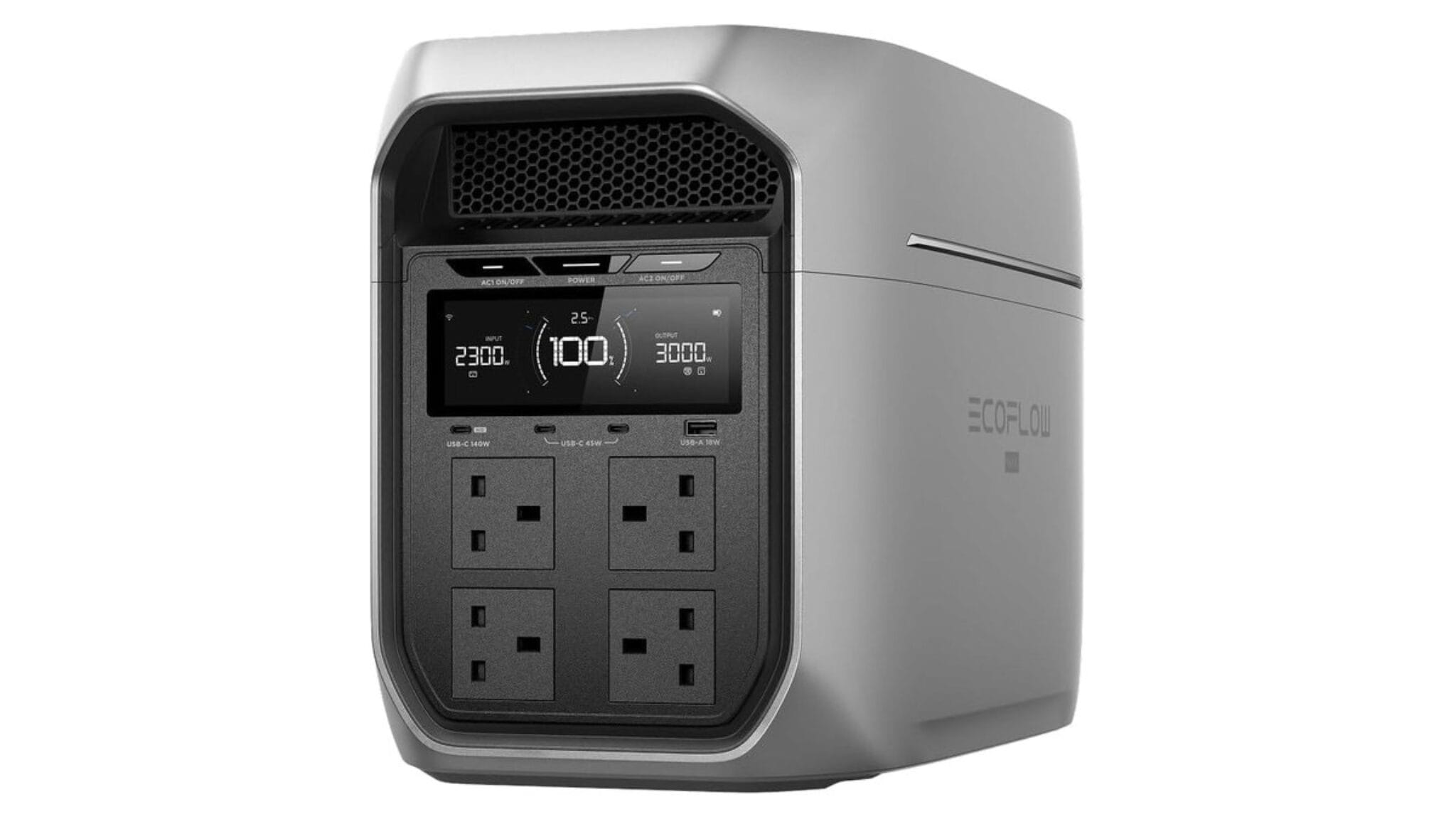
EcoFlow DELTA 3 Max Plus Review: 2,048Wh, One Catch
2,048Wh and 3,000W output with a 47 minute charge to 80%, confirmed by independent testing. The catch is the 22.1kg carry weight.
Read the review ›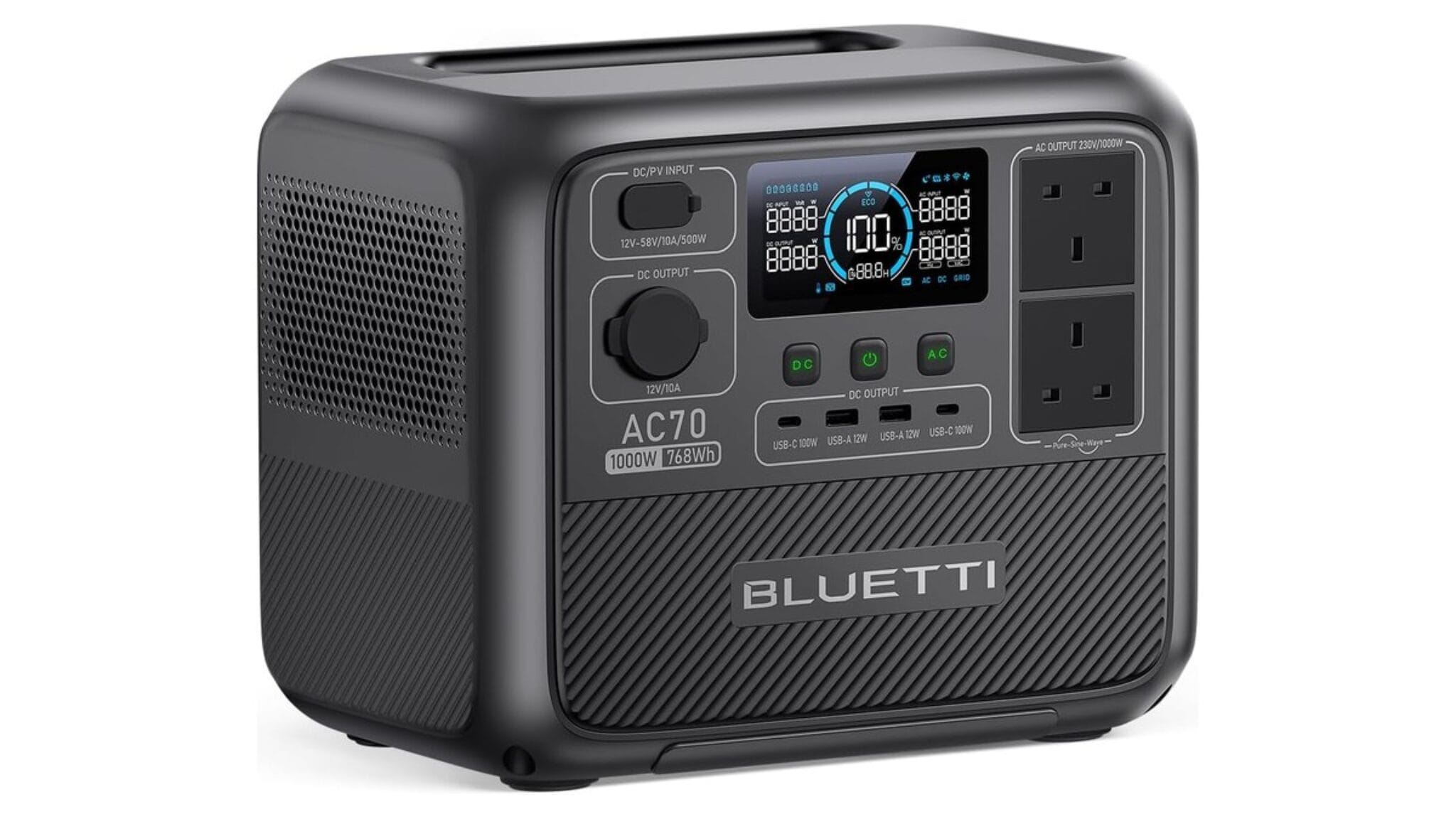
BLUETTI AC70 Review: What 2,000W Power Lifting Is Worth
768Wh in a 10.2kg box, with a Power Lifting mode that pushes AC output to 2,000W. Charges to 80% in about 45 minutes on Turbo.
Read the review ›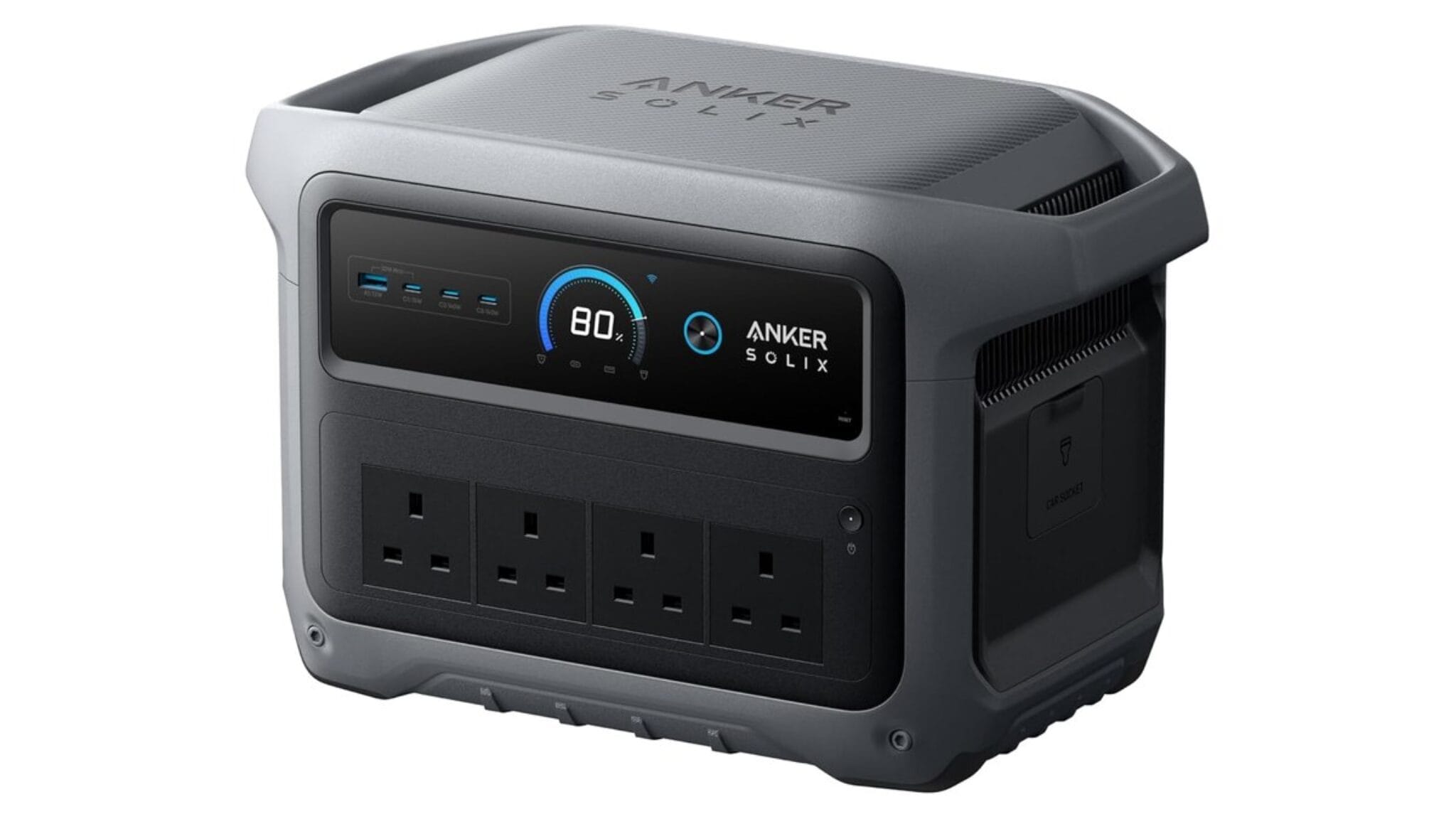
Anker SOLIX C1000 Gen 2 Review: Fast, With One Catch
1,024Wh and 2,000W output at 11.3kg. Independently timed at 49 minutes from flat to full on UltraFast mode.
Read the review ›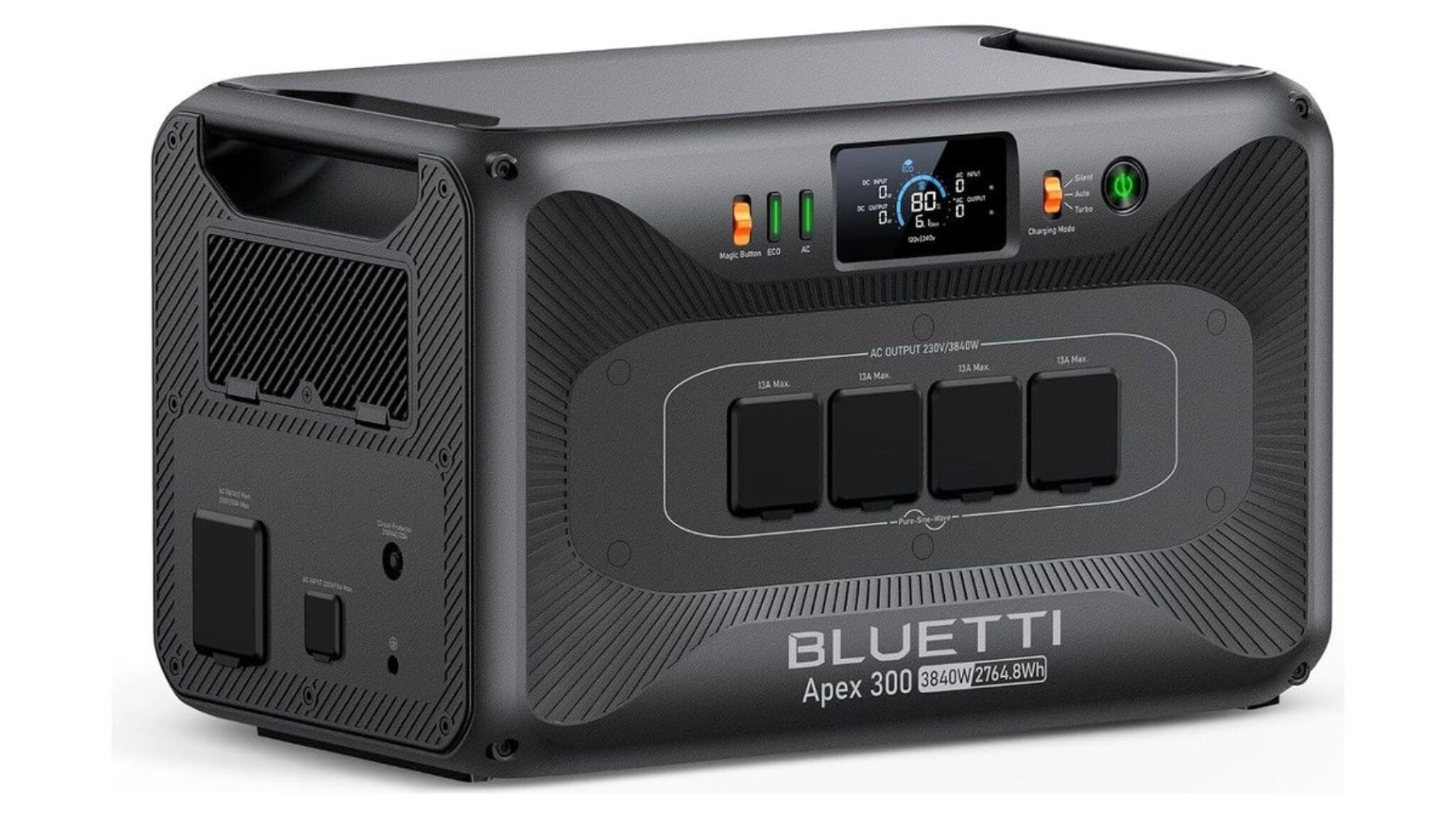
BLUETTI Apex 300 Review: 2 Essential Parts Missing
2,764Wh and 3,840W of output, the largest station we have reviewed. The catch: USB and DC ports need a separate hub accessory.
Read the review ›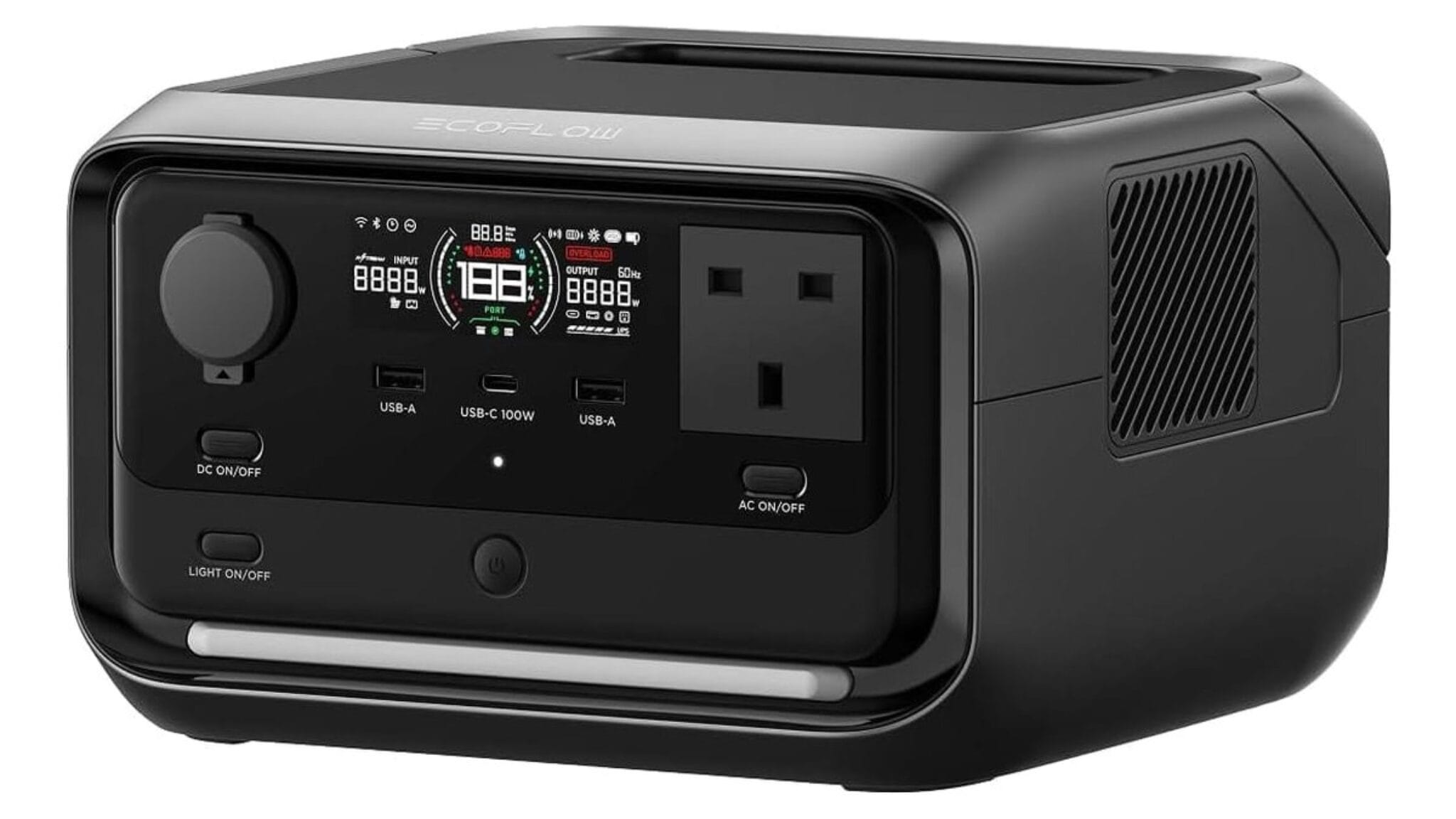
EcoFlow RIVER 3 Plus Review: Fast Backup, Real Limits
286Wh in 4.7kg, with 600W continuous output and a one hour mains charge. The smallest, lightest station we have reviewed.
Read the review ›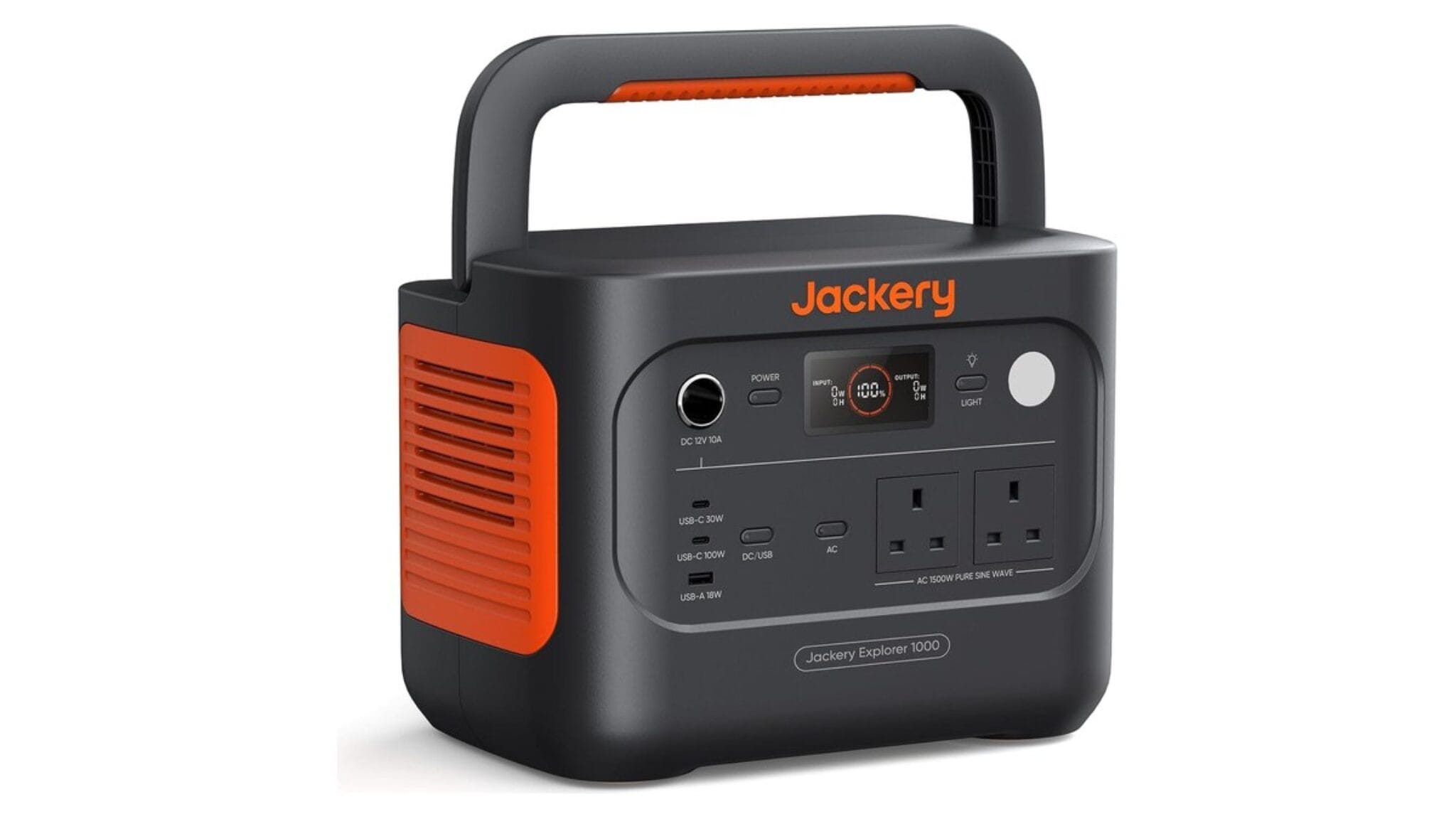
Jackery Explorer 1000 v2 Review: Fast, Light 1kWh
1,070Wh and 1,500W output at roughly 11kg. Standard wall charge takes 1.7 hours; Emergency mode cuts it to about an hour.
Read the review ›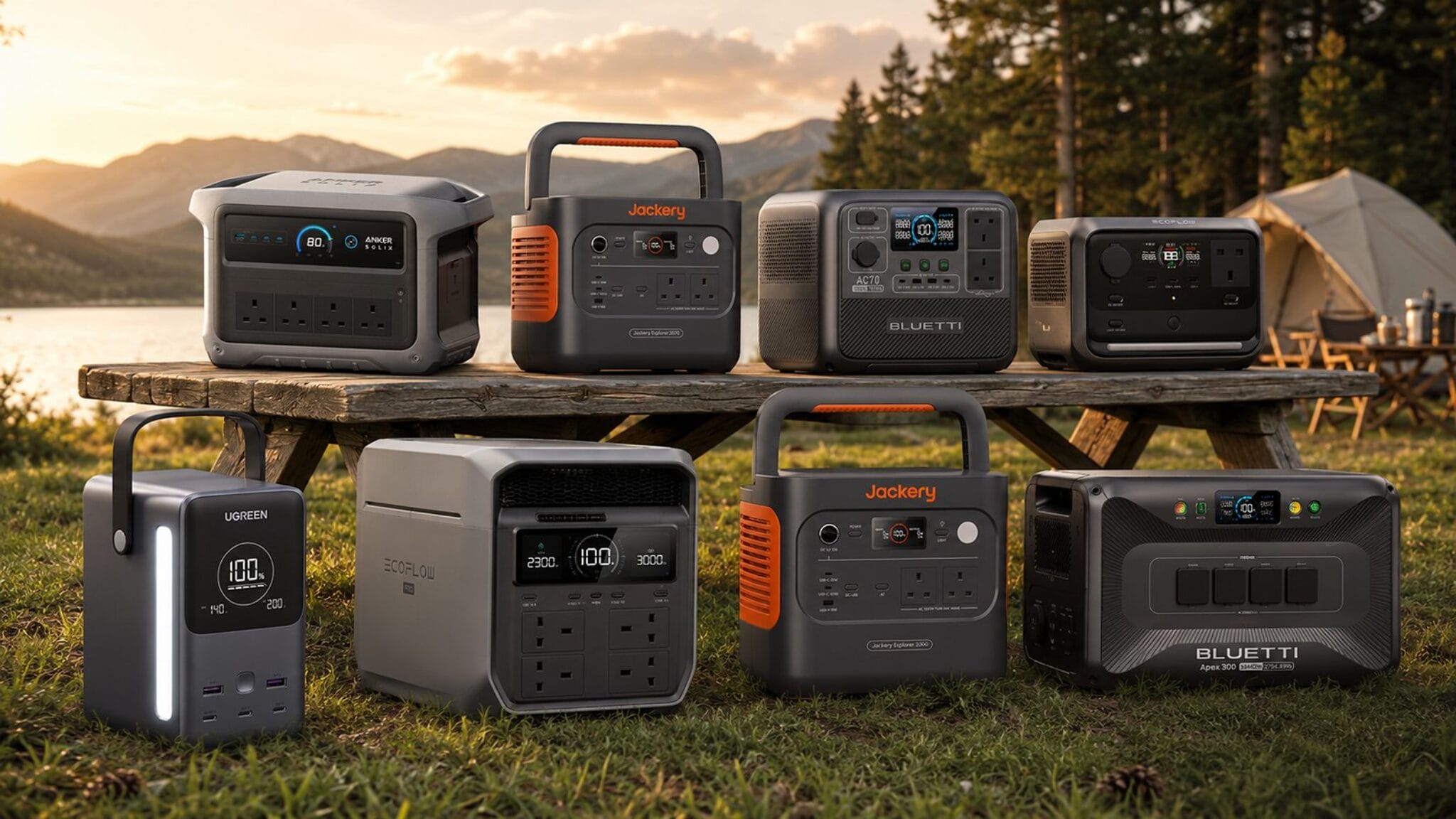
Best Portable Power Stations 2026: 7 LiFePO4 Picks Ranked
Seven LiFePO4 portable power stations ranked by job, from compact blackout backup to serious off-grid and whole-home power.
Read the roundup ›What to look for in a power station
A portable power station lives or dies on four things: how much energy it stores, how much it can push out at once, how long the battery lasts across years of use, and whether you can actually carry it.
Watt-hours, not milliamp-hours
Power stations measure capacity in watt-hours. A 1,000Wh station stores enough energy to run a 100W device for about 10 hours, though real runtime is slightly less after inverter losses.
AC output sets the ceiling
The continuous AC wattage decides what you can plug in. A 600W station runs lights, chargers and a small TV. You need 1,500W or more for a kettle, a microwave or power tools.
Why LiFePO4 is the standard now
Lithium iron phosphate cells last 3,000 or more full charge cycles before dropping to 80% of their original capacity. Older NMC lithium fades after 500 to 800 cycles. Every station we review uses LiFePO4.
The portability trade-off
More capacity means more weight. A 286Wh station weighs under 5kg; a 2,000Wh unit is closer to 20kg. Decide where it will live. A van, a shed and a campsite have very different carrying requirements.
Three quick truths
- Watt-hours tell you how long, not how much. A 1,000Wh station and a 1,000Wh station from a different brand store the same energy. The difference is in output power, charge speed and weight.
- AC output sets the ceiling on what you can plug in. If your appliance draws more watts than the station’s continuous rating, it will not run. Check the label on the device, not only the station.
- LiFePO4 changed the maths. At 3,000+ cycles, a station you charge daily lasts over eight years before it drops to 80% capacity. That makes even a higher upfront cost worthwhile.
Tell us the job, we point you to the review
I need emergency power at home
A compact station that charges in an hour and keeps lights, a router and phone chargers running through a blackout.
EcoFlow RIVER 3 Plus review › Camping and van lifeI want power off-grid
1,070Wh in about 11kg, with enough output for a cool box, lights and phone chargers across a weekend.
Jackery Explorer 1000 v2 review › Serious off-gridI need to run large appliances
2,048Wh and 3,000W of output for fridges, power tools and full-size devices, with a 47 minute charge to 80%.
EcoFlow DELTA 3 Max Plus review › Compare them allI want to see every pick ranked
Seven stations sorted by job, scored on one rubric, with every figure attributed to a named source.
Best portable power stations ›Power stations we have reviewed, compared
The key numbers side by side. Every figure is cross-checked against independent testing in each review.
All seven stations use LiFePO4 battery chemistry. Capacities and output ratings are manufacturer-stated; independent test results are in each review. Sorted by capacity, largest first.
Power station questions, answered
The things buyers ask most about portable power stations, explained in plain English.
How long will a power station run my fridge?
A typical home fridge draws about 100 to 150W while the compressor is running, but it cycles on and off. In practice, a 1,000Wh station keeps a standard fridge running for 8 to 12 hours. A 2,000Wh station stretches that to roughly a full day.
What is the difference between a power station and a generator?
A generator burns fuel and produces power continuously. A power station stores electricity in a battery and releases it silently, with no fumes. Generators run indefinitely with fuel; stations run until the battery is empty, then need recharging from the mains, a solar panel or a car.
Can I use a power station indoors?
Yes. They produce no exhaust, no carbon monoxide and no noise beyond a quiet fan. That makes them safe for bedrooms, home offices and caravans, unlike petrol generators which must stay outside.
How fast do they charge from a wall outlet?
It varies widely. The fastest we have reviewed, the Anker SOLIX C1000 Gen 2, charges from flat to full in 49 minutes. Larger stations like the Jackery 2000 v2 take around 1.7 hours. Most support a slower overnight mode that is gentler on the battery.
What does LiFePO4 mean and why does it matter?
Lithium iron phosphate, a battery chemistry rated for 3,000 or more full charge cycles before it drops to 80% of original capacity. Older lithium batteries faded after 500 to 800 cycles. Every station we review now uses LiFePO4, so longevity is no longer the deciding factor it once was.
Can I take a power station on a plane?
No. The airline cabin limit is 100Wh, and the smallest station we review is 286Wh. Power stations are for road trips, camping and home use. For flights, see our power bank airline rules guide.
How do you test power stations?
Our verdicts combine hands-on testing by the SGK team with trusted independent lab data, scored against one published rubric. The full method is on our how-we-test page.
How we choose what to recommend
We start with the specs
Manufacturer data, the exact model number and the real capacity in watt-hours, not the marketing headline.
We cross-check the labs
Independent measurements from named sources. Every AC output figure and charge time we quote is attributed to who measured it.
We weigh real owners
Verified buyer feedback to catch what spec sheets leave out: fan noise, heat buildup, app reliability and real solar input.
Every figure in our reviews is attributed to its source, and we flag anything not yet independently verified. That is how an independent site earns trust without owning every product.

Beyond power stations
Evidence first, marketing last
We do not run a power-station test lab, and we will never pretend we did. Every figure in our reviews is attributed to its source, and we flag anything not yet independently verified.
Written by AlisdairNetwork engineer, 9 years
Everyday perspective: DarleeneNurse, professional sceptic
Some links across the site are affiliate links. If you buy through one we may earn a small commission, at no extra cost to you. It never changes what we recommend.