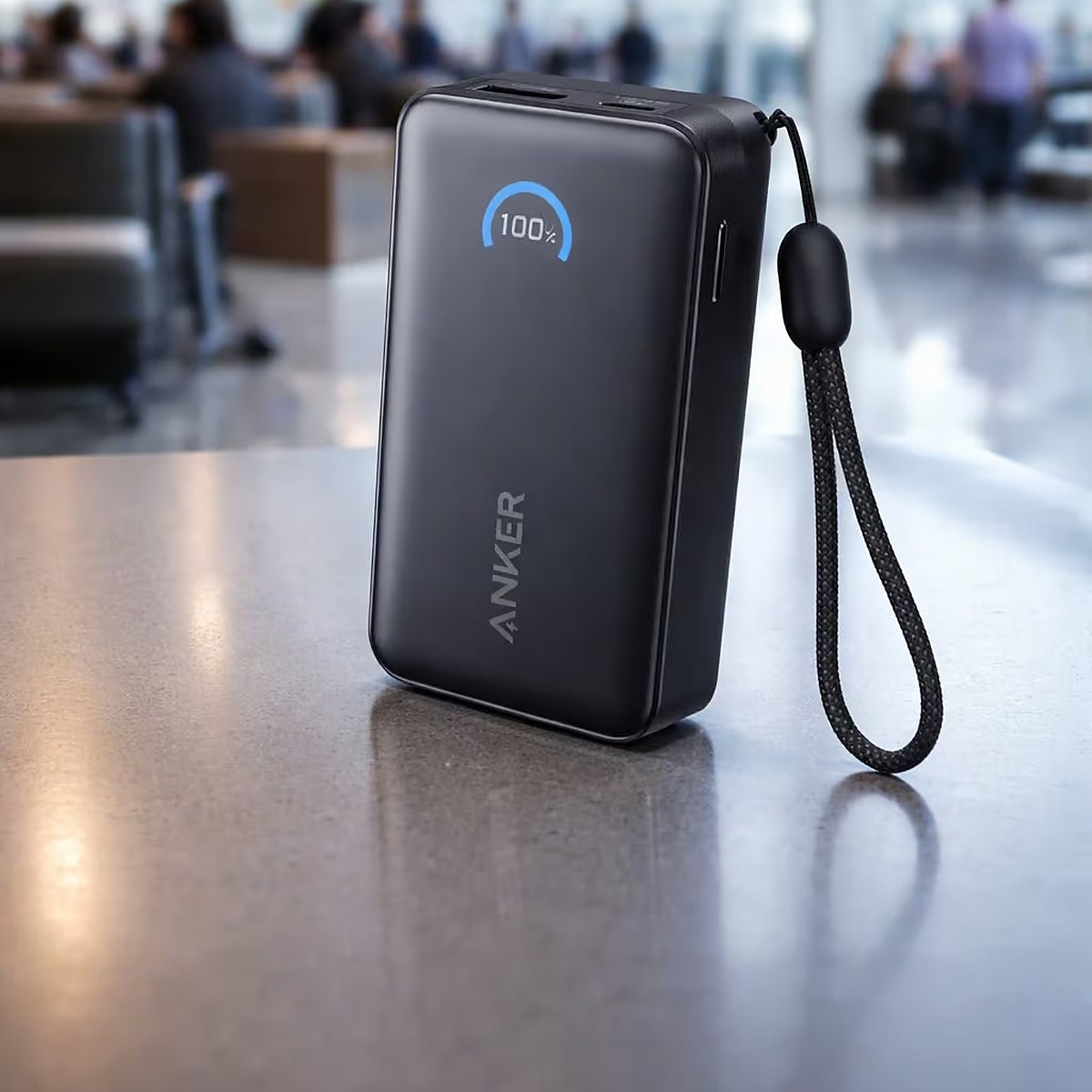
Best GaN Charger 2026: Compact USB-C Travel Picks
The best GaN charger for travel does three things at once: charges your laptop properly, fast-charges your phone, and fits the outlet you end up in.
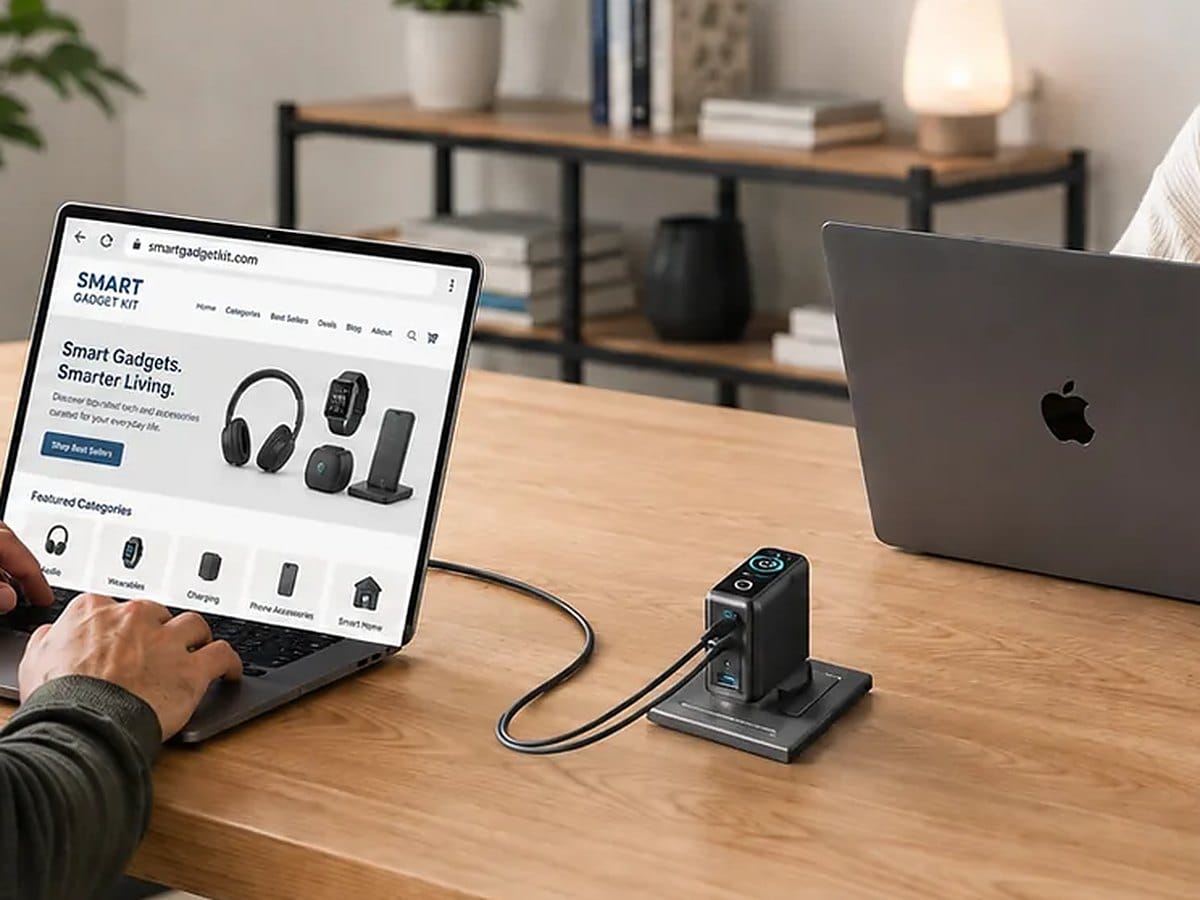
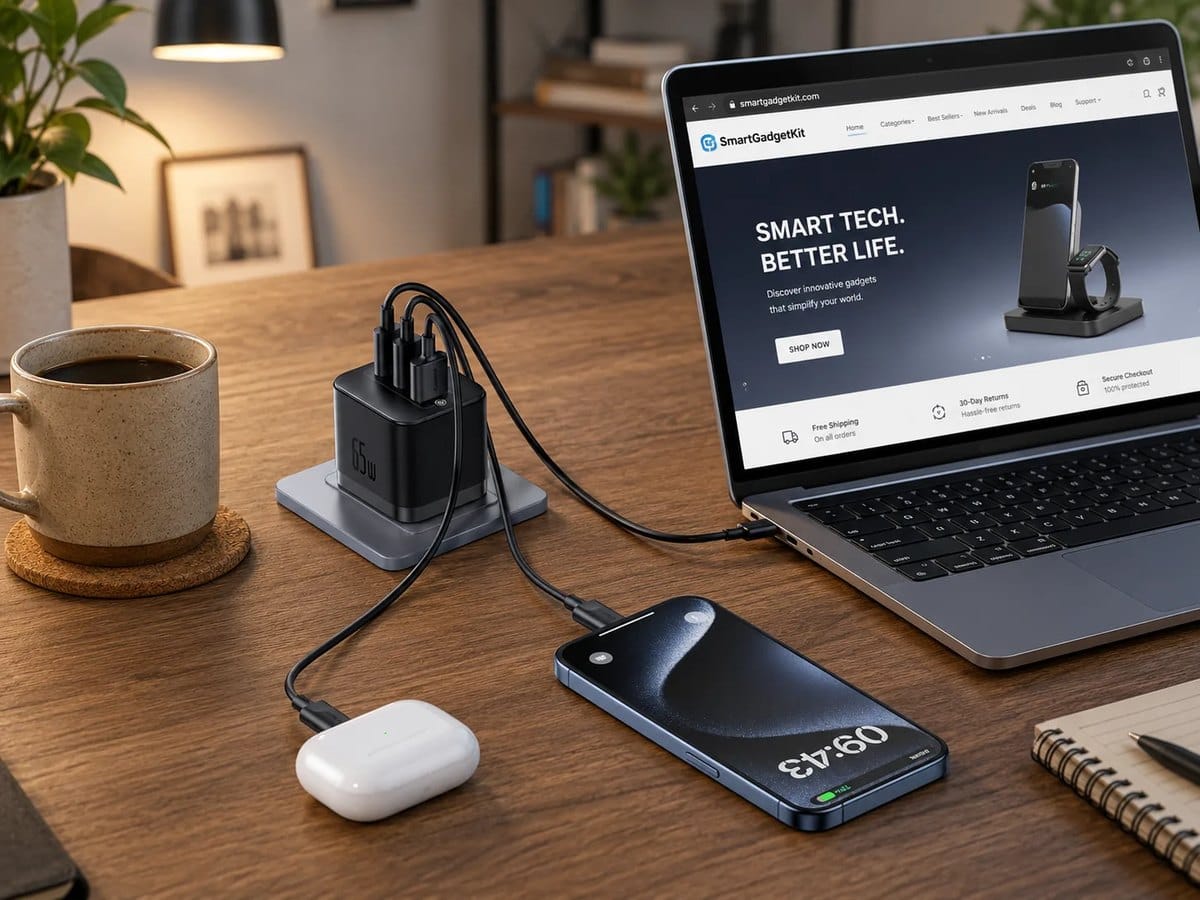
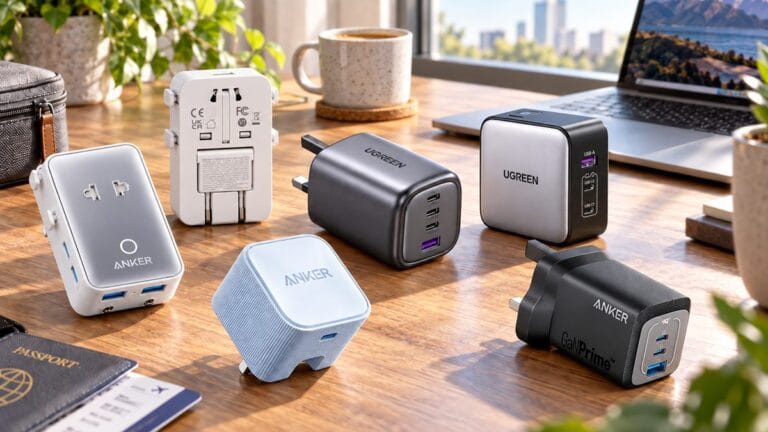
Short answer: our pick for most people is the UGREEN Nexode Pro 65W, which charges a laptop and a phone from one 113g block and ships with US, UK and EU heads. For a busy desk, the Anker 4-Port 140W; for the lightest carry, the Anker 511 Nano 4 at 30W.

Updated 10 November 2026
Affiliate disclosure: if you buy through links on this page we may earn a commission, at no extra cost to you. As an Amazon Associate we earn from qualifying purchases.
Quick list: our 6 picks
Best overall
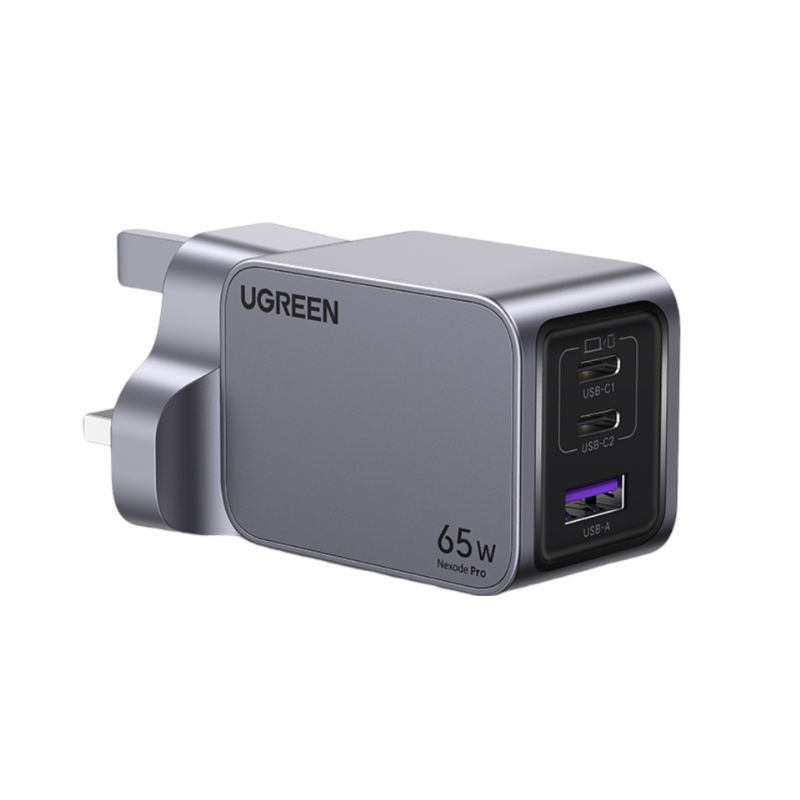
A laptop and a phone from one 113g block; ships with US, UK and EU heads.

Lightest and most compact
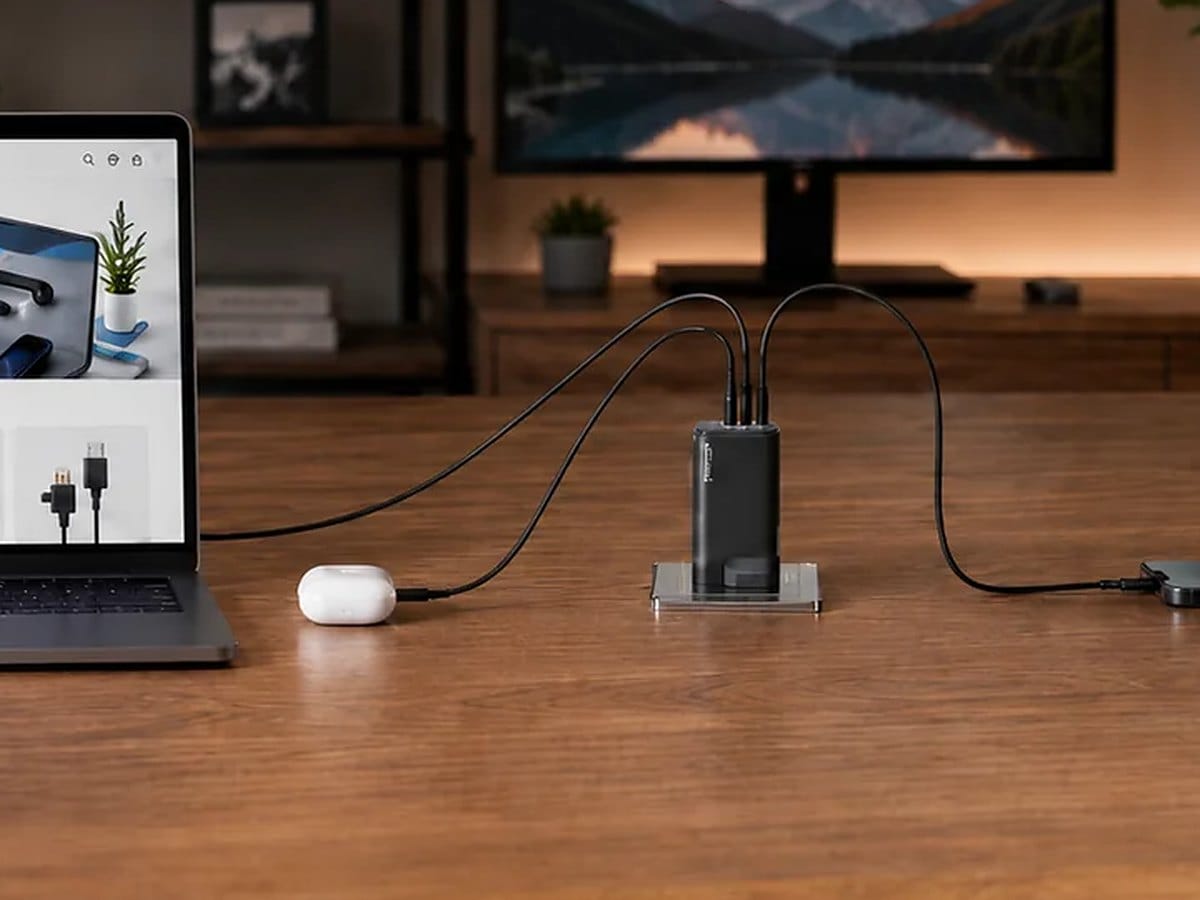
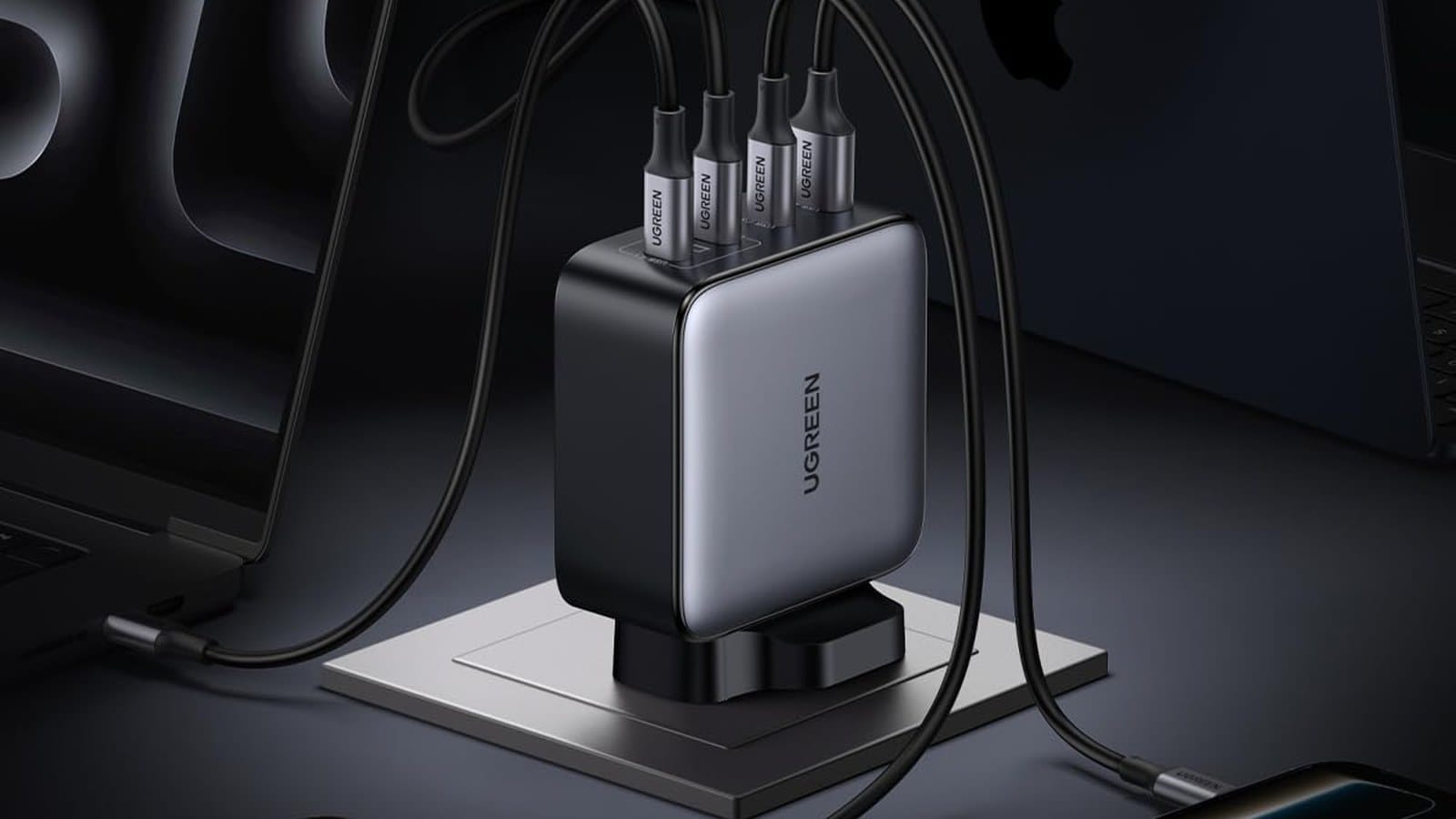
Phone-only travel where weight is the only thing that matters.
Our top pick
UGREEN Nexode Pro 65W
How the UGREEN Nexode Pro 65W scores
UGREEN Nexode Pro 65W. It is the best balance of output, ports and size here: a verified 65W from a single port, three ports in total, and a 113g body that covers a laptop and a phone from one small block.
65W is the number that does the most work in a bag. It fast-charges a MacBook Air at the speed Apple’s own adapter manages, and it still has enough left to keep a phone moving. With two devices connected, independent testing records a 45W and 20W split.
Step up to the Anker Prime 100W if you run a 14 or 16-inch MacBook Pro hard. Step down to the Anker 511 Nano 4 if the only thing in your bag is a phone.
Good
- 65W from one port, verified in independent testing
- Three ports in a 113g body
- GaNInfinity runs cooler than standard GaN5 under load
- UGREEN lists US, UK and EU plug heads in the box
Watch
- 65W is shared once all three ports are in use
- The USB-A port tops out at 22.5W
Start here
What are you buying it for?
Every pick below is a use-case winner. Tap the job that fits and the matching charger lights up in the shortlist.
The other five picks at a glance
The winner is above. These five cover the other jobs, from a whole desk of USB-C down to a phone charger you forget you packed. All six run on universal 100 to 240V input, so the charger itself works anywhere; the plug on the end is the part that changes.
Best for multi-deviceAnker Prime 100W
A MacBook Pro, a phone and a tablet from one block.
Best for maximum outputUGREEN Nexode 200W 3C1A
Two laptops and a power bank from one outlet.
Best 4-port for a busy deskAnker 4-Port 140W
An all-USB-C desk with live power shown on every port.
Best budgetBaseus 65W 3-Port
Three devices from a charger the size of a matchbox.
Lightest and most compactAnker 511 Nano 4 30W
Phone-only travel where weight is the only thing that matters.
Compare
Side by side
The same six chargers as a straight spec comparison. Single-port output is what one device actually gets; the port count is what you can run at the same time. Stars are derived from each pick’s score, and per-product rating markup lives on our standalone reviews, never on a roundup.
Weights are manufacturer figures and a tilde means an approximate weight. Two picks publish no weight, so we have left those cells empty rather than estimate them. Every performance figure is drawn from the named independent testing cited in each pick below.
How we tested these. SGK does not run a charger lab. Every figure on this page is a published measurement from the named independent reviewer cited in each pick, or the manufacturer’s own specification where that is all that exists, and we say which.
Each pick is scored out of ten on the same four marks: charging speed, portability, travel versatility and value for money. The stars come from that score, never the other way round. Alisdair, a network engineer, leads the testing and writes the picks.
First, how much power do you need?
Match the watts to the biggest thing you charge, not to the biggest number on the box.
| Wattage | Best for | Our pick |
|---|---|---|
| 30W | A phone on its own | Anker 511 Nano 4 |
| 65W | A laptop and a phone together | UGREEN Nexode Pro 65W |
| 100W | A 14 or 16-inch MacBook Pro | Anker Prime 100W |
| 140W | A full 140W into one laptop | Anker 4-Port 140W |
| 200W | Two laptops and a phone from one outlet | UGREEN Nexode 200W 3C1A |
For a phone on its own, 30W is usually plenty. Most current iPhones and Android phones fast-charge at 20 to 30W and will not go any faster above that, so the extra wattage buys you nothing. The exception is the iPhone 18 Pro and iPhone 18 Pro Max, which Apple says charge fastest on a 60W-capable adapter or higher that supports USB PD 3.2 AVS.
For a laptop and a phone together, 65W is the sweet spot. It fast-charges a MacBook Air and keeps a phone topped up from the same plug.
For a 14 or 16-inch MacBook Pro under sustained load, step up to 100W. Above that you are no longer buying for one laptop, you are buying for two, or for a whole desk of devices.
Best 30W GaN charger: Anker 511 Nano 4. A phone fast-charges at 20 to 30W and will not go faster on a bigger charger, so for a phone-only bag the Nano 4 at about 90g is all you need.
Best 65W GaN charger: UGREEN Nexode Pro 65W. The tier most travelers should buy. How-To Geek confirmed 65W from one port, and ChargerLab records a 45W and 20W split with two devices, enough for a MacBook Air and a phone in a 113g body. The budget answer in this tier is the Baseus 65W 3-Port.
Best 100W GaN charger: Anker Prime 100W. Macworld confirmed the full 100W under load, which is what a 14 or 16-inch MacBook Pro needs to build charge under real work. If the laptop is the whole point, our best USB-C laptop chargers guide goes deeper.
Best 140W GaN charger: Anker 4-Port 140W. Macworld confirmed the full 140W to a single MacBook Pro. If you would rather have four ports and 200W total, the UGREEN Nexode 200W 3C1A below also delivers 140W from port one over PD 3.1.
200W and above: UGREEN Nexode 200W 3C1A. The desk tier, running two laptops plus phones from one outlet. If you need even more from a single plug, the Anker Prime 250W is the current flagship, reviewed in full on its own page.
 Darleene asks
“Every charger shouts a different number, 30, 65, 100, 200 watts. How am I meant to know which one I need?”
Alisdair’s answer: think about the biggest single thing you plug in, and buy for that. Nothing else on the box matters much.
Only a phone? The little 30W is all you will ever use. A laptop and a phone? The 65W does both from one outlet.
A big work laptop that runs hot all day is the 100W. Everything above that is for charging two laptops, or a whole desk, at once.
The travel angle
The best GaN charger for travel, and the lightest pick
The queries this page already wins are the travel ones. Here is that advice in one place.
Best for travel with a laptop: UGREEN Nexode Pro 65W. At 113g with three ports and a 65W output confirmed in How-To Geek’s testing, it is our best for travel when a laptop is in the bag. Every pick on this page runs on 100 to 240V input, so abroad only the plug changes, never the charger.
Lightest and most compact: Anker 511 Nano 4. At about 90g with foldable prongs it is the most compact GaN charger here, the lightest GaN charger on the page, and the best travel GaN charger for a phone-only bag. It will not charge a laptop usefully; for that, step up to the 65W tier above.
If the laptop stays home, our best iPhone charger guide narrows the same field to the phone-only case, where 30W is the ceiling.
Pick 01Best overall
Best overall 2026: UGREEN Nexode Pro 65W
For the traveler carrying a laptop and a phone who wants one small charger that covers both.
How the UGREEN Nexode Pro 65W scores
Single-port power
65W
Fast-charges a MacBook Air at full speed
Source: How-To Geek
Ports
3
Two USB-C and one USB-A cover laptop, phone and earbuds
Source: Manufacturer spec
Weight
113g
Light enough to forget in a bag
Source: Manufacturer spec
Plug / travel
US, UK and EU heads
Interchangeable heads for crossing regions
Source: Manufacturer spec
The Nexode Pro 65W is the pick for most travelers because it covers the laptop-and-phone combination without asking you to carry anything extra.
At 113g, with a 65W single-port output confirmed by How-To Geek’s per-port testing, it does what a larger charger promises in a much smaller body.
Charging two devices, ChargerLab records a 45W and 20W split, which is enough to run a MacBook Air and a phone together. Add a third device on the USB-A port, which tops out at 22.5W, and all three share the same 65W budget.
The GaNInfinity chip is a genuine thermal improvement on standard GaN designs. That tells on the long hotel-room sessions where a charger runs for hours rather than minutes.
One thing worth knowing for travel. UGREEN lists three interchangeable plug types in the box, US, UK and EU, and the Amazon listing says the same, but we have not had one in our hands to confirm what ships in every market. Treat it as the manufacturer’s specification and check the listing for your own region before you buy.
If you want the plug heads to be the whole point of the product rather than a bonus, UGREEN sells a dedicated travel version, and we cover it in our UGREEN Nexode 65W travel charger review.
Measured: 65W from one port in How-To Geek’s per-port testing; a 45W and 20W split with two devices, per ChargerLab.
Good
- 65W single-port output, verified in independent testing
- Three ports in a 113g body
- GaNInfinity runs cooler than standard GaN5 under load
- USB-A on board for older accessories
- US, UK and EU plug heads listed by UGREEN
Watch
- 65W is shared once all three ports are in use
- The USB-A port tops out at 22.5W
Pick 02Best for multi-device
Best for multi-device: Anker Prime 100W
For a MacBook Pro plus a phone and a tablet, from one compact block.
How the Anker Prime 100W scores
Single-port power
100W
Full output for a 14 or 16-inch MacBook Pro
Source: Macworld
Ports
3
Two USB-C and one USB-A run laptop, phone and tablet
Source: Manufacturer spec
Weight
~170g
Smaller than many older 65W bricks
Source: Manufacturer spec
Plug / travel
One fixed per market
The plug matches the region version you buy
Source: Manufacturer spec
The Anker Prime answers a specific need: charge a 14 or 16-inch MacBook Pro, a phone and a tablet without carrying three separate chargers.
At 100W from a single port, confirmed by Macworld, it fast-charges a high-wattage laptop rather than only holding it steady. With two USB-C ports busy the split is 65W and 35W, and a third device drops the total to 89W.
At about 170g and 67.8 by 43.5 by 29mm it is smaller than many 65W silicon chargers from a few years ago. ActiveShield 2.0 monitors temperature continuously while it runs.
It sells in separate UK, EU and US plug versions. The charger itself runs on universal voltage, so only the plug head is fixed per version, which means buying the right one for where you live rather than swapping heads on the road.
We have looked at this one on its own too, in our Anker Prime 100W charger review.
Measured: the full 100W from one port under load, 65W and 35W when two USB-C ports are busy, and 89W across all three, measured by Macworld.
Good
- Full 100W from a single port, confirmed in independent testing
- Three ports for laptop, phone and tablet
- ActiveShield 2.0 temperature monitoring
- Smaller than many older 65W bricks
Watch
- The plug is fixed per market, so the region version matters
- A premium buy for the 100W tier
Pick 03Best for maximum output
Best for maximum output: UGREEN Nexode 200W 3C1A
For two laptops, phones and a power bank charging from a single outlet.
How the UGREEN Nexode 200W 3C1A scores
Single-port power
140W (200W total)
Enough for any laptop sold today
Source: Manufacturer spec
Ports
4
Three USB-C and one USB-A from one outlet
Source: Manufacturer spec
Weight
Not stated
UGREEN publishes no weight, so we do not estimate one
Source: Manufacturer spec
Plug / travel
One fixed regional
A fixed regional plug, not foldable
Source: Manufacturer spec
The Nexode 200W 3C1A removes the question of how many chargers to pack. One outlet runs two laptops at once, plus phones and earbuds.
It will also refill a high-capacity power bank properly overnight rather than trickling into it.
At 140W on port one over PD 3.1 it matches the highest single-port output here. Unlike a single-laptop charger it also keeps meaningful wattage across the other three ports at the same time.
Independent testing of comparable 200W chargers by ChargerLab shows GaN designs in this class deliver close to rated output after normal conversion losses, and the Nexode 200W follows the same pattern.
The trade-off is size, because a 200W plug is bigger than a 65W one. Traveling solo with one laptop, the Nexode Pro 65W is the better pack; packing for two people, this one earns the extra weight.
Our standalone UGREEN Nexode 200W review goes through it port by port.
Checked: 140W on port one over PD 3.1 is the maker’s rating; ChargerLab’s testing of comparable 200W GaN chargers shows this class holds close to rated output after conversion losses.
Good
- 200W total, the highest here
- 140W single-port PD 3.1 for any laptop
- USB-A included for older accessories
- Charges two laptops plus phones at once
Watch
- Larger than a single-device charger
- A single regional plug, not foldable and no interchangeable heads
Pick 04Best 4-port for a busy desk
Best 4-port for a busy desk: Anker 4-Port 140W
For an all-USB-C desk where you want to see and manage power across four ports.
How the Anker 4-Port 140W scores
Single-port power
140W
Full 140W to a single MacBook Pro
Source: Macworld
Ports
4 (all USB-C)
Four USB-C ports and no USB-A at all
Source: Manufacturer spec
Weight
Not stated
Anker publishes no weight for this one
Source: Manufacturer spec
Plug / travel
Foldable, one region
A foldable plug fixed to one region
Source: Manufacturer spec
The Anker 140W ships with a single fixed foldable plug. What sets it apart is the highest single-device output in this roundup paired with a per-port touch display.
It delivers 140W on port one, then 65W, 30W and 20W across the others when all four are in use. Macworld confirmed the full 140W to a single MacBook Pro on port one, which is more than most current Pros can even accept, so the charger will not be your bottleneck.
TechRadar tested all four ports under simultaneous load and reported clean thermal performance, helped by a graphene insulator.
The touch panel shows live wattage on each port. On a busy all-USB-C desk that answers the question of which port is actually doing the work, which no other pick here can tell you.
The trade-offs are clear. There is no USB-A, it is the largest pick here, and it sits at the top of the range. Choose it for four USB-C ports and live monitoring; if you mainly want the most total power, the UGREEN 200W above gives you more and adds USB-A.
Measured: the full 140W to a single MacBook Pro, per Macworld; clean thermals under four-port load, per TechRadar.
Good
- 140W to a single laptop, confirmed in independent testing
- Touch display shows live wattage on every port
- Four USB-C ports, PD 3.1 on the top two
- Graphene insulator, clean under quad load in TechRadar’s testing
Watch
- No USB-A port for older accessories
- The largest pick here
- One fixed regional plug, so carry an adapter abroad
- A premium buy
Pick 05Best budget
Best budget: Baseus 65W 3-Port
For three devices from a pocket-sized charger that asks the least of your wallet.
How the Baseus 65W 3-Port scores
Single-port power
65W
Rated wattage confirmed in a teardown
Source: ChargerLab
Ports
3
Two USB-C and one USB-A in a matchbox body
Source: Manufacturer spec
Weight
~95g
The second lightest pick here
Source: Manufacturer spec
Plug / travel
EU and US sold separately
Buy the version with the right plug
Source: Manufacturer spec
The Baseus 65W 3-Port packs three ports into a body Baseus rates as 41 percent smaller than a standard 65W charger. It is small enough to forget in a bag, which is exactly the point when you are packing light.
A ChargerLab teardown confirmed the advertised wattage, and The Gadgeteer ran a comparable Baseus 65W GaN variant at full load without overheating.
If you move between the UK and Europe often, you can buy the version with the right plug rather than relying on an adapter.
The limits are real. 65W is shared across the three ports, so each device gets less when all three are active, and one reviewer reported intermittent cycling with certain Samsung phones on PPS. It still represents the strongest value in this roundup.
Measured: the advertised 65W confirmed in a ChargerLab teardown; a comparable Baseus 65W ran at full load without overheating, per The Gadgeteer.
Good
- Three ports, two USB-C and one USB-A
- GaN5 chip in a body 41 percent smaller than a standard 65W
- EU and US plug versions available to buy
Watch
- 65W is shared across all three ports
- Intermittent PPS cycling reported on some Samsung phones
Pick 06Lightest and most compact
Lightest and most compact: Anker 511 Nano 4 30W
For phone-only travel where weight is the only thing that matters.
How the Anker 511 Nano 4 30W scores
Single-port power
30W
Fast-charges any current iPhone or Android
Source: Manufacturer spec
Ports
1
A single USB-C port
Source: Manufacturer spec
Weight
~90g
The lightest pick in this roundup
Source: Manufacturer spec
Plug / travel
Foldable, one region
Foldable prongs that live in a pocket
Source: Manufacturer spec
The 511 Nano 4 is for the traveler who carries a phone and does not want to think about the charger at all. At about 90g it disappears into a jacket pocket.
At 30W over USB-C PD 3.0 it fast-charges any current iPhone or Android. Independent testing of the comparable Nano 3 by Digital Camera World saw an iPhone reach 50 percent in around 30 minutes from flat.
Be honest with yourself about what it is, which is a phone charger. A tablet charges slowly on 30W and a laptop will not charge usefully at all, so if there is a laptop in the bag, pick one of the 65W or 100W options above.
Measured: the comparable Nano 3 took an iPhone to 50 percent in around 30 minutes from flat, per Digital Camera World.
Good
- About 90g, the lightest pick
- Foldable prongs, genuinely pocketable
- Fast-charges any current iPhone or Android
Watch
- Single port only
- 30W is not enough for a laptop
The bottom line
For most travelers the UGREEN Nexode Pro 65W is the one to carry. A verified 65W, three ports and 113g cover a laptop and a phone from a single small block, and it scores 8.5, the highest here.
Step up to the Anker Prime 100W if you run a MacBook Pro hard, or to the UGREEN Nexode 200W 3C1A if you are charging two laptops and a power bank from one outlet.
Traveling with only a phone, the Anker 511 Nano 4 is all the charger you need, and at about 90g it is the one you will not notice carrying.
All six run on universal 100 to 240V input. UGREEN lists the Nexode Pro 65W as shipping US, UK and EU heads; for the other five, a compact adapter is the one extra you need abroad.
Every score on this page comes from the same four marks: charging speed, portability, travel versatility and value for money. One scale for every pick is what makes the numbers worth comparing at all. If you want the fuller picture on wall chargers with a USB-A port as well, our best USB-C and USB-A charger guide covers that mix.
How to choose the best GaN charger for travel
Two numbers decide it: the watts one port can deliver, and whether the plug fits the wall you end up at.
65W or 100W, and which one fits your travel. The best 65W pick is the UGREEN Nexode Pro 65W: 113g, three ports, GaNInfinity thermal management and a verified 65W single-port output. It is the right choice for a MacBook Air plus a phone, or for any laptop that accepts up to 67W.
The best 100W pick is the Anker Prime 100W, which delivers a full 100W from one port in a body smaller than most silicon 65W bricks. If you carry a 14 or 16-inch MacBook Pro under sustained load, 100W is the honest choice over 65W.
Plug variants, and why voltage is never the problem. Almost every GaN charger sold across Amazon UK, Amazon.de and Amazon.com is rated 100 to 240V, so the charger itself works on any country’s voltage.
The plug head is the part that does not travel. A charger bought in one market normally ships with that market’s plug, and it will not fit a European Schuko outlet or a US Type A outlet.
Our winner is the exception on paper. UGREEN lists the Nexode Pro 65W with US, UK and EU heads you swap in and out, while the other five each ship a single regional plug. If you cross regions, pair your charger with a compact universal adapter: it adds less than 30g to a bag and covers both.
Why port count matters more than you expect. A single-port charger does the job for one device. Travel with a laptop, a phone and earbuds and one port quickly means one device at a time, or hunting for the room’s other outlets.
A three-port charger covers all three from one plug. Output splits under simultaneous use, which is physics rather than a flaw, and a well-designed 65W split of 45W to the laptop and 20W to the phone is more than enough for that pairing.
USB-A still matters more than the current narrative suggests. Plenty of travel accessories and older cables use it, so a charger with no USB-A at all is a forward-looking choice that can be a present-day inconvenience.
What the GaN generation labels mean. GaN3 and GaN5 are third and fifth-generation gallium nitride designs, and GaN5 runs cooler and more efficiently. Most picks here use GaN5 or newer.
GaNInfinity from UGREEN and GaNPrime from Anker are each brand’s current-generation name, both signalling better thermal management than standard GaN5. The generation matters; the marketing name is secondary, and the independent data settles it.
If you are choosing for a phone rather than a laptop, our best iPhone charger guide narrows the same field down to the phone-only case.
The tech
What GaN actually is, and why it runs cooler
Every pick on this page is a gallium nitride charger. Here is what that buys you, in plain numbers, and where the physics still bites.
| What | GaN charger | Standard charger |
|---|---|---|
| Size and weight | Smaller and lighter for the same wattage | Bigger and heavier |
| Heat | Runs cooler, so it can push more power from a small block | Warmer, more prone to throttling |
| Charge speed | The same; the device sets the pace | The same at matched wattage |
| When it is worth it | Travel, and one charger for a laptop and a phone | A fixed desk where size does not matter |
GaN is short for gallium nitride, a semiconductor that replaces silicon in the part of a charger that chops wall power into the low voltage your devices take. It can switch on and off far faster than silicon and stand much higher voltages.
The reason is the material itself. Gallium nitride has a bandgap of 3.4 electron volts against silicon’s 1.1, which is why IEEE Spectrum calls it the ideal semiconductor for power-hungry electronics.
In a wall charger that translates into three things you can feel: fewer and smaller parts inside, less energy wasted as heat at every switch, and a block that ends up far smaller than the brick your laptop shipped with.
GaN bandgap
Why it runs cooler
3.4 eV
Against 1.1 eV for silicon, which is why GaN wastes less energy as heat at every switch
Source: IEEE Spectrum
Wall-to-device efficiency
How much reaches your device
89 to 93%
Measured across 20 chargers in Tom’s Hardware’s 30 minute load test
Source: Tom’s Hardware, June 2026
Heat from a 65W charger
What the small block sheds
About 7W
At 90 percent efficiency, our sum on the Tom’s Hardware figure
Source: SGK arithmetic on the Tom’s Hardware figure
Throttling in the 45 to 68W band
That cut output in the test
None
Every charger in that band held full output for the whole run
Source: Tom’s Hardware, June 2026
GaN versus silicon, in practice. A silicon charger of the same wattage needs a bigger transformer and a bigger heatsink, so it is heavier and warmer for the same output. GaN does not make a charger magic; it moves the point at which heat becomes a problem.
Heat and throttling. That point still exists. In Tom’s Hardware’s 30 minute test all three 140W chargers cut their output after 15 minutes as they heated up, the best of them settling at 118W with a surface reading of 67 degrees C, and a 100W Anker Prime slipped from 99W to 89W.
Every charger in the 45 to 68W band held full output for the whole run. That is the engineering reason a 65W block is the right buy for one laptop and a phone, and why the 100W and 200W picks here are for people running two laptops or a desk.
GaN generations. You will see GaN 3, GaN 4 and GaN 5 on boxes, and UGREEN numbers its own. Later generations push higher wattage into the same size, but the label is marketing; the numbers that matter are the per-port wattage and whether the charger holds it once warm.
Safety marks. A genuine GaN charger carries a safety certification against IEC 62368-1: UL or ETL in the US, UKCA in the UK, CE in the EU. Counterfeits sold under unknown names leave out the thermal cut-out and the insulation barrier that standard requires, and they weigh noticeably less than the real thing.
Buy from the brand’s own store or its official Amazon storefront, and treat a 65W GaN charger at a fraction of the usual weight as the warning sign it is.
Frequently asked questions
Straight answers to what travelers search for.
Do I still need a travel adapter with a GaN charger?
Yes, in most cases. GaN chargers sold on Amazon UK, Amazon.de and Amazon.com ship with a single regional plug, and the charger itself runs on any voltage from 100 to 240V, so it is only the plug that stops working abroad.
The exception here is our top pick: UGREEN lists the Nexode Pro 65W with US, UK and EU heads in the box. For the other five, a compact universal adapter under 30g covers you across regions.
Which GaN chargers come with EU, UK and US plugs included?
UGREEN lists our best overall pick, the Nexode Pro 65W, with US, UK and EU heads that swap in and out, and its Amazon listing says the same. That is the manufacturer’s specification rather than something we have confirmed in the hand.
UGREEN also makes the Nexode 65W travel charger built around the same three-plug idea, covered in our UGREEN Nexode 65W travel charger review. If you are weighing it against a lighter fixed-plug rival for overseas trips, we put it head to head with the Anker Prime 67W in our UGREEN Nexode 65W vs Anker Prime 67W comparison. Always check the listing for the region you are buying in, because the same model is often sold with a different plug per market.
Can a 65W GaN charger replace my laptop’s original charger?
For most laptops, yes. A MacBook Air charges at up to 67W over USB-C, so a 65W GaN charger fast-charges it about as effectively as the original.
A 14 or 16-inch MacBook Pro can accept 96W to 140W. On 65W it will charge, but under heavy use it may not recover faster than the battery drains, so 100W is the safer choice for a high-performance laptop.
Does wattage drop when charging multiple devices at once?
Yes. Multi-port chargers split their total wattage across the active ports, so the UGREEN Nexode Pro 65W delivers 65W to one device but records a 45W and 20W split with two connected.
That is how shared power budgets work rather than a flaw. The number to check is the primary-port output when all ports are in use, not the single-port maximum on the box.
Are GaN chargers allowed on planes and in a carry-on?
What is the difference between GaN, GaN5, GaNInfinity and GaNPrime?
Is 65W or 100W better for a MacBook Air?
Is a GaN charger a good iPhone charger?
Can a GaN charger charge a Chromebook or laptop?
Will a GaN charger overheat my phone or laptop?
What is USB Power Delivery and why does it matter for travel?
USB Power Delivery, usually shortened to PD, is the standard that lets a charger and a device agree how much power to move between them. It is what allows one small charger to fast-charge a phone at 30W and a laptop at 100W from the same port.
For travel it matters because a single PD charger replaces the separate bricks you would otherwise carry, and PD 3.1 pushes that ceiling up to 140W for high-wattage laptops. The USB Implementers Forum, the standards body behind PD, publishes the full specification on its USB charger and PD page.
What is the lightest GaN travel charger in this roundup?
What is the best USB-C charger for an iPhone or Android phone?
For a phone on its own, the Anker 511 Nano 4 at 30W is the sensible choice, because most current iPhones and Android phones fast-charge at 20 to 30W and will not go faster on a bigger charger.
For an iPhone 18 Pro or iPhone 18 Pro Max, the UGREEN Nexode Pro 65W has the 60W-plus output Apple quotes for its fastest charge; check its listing for USB PD 3.2 AVS, which that top speed also depends on.
If you want one charger for a phone and a laptop, the UGREEN Nexode Pro 65W covers both from a single outlet.
Do USB-C iPhones need a special charger?
No. A USB-C iPhone, which means an iPhone 15, iPhone 16, iPhone 17 or iPhone 18 Pro, uses the same USB Power Delivery standard as every other USB-C device, so any PD charger here works.
For most iPhones, around 30W is the practical ceiling for fast charging, so a larger charger will not charge them faster; what it gives you is headroom to charge other devices at the same time.
The iPhone 18 Pro and iPhone 18 Pro Max are the exception: Apple quotes up to 50% in around 15 minutes with a 60W-capable adapter or higher, and its support page says the phones use USB Power Delivery 3.2 with Adjustable Voltage Supply (AVS).
In an independent test reported by MacRumors, the iPhone 18 Pro Max peaked at about 52W for its first 12 minutes, against a 36W peak for the iPhone 17 Pro Max in ChargerLAB’s test.
So for those two, pick a charger of 60W or more, such as the UGREEN Nexode Pro 65W, and check its listing for PD 3.2 AVS; a charger without AVS still charges them safely, just more slowly.
Is a GaN charger a fast charger?
Is a GaN charger better than a normal charger?
For the same wattage, yes: smaller, lighter and cooler, because gallium nitride switches faster and wastes less energy as heat than silicon. It does not charge a phone any faster; the phone sets the pace over USB Power Delivery. The gain is the size of the block in your bag.
Do GaN chargers throttle when they get hot?
The big ones can. In Tom’s Hardware’s 30 minute test all three 140W chargers cut their output after 15 minutes as they warmed up, and a 100W unit slipped from 99W to 89W. Every charger in the 45 to 68W band held full output for the whole run, which is one more reason a 65W block suits one laptop and a phone.
Is a GaN charger safe to leave plugged in?
A certified one, yes. Look for UL or ETL in the US, UKCA in the UK or CE in the EU, all tested against IEC 62368-1, which covers overheating and fire. The risk sits with unbranded copies that skip the thermal cut-out to hit a low weight.
What are the disadvantages of GaN chargers?
Three. They cost more than a silicon charger of the same wattage. The highest-wattage ones still get hot enough under sustained load to throttle. And the label invites fakes, so an unknown brand at an unusually low weight is a charger to avoid.
Is it worth buying a GaN charger?
Is it okay to use a 100W charger for a 65W laptop?
Is 240W better than 100W USB-C?
Keep reading
The guides and reviews that go deeper on each job.
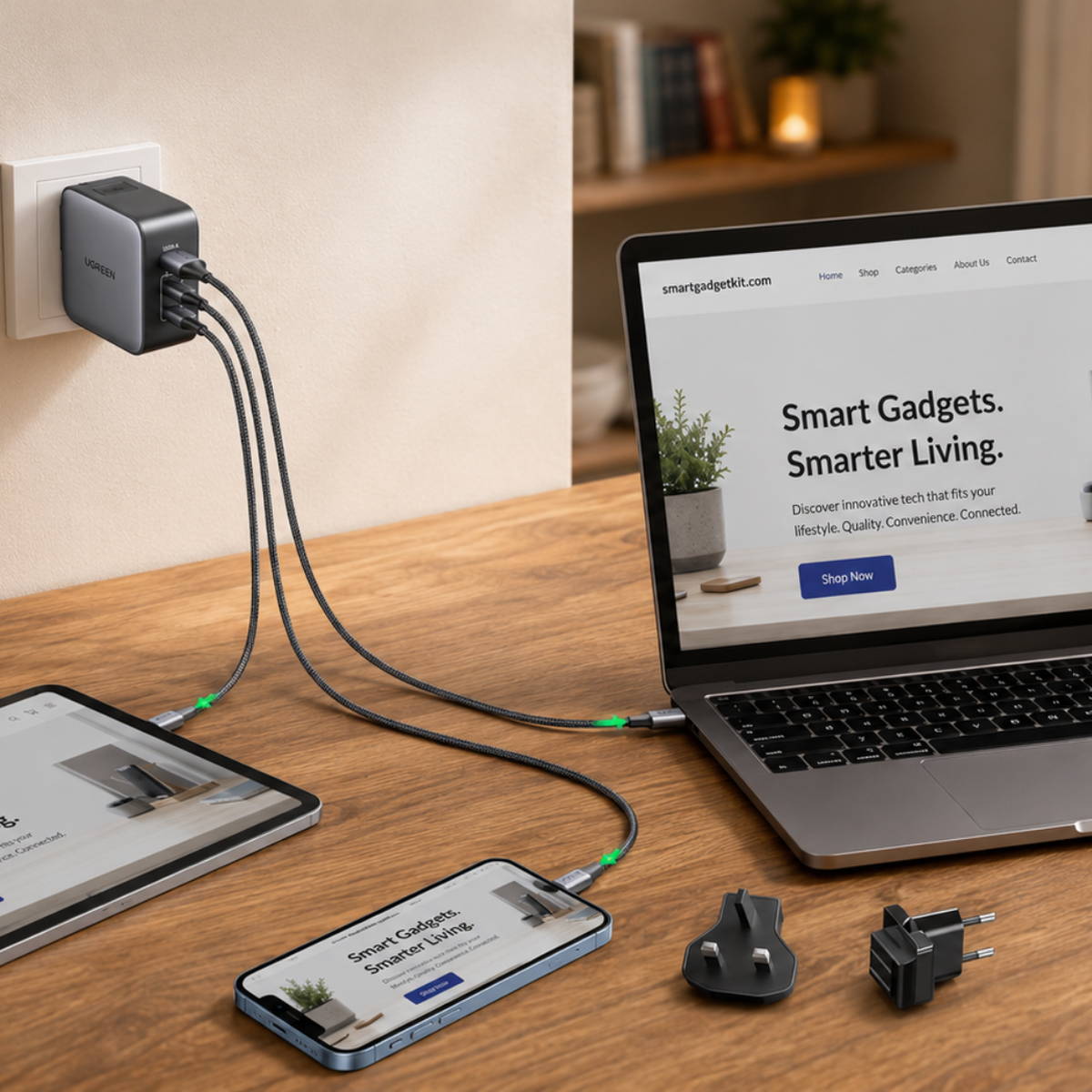
UGREEN Nexode 65W travel charger
The version built around swappable UK, EU and US heads, reviewed on its own.
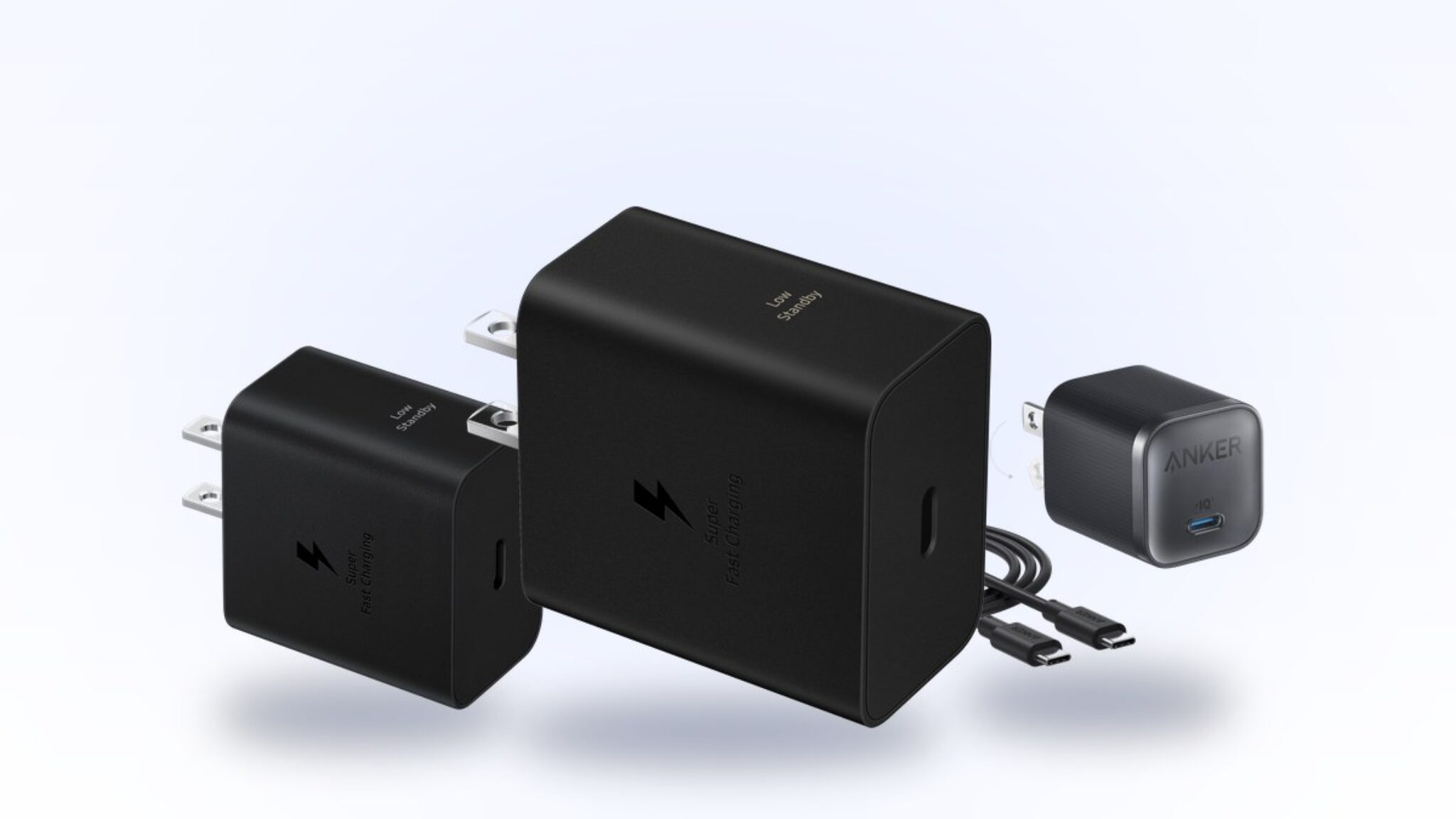
Best fast charger for Samsung
Which plug hits Super Fast Charging on each Galaxy, from the 25W A series to 60W on the S26 Ultra.
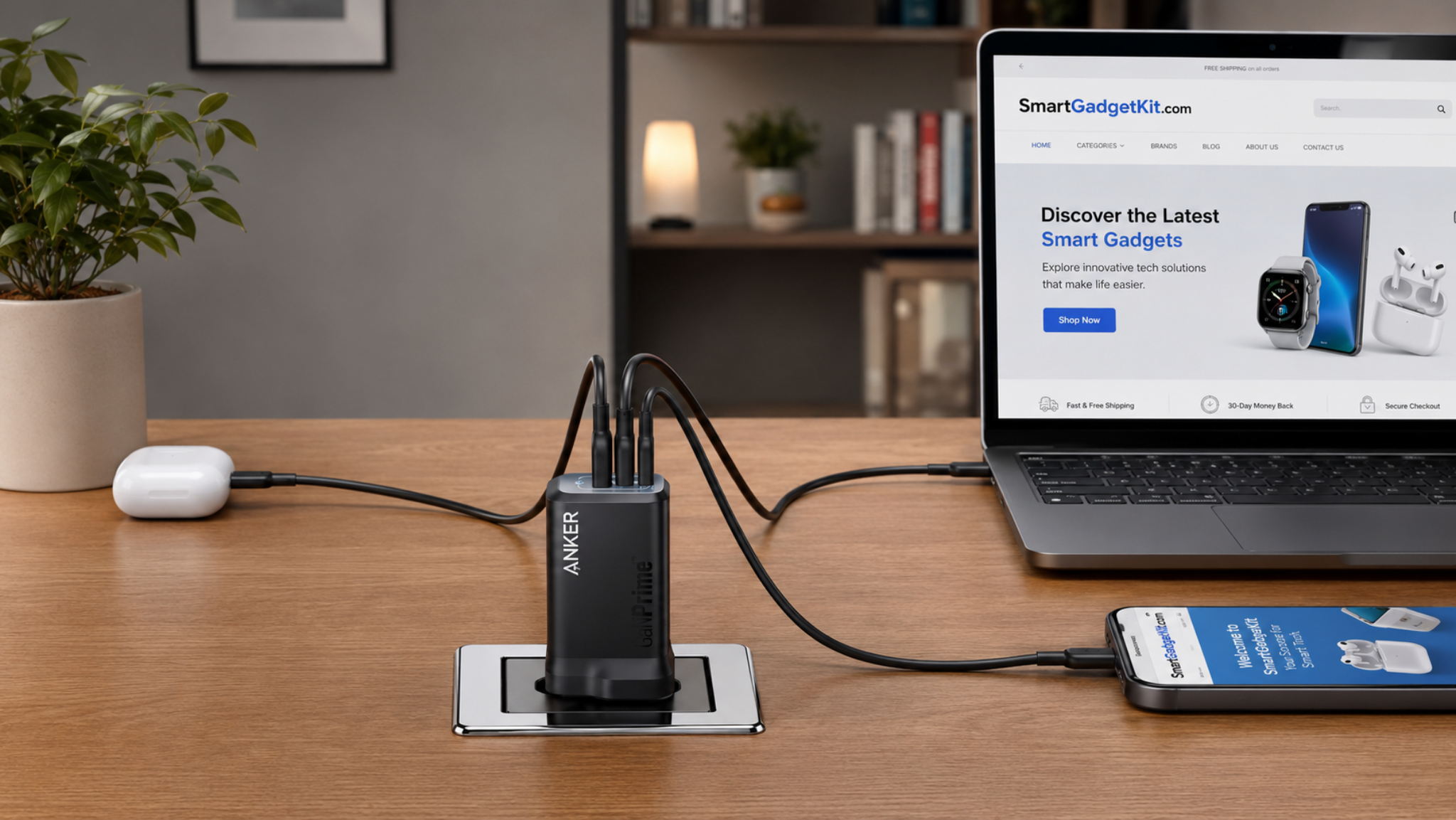
Anker Prime 100W review
Pick two in full: what you get when two ports actually hold their wattage.
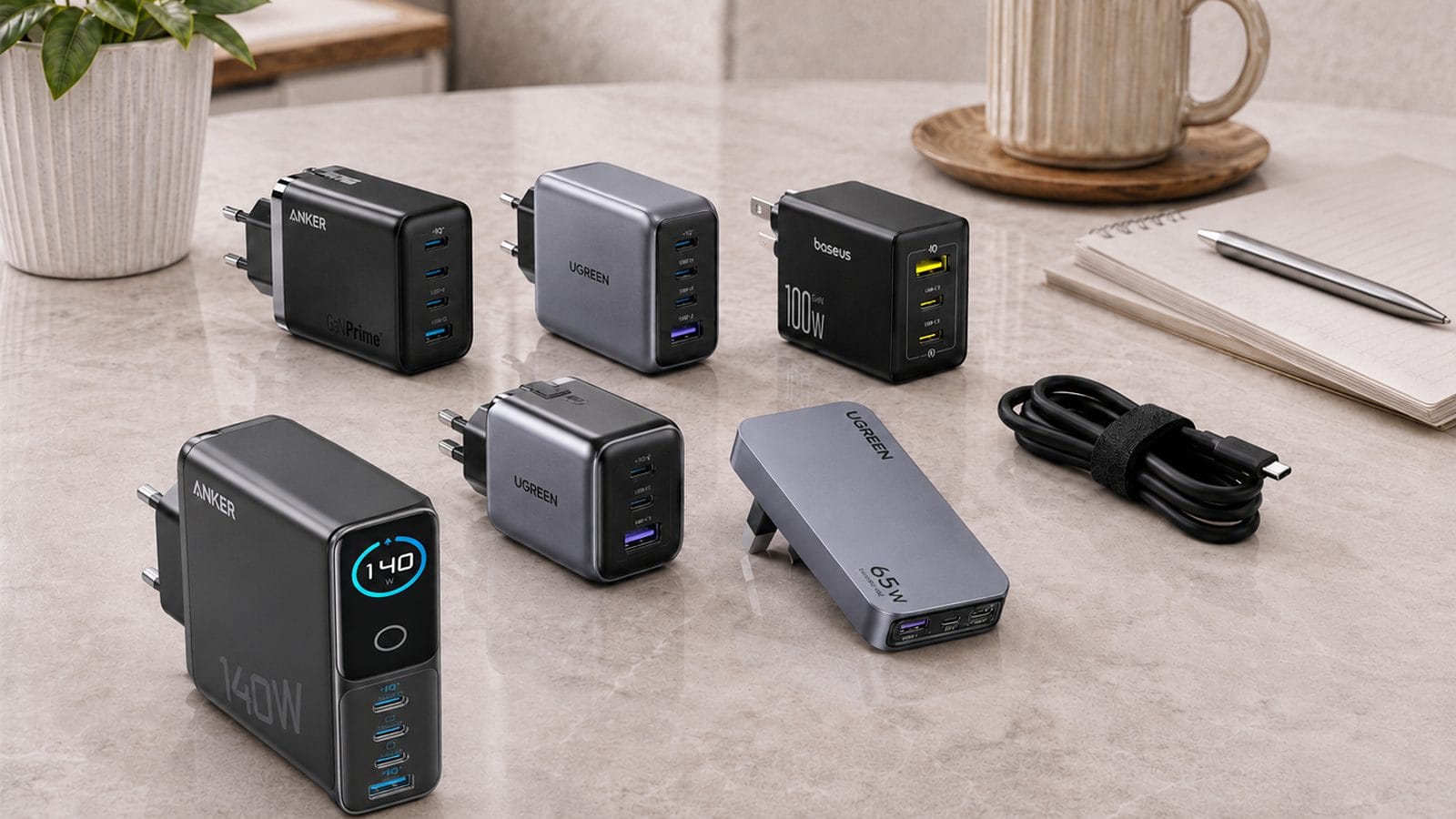
Best USB-C laptop chargers
When the laptop is the whole point and you want maximum wattage from one port.
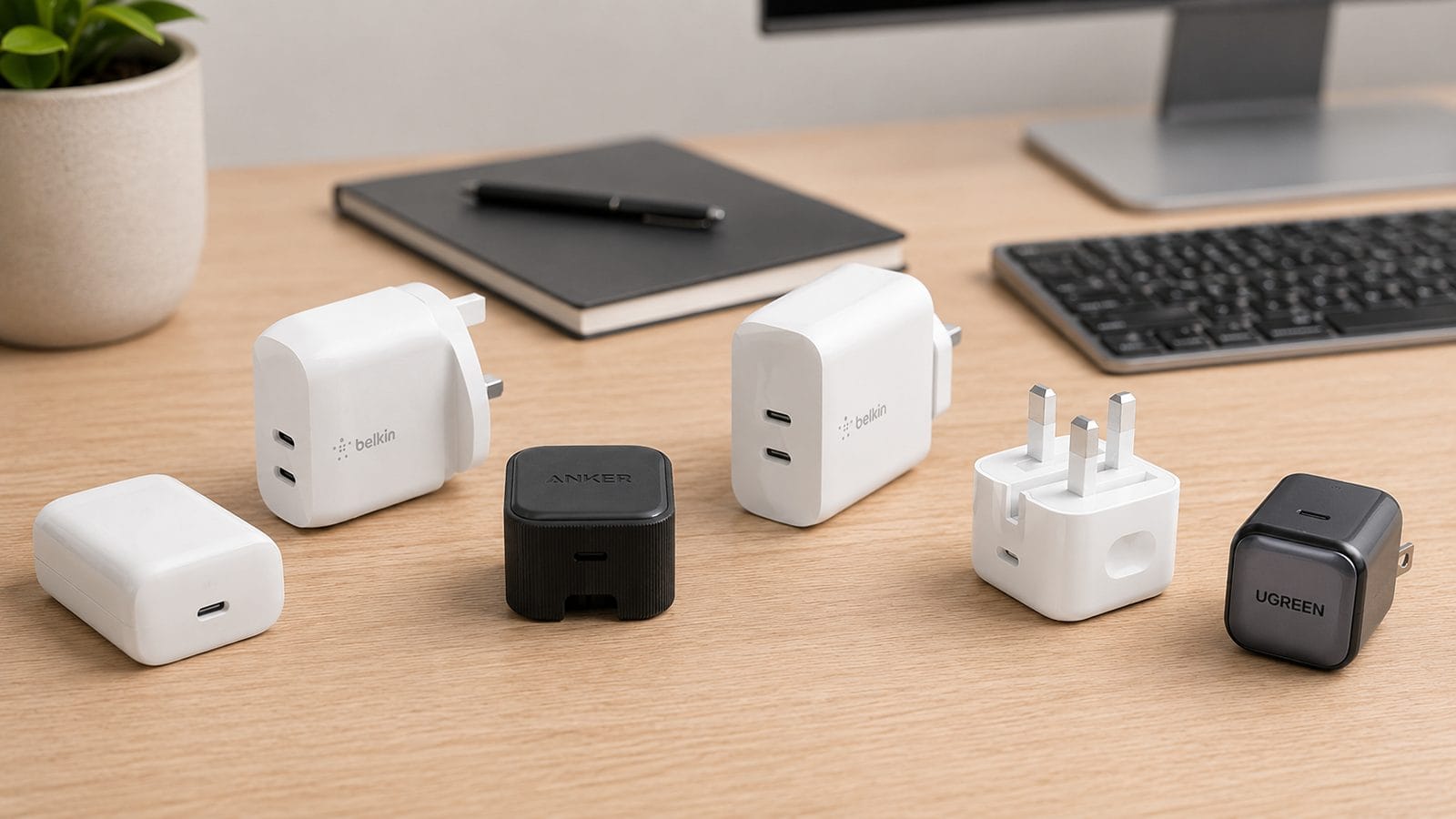
Best iPhone charger
The same field narrowed to the phone-only case, where 30W is the ceiling.

Best power banks 2026
Backup capacity for the long-haul flights a wall charger cannot cover.
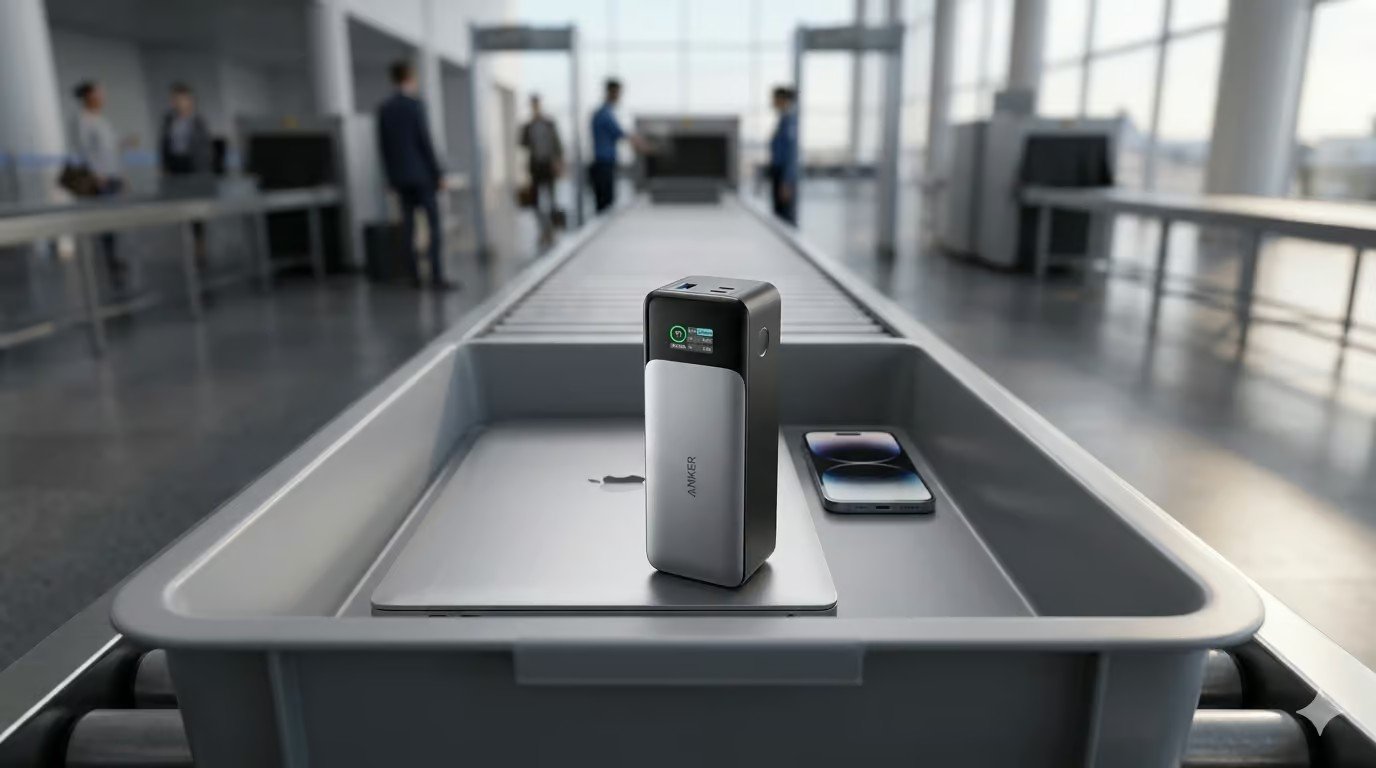
Power banks on a plane
The 100Wh cabin rule in plain English, and why it never applies to a wall charger.
Want the big four-port desktop unit? See the Anker Prime 250W review.
Latest from SmartGadgetKit
 10 Best Travel Gadgets 2026: What to Pack in Your Carry-On
 Best Travel Headphones: 8 Picks for Flights, Trains and Commutes
 Best Travel Pillow 2026: 8 Picks for Sleeping in Economy
 Sony WH-1000XM5 Review: The Travel Pair I Would Buy Again
 What is MagSafe? How Apple’s Magnetic Charging Works
 Best Portable Charger for iPhone: 5 Picks for 16, 17, and 18 Pro
 Anker vs UGREEN: Which Brand Should You Buy in 2026?
 Best Travel Charger 2027: GaN Chargers for Every Trip