Explainer
Why is my phone not charging?
The common causes, and the fix for each, easiest first. Works for Android, Samsung Galaxy and any USB-C phone. If you are on an iPhone, see our iPhone not charging guide.
Short answer
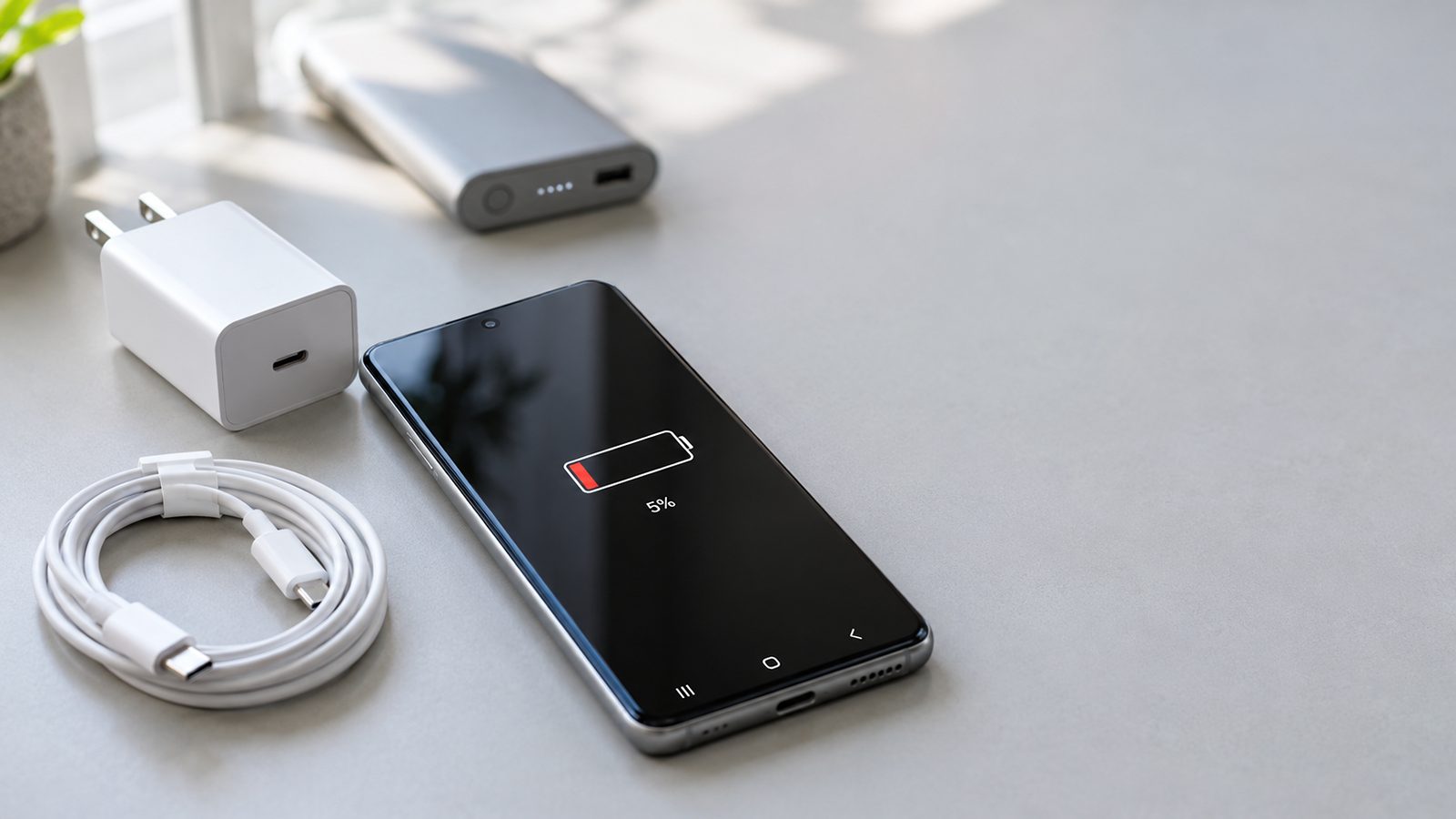
The most common reason is a dirty charging port or a worn cable.
Plug straight into a wall outlet, swap to a cable you know works, clear any lint out of the charging port, then leave it for a full 30 minutes. That clears most cases of a phone not charging. Still dead? Work down the list below. On an iPhone, follow our iPhone not charging guide instead.
- Wall outlet first: a laptop port or a cheap hub is often too weak to charge a phone
- Swap to a cable you know is good: cables fail from the inside and the damage is invisible
- A water-drop warning is a safety pause, not a fault: dry the port before charging by cable
Facts checked 23 June 2026 against Google Android Help, Google Pixel and Samsung Support. How we test and score ›
What is really going on
The four causes that matter
Everything below unpacks these. If you only remember four things, make it these four.
Step by step
How do I fix a phone that is not charging?
Eleven fixes, easiest and most likely first. Start at the top and stop the moment it charges again.
Android phones vary, so menu names differ a little by brand, but the order holds.
First, rule out the obvious
Plug straight into a wall outlet, reseat the cable at both ends, and give it 30 minutes before you worry. A laptop USB port or a cheap multi-port hub often cannot supply enough power, so go straight to the wall, and try a second outlet in case the first is dead.
Google’s first step is to check the adapter, cable and connections and test them with another device. Then watch the status bar, because sometimes it is charging slowly and you could not tell.
Check and clean the charging port
Lint packed into the USB-C port is the single most common reason a phone stops charging. Pockets and bags work fluff deep into the port, and once it compacts the cable cannot make proper contact.
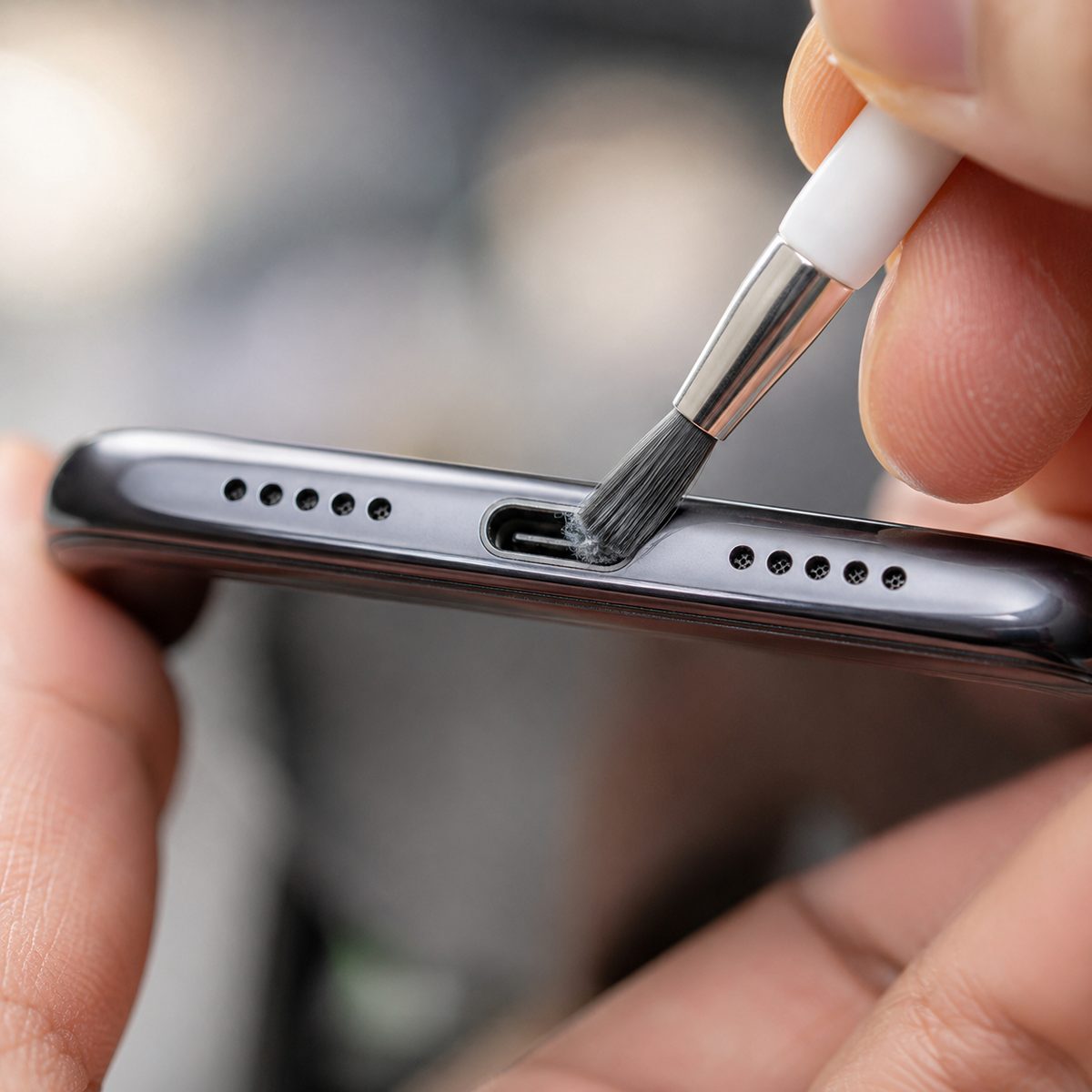
Google and Samsung both say to check the port for dust, lint or debris and clear it gently. The safe way: power the phone off, then lift the lint out with a dry soft brush or a wooden or plastic toothpick.
Never use a metal pin, compressed air or any liquid. If the port is loose, corroded or visibly damaged, stop and get it looked at.
 Darleene asks
“This might sound silly, but my phone only charges when the cable sits at an angle. Have I broken it?”
Alisdair: Almost certainly not. Needing an angle usually means pocket lint has packed into the port, so the cable cannot seat fully.
Power the phone off and lift the lint out with a dry soft brush or a wooden toothpick, never anything metal.
If it still needs the angle with a cable you know is good, the port itself is worn, and that is a repair quote rather than a new phone.
Try a different cable
Swap to a cable you know is good, because a frayed, kinked or cheap charge-only cable is one of the most frequent causes and the easiest to overlook. Cables fail from the inside, usually near the connector where they bend most, so the damage is often invisible.
Google recommends trying a different cable and adapter, and Pixel support notes that damaged or unsupported accessories cause slow or failed charging. If a known-good cable brings your phone back, the old one is done.
If yours turns out to be the culprit, our roundup of the best USB-C cables covers ones built to last.
Use a proper charger
A tiny 5W plug, a laptop port or a powered hub may be too weak, so use a proper USB-C wall charger. A charger and a phone negotiate how much power to move between them, and a real USB-C Power Delivery charger gives a clean, adequate supply.
If you have been topping up from a laptop or an ancient plug, a decent wall charger often fixes it outright. A good GaN charger is small, runs cool, and has the headroom to charge at full speed.
On a Samsung Galaxy, check fast charging is on
If a Galaxy charges, but slowly, the phone may not be faulty at all, because fast charging can be switched off. Samsung’s fast-charging guide says compatible Galaxy phones need Fast charging, and Fast wireless charging, enabled under Settings, Battery, Charging.
Turn them on, use a charger and cable that support your phone’s speed, and the difference is obvious. Samsung Members diagnostics can also test the battery, cable charging and wireless charging if you want a second opinion.
Restart, then force restart
A software hang can stop charging dead, so restart, then force restart. A normal restart clears most glitches.
If the screen is frozen, Google’s guidance is to press and hold the power button for 5 to 7 seconds, and Samsung’s soft reboot is to hold Power and Volume Down until the phone restarts.
Once it is back, install any pending system update, since charging fixes ship in updates. Menu names vary by brand, so go by the buttons, not the wording.
Moisture detected, or a water warning
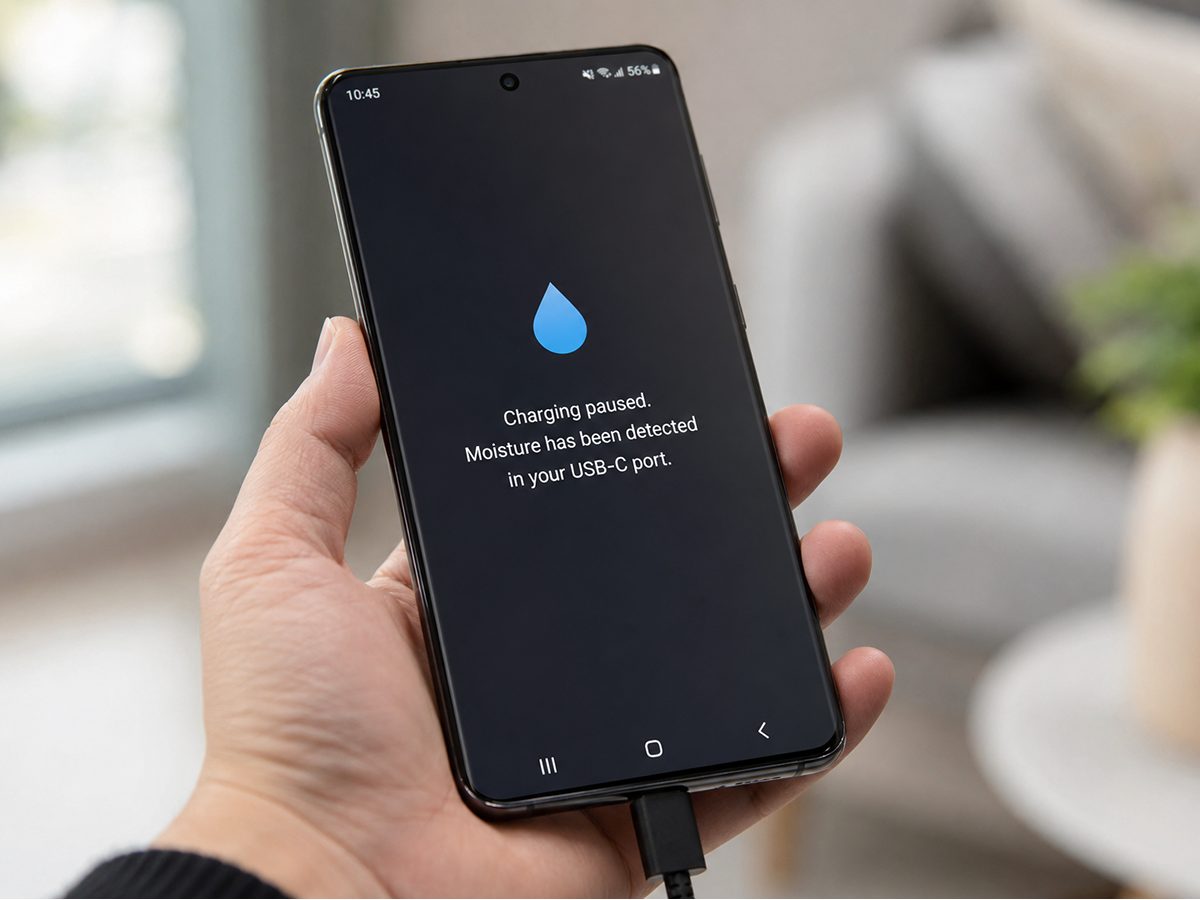
A water-drop icon or a moisture-detected message means the phone has paused charging on purpose to protect the port, and that is a safety stop, not a fault. Samsung’s moisture guidance says to unplug, dry the phone, gently shake it with the port facing down, and leave it somewhere ventilated or in front of a fan.
Do not force wired charging while the warning is up, and skip the rice and the hairdryer. Retry once the port is dry, and allow up to a day. A wireless charger still works once the back is dry.
Wireless charging not working
Line the charger up centrally, plug the pad into power before you place the phone, and take off any thick or metal case. Samsung says wireless charging is easily interrupted by poor placement or a foreign object, and Pixel guidance is to remove metal or magnetic accessories, center the phone, remove the case if needed, and let the phone cool. A magnet, a metal ring or a card holder between the phone and the pad will block or slow it.
Slow only over 80 percent? That can be normal
If the phone charges fine to about 80 percent and then crawls, that may be the battery-protection feature, not a fault. Google Pixel notes that Adaptive Charging can intentionally slow charging over 80 percent so the phone fills up nearer the time you usually unplug, and many Galaxy phones have a similar Protect battery setting. If you want a full charge fast, turn the feature off for that charge.
Check the battery health
If the phone is a few years old, drains quickly and charges oddly, the battery itself may be worn.
Google notes a red light can mean the battery is fully discharged, and a flashing red light can mean there is not enough power to wake the screen until it has charged for at least 30 minutes, so a deeply drained phone needs patience first.
Beyond that, run your phone’s battery diagnostics (Samsung Members on a Galaxy, or your maker’s tool), and if the battery is ageing, a service or replacement restores the runtime. Heat is the enemy, so keep it out of hot cars and off the charger once full.
When to get it serviced
If you have worked through everything above and it still will not charge, the port or the battery may have failed, and that is a repair job. A physically damaged or corroded port, or a swollen battery, needs proper service.
Contact the manufacturer or an authorised provider, and back up your data first if the phone still powers on.
Stop using a phone with a swollen or hot battery. A swollen battery is a fire risk, not an inconvenience. Power the phone down, do not charge it again, and take it for proper service.
Reading this with an iPhone in your hand? The causes overlap, but the steps and settings differ.
See the iPhone not charging guide ›Wall outlet, good cable, clean port, then 30 minutes of patience. Most phones are charging again before the list runs out.
Habits
Do this, not that
The habits that keep a phone charging reliably, and the shortcuts that break one.
Do
- Charge from a wall outlet, not a laptop port or a cheap hub
- Keep one cable you trust, and retire it at the first fray or kink
- Clean the port gently with a dry soft brush or a wooden toothpick
- Dry a wet port with the phone port-down somewhere airy
- Install system updates; charging fixes ship in them
Don’t
- Poke the port with a metal pin or blast it with compressed air
- Force wired charging while a moisture warning is showing
- Put a wet phone in rice or under a hairdryer
- Leave the phone charging in a hot car or direct sun
- Keep using a phone whose battery is swollen or hot
Find your fix
Why is my phone not charging? Find your fix
Tap the symptom that matches and get the fix. No app, no waiting.
What is it doing?
Start here
Work the basics, then the cable
Plug into a wall outlet (not a laptop or hub), reseat the cable at both ends, and clear any lint from the port. If a cable you know is good revives it, the old one is done.
See the best USB-C cables →Start here
Use a proper charger
A 5W plug or a laptop port is often too weak. A real USB-C Power Delivery wall charger fixes most slow charging.
See the best GaN chargers →Start here
Switch the charger and ease off
If it shows charging but the percent does not climb, the charger or cable can barely keep up, especially while you use the phone. Use a stronger USB-C charger and a good cable, close heavy apps, and restart. A dirty or wet port can fake a connection too.
See the best GaN chargers →Samsung Galaxy
Turn fast charging on
A Galaxy that charges, but slowly, may have fast charging switched off. Open Settings, Battery, Charging, and turn on Fast charging and Fast wireless charging, then use a charger and cable that support your phone’s speed.
Start here
Clean the charging port
If it only charges at an angle, the port is the suspect: lint inside or a worn cable connector. Clear the port gently, then try a known-good cable.
See the best USB-C cables →Start here
Fix the alignment
Plug the pad into power first, center the phone on it, and take off any thick or metal case, a magnet ring or a card holder. A foreign object or poor placement is the usual culprit.
Important
Dry it before you charge
A water-drop icon means moisture in the port, and the phone has paused charging to protect it. Unplug, dry the phone with the port facing down somewhere airy, and retry after 30 minutes, allowing up to a day. No rice, no hairdryer. A wireless charger still works once the back is dry.
Good news
That can be normal, not a fault
Many Android phones slow the last stretch on purpose. Adaptive Charging on a Pixel, or Protect battery on a Galaxy, holds back over 80% to ease battery wear. Turn the setting off for one charge if you want it full fast.
Start here
Check your battery health
If the phone is a few years old, drains quickly and charges oddly, the battery may be worn. Run your phone’s battery diagnostics (Samsung Members on a Galaxy), and if it is ageing, a service or replacement restores the runtime.
Start here
Clear the software hiccup
Updates can leave a glitch. Restart, then force restart (hold the power button 5 to 7 seconds, or Power and Volume Down), and install any newer system update.
Start here
Let it cool down
A hot phone pauses charging by design. Move it out of the sun or a hot car and off heavy apps, then try again at room temperature.
Tap a symptom to see the fix. No app, no waiting.
Keep reading
Where this page’s readers usually go next
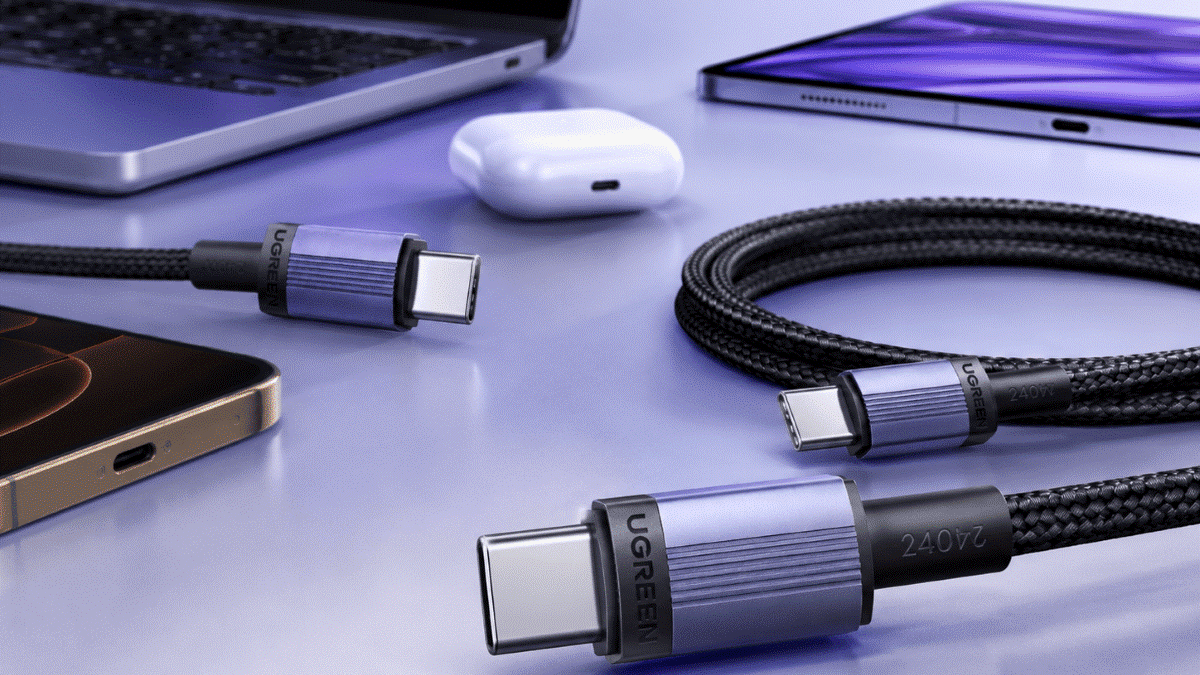
Best USB-C Cables 2026
If a worn cable was your culprit, these are the ones built to last.
Read the roundup ›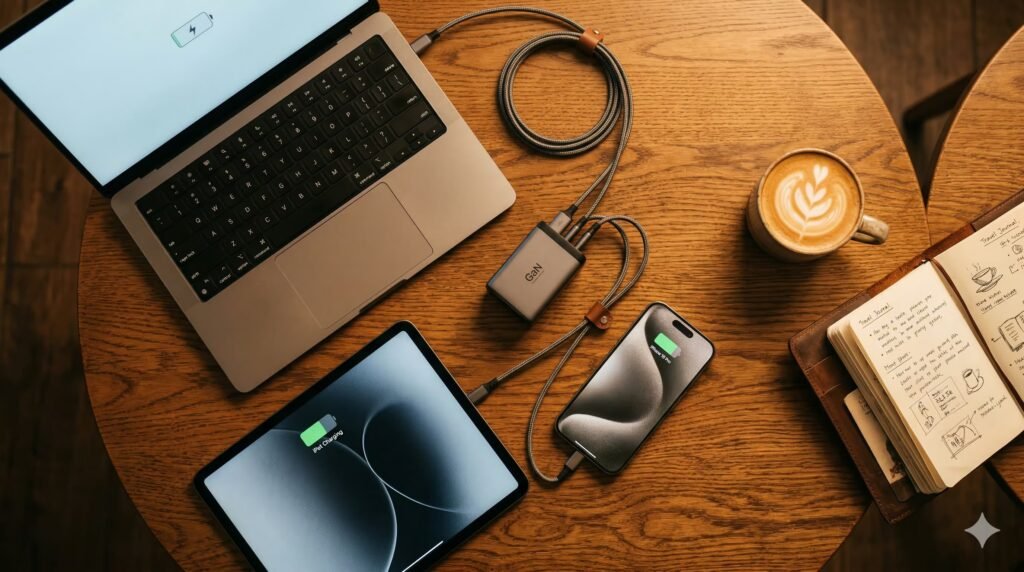
Best GaN Chargers 2026
The proper wall chargers that fix slow charging for good.
Read the roundup ›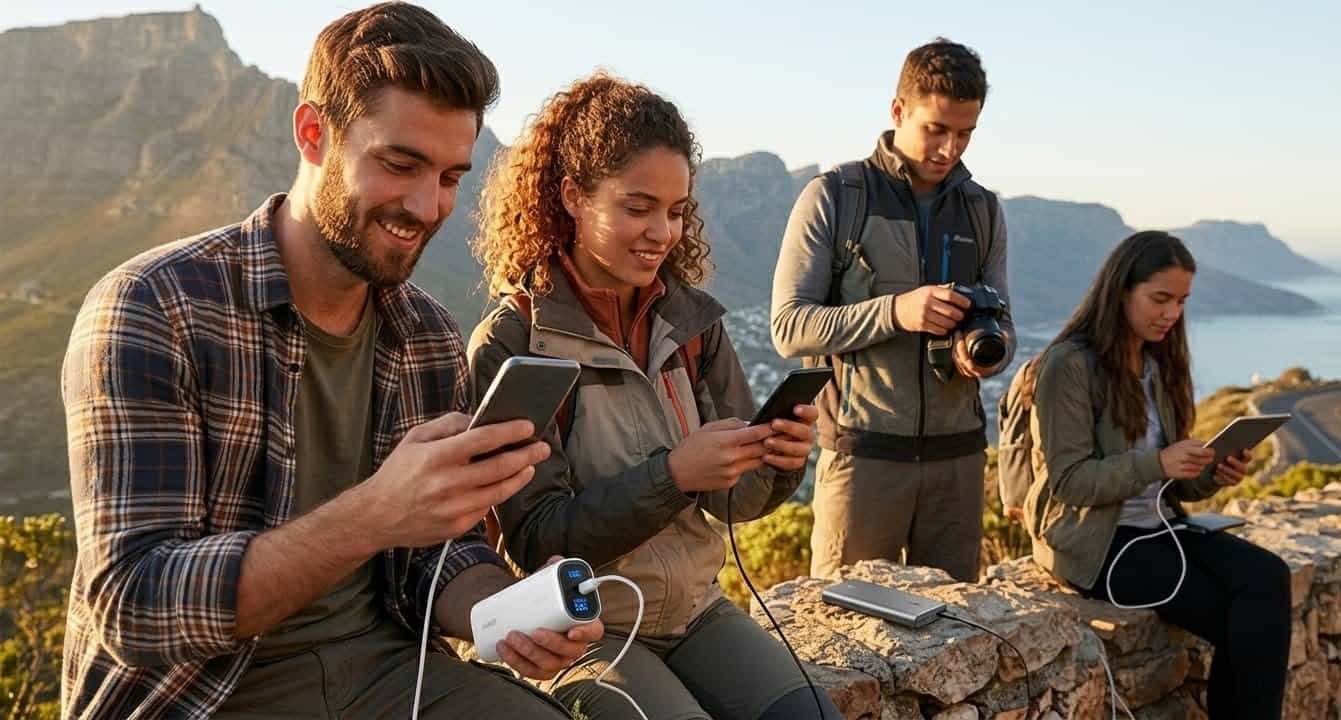
Best Power Banks 2026
For the days you are nowhere near a socket at all.
Read the roundup ›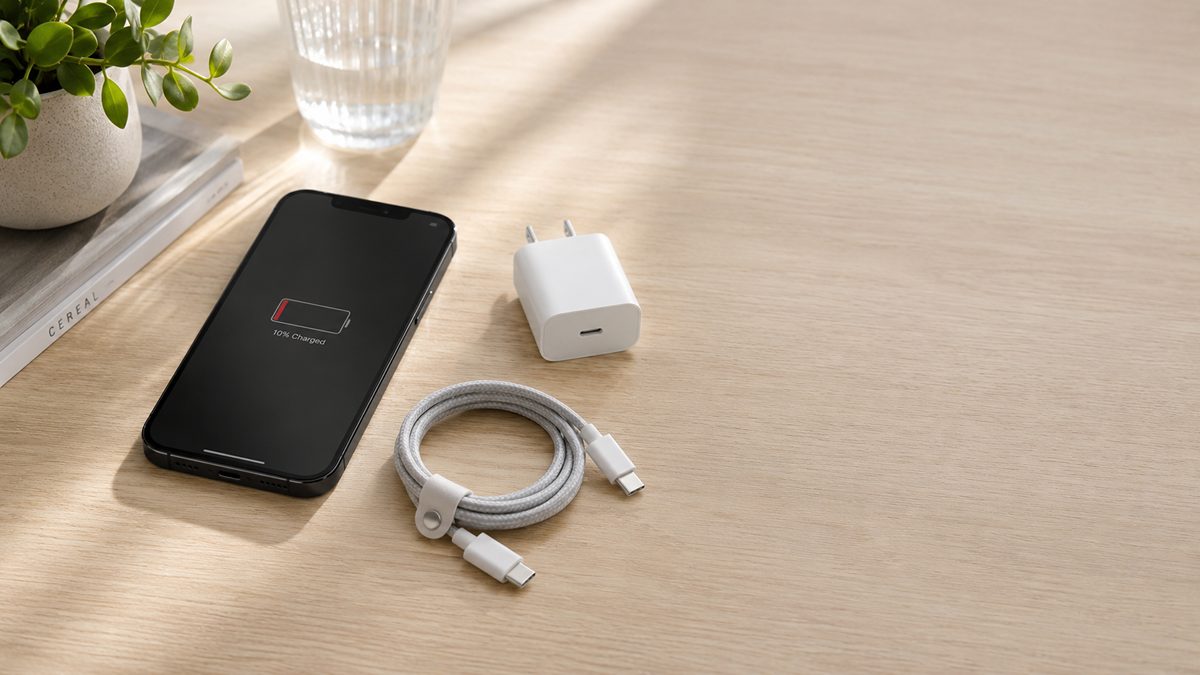
iPhone Not Charging
The iPhone-specific version of this fix walkthrough.
Read the guide ›Want to get ahead of the next problem? Browse all our charging guides and fixes.
Facts on this page come from Google Android Help, Google Pixel and Samsung Support, linked where each is first mentioned. See how we test and score.
Quick answers
Phone charging questions, answered
The questions readers ask, with the direct answer first.
Why is my phone plugged in but not charging?
A phone plugged in but not charging usually means a blocked port, a faulty cable or a charger that is too weak. Clean the port, swap the cable, move to a proper wall charger, and give it 30 minutes.
Why is my Samsung plugged in but not charging?
Run the same first checks, plus two Galaxy specifics: make sure Fast charging is on in Settings, Battery, Charging, and clear any water-drop moisture warning before charging by cable.
How do I force my phone to charge?
If the screen is frozen, force a restart (hold the power button 5 to 7 seconds, or Power and Volume Down), plug into a wall charger, and leave a fully drained phone 30 minutes before expecting the screen to wake.
How do I tell if my charging port is damaged?
It charges only at an angle or when you press the cable, the connector feels loose, or you can see lint, corrosion or bent pins. Clean it gently first, and if it still fails with a known-good cable, have the port checked.
How do I clean my charging port?
Power the phone off, then gently lift out the lint with a dry soft brush or a wooden or plastic toothpick. Avoid metal, compressed air and liquids.
Why is my phone charging slowly?
Most often a weak charger, a worn or charge-only cable, a hot phone, fast charging switched off on a Galaxy, or the normal slow-down over 80 percent. A proper USB-C wall charger and a good cable make the biggest difference.
Why does my phone say charging but the battery is not going up?
The charger or cable can barely keep up, especially while you use the phone. Switch to a stronger USB-C wall charger and a good cable, close heavy apps, and restart. A dirty or wet port can fake a connection too.
Why is my Samsung showing a water-drop icon and not charging?
It has detected moisture in the USB-C port and paused charging to protect it. Unplug, dry the phone with the port facing down somewhere airy, and try again once dry. Do not charge it wet, and skip the rice and heat. A wireless charger still works once the back is dry.
My phone stopped charging after an update, what should I do?
Restart, then force restart, and install any newer system update. Updates can leave a glitch that a restart clears, and makers ship charging fixes in later versions.
What are the signs of a failing phone battery?
Shorter runtime, charging that stalls or jumps around, the phone getting warm, or shutting down with charge left. Run your phone’s battery diagnostics, and if it is a few years old, a battery replacement usually restores it.
How do I know if my charger is broken?
Test it with another phone or cable. If a known-good cable and a different device also fail to charge from that plug, the charger or the outlet is the problem, not your phone.
Latest from SmartGadgetKit
 Lithium Ion Battery Fire Statistics 2026
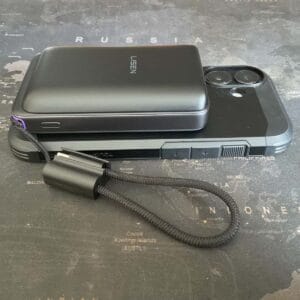 LISEN Power Bank Review: The Qi2.2 25W MagSafe 10000mAh, Measured
 How Long Does a Power Bank Last? Charges, Years and Sizing
 Anker Prime 250W Charger Review: 6-Port Desktop Hub
 Anker Prime 300W Power Bank Review: Two Laptops, One Socket-Free Table
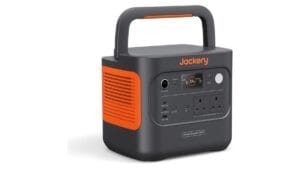 Jackery Explorer 2000 v2 Review: The Lightest Way to Carry 2kWh?
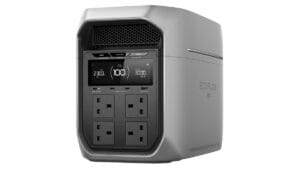 EcoFlow DELTA 3 Max Plus Review: What 2,048Wh Really Gives You
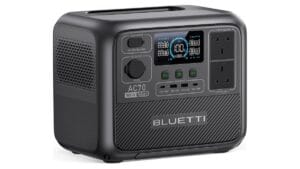 BLUETTI AC70 Review: What 2,000W Power Lifting Is Worth
Behind this guide
SGK verdicts combine hands-on testing by our team with trusted independent lab data, and we tell you the trade-offs, not only the wins.