Review · Power banks · Pocket 10K class
Anker Nano 10K Review: A1259 vs A1638
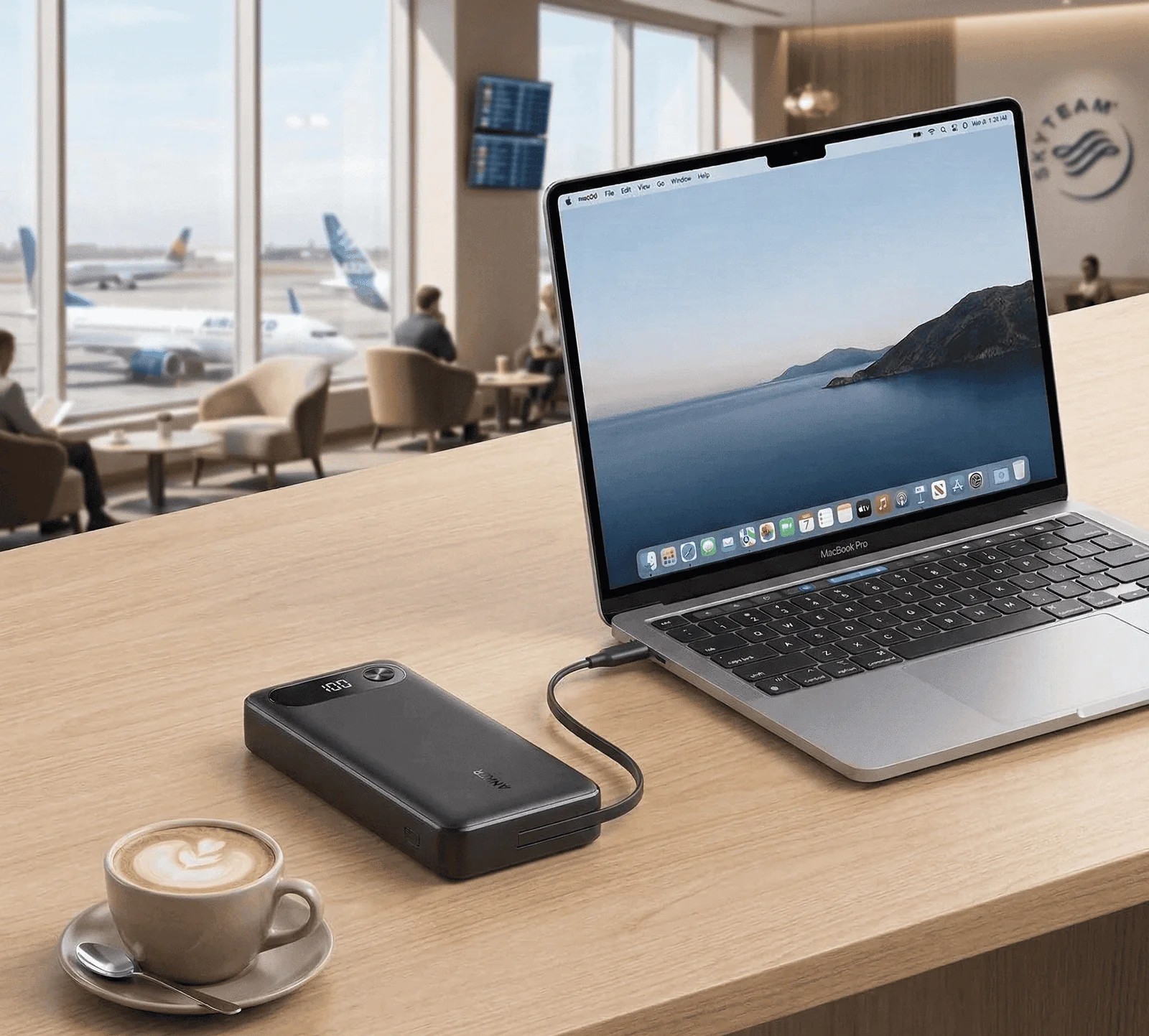
This Anker Nano 10K review puts the two portable charger models side by side: the A1259 (30W, 215g, fixed cable) and the A1638 (45W, 232g, retractable InstaCord cable). The right choice depends on how you charge and how you carry.

Scored against independent measured testing, specs verified with Anker UK
SmartGadgetKit is reader-supported. We may earn a commission if you buy through links on this page, at no extra cost to you. We only recommend gear we would carry ourselves.
Expert Score
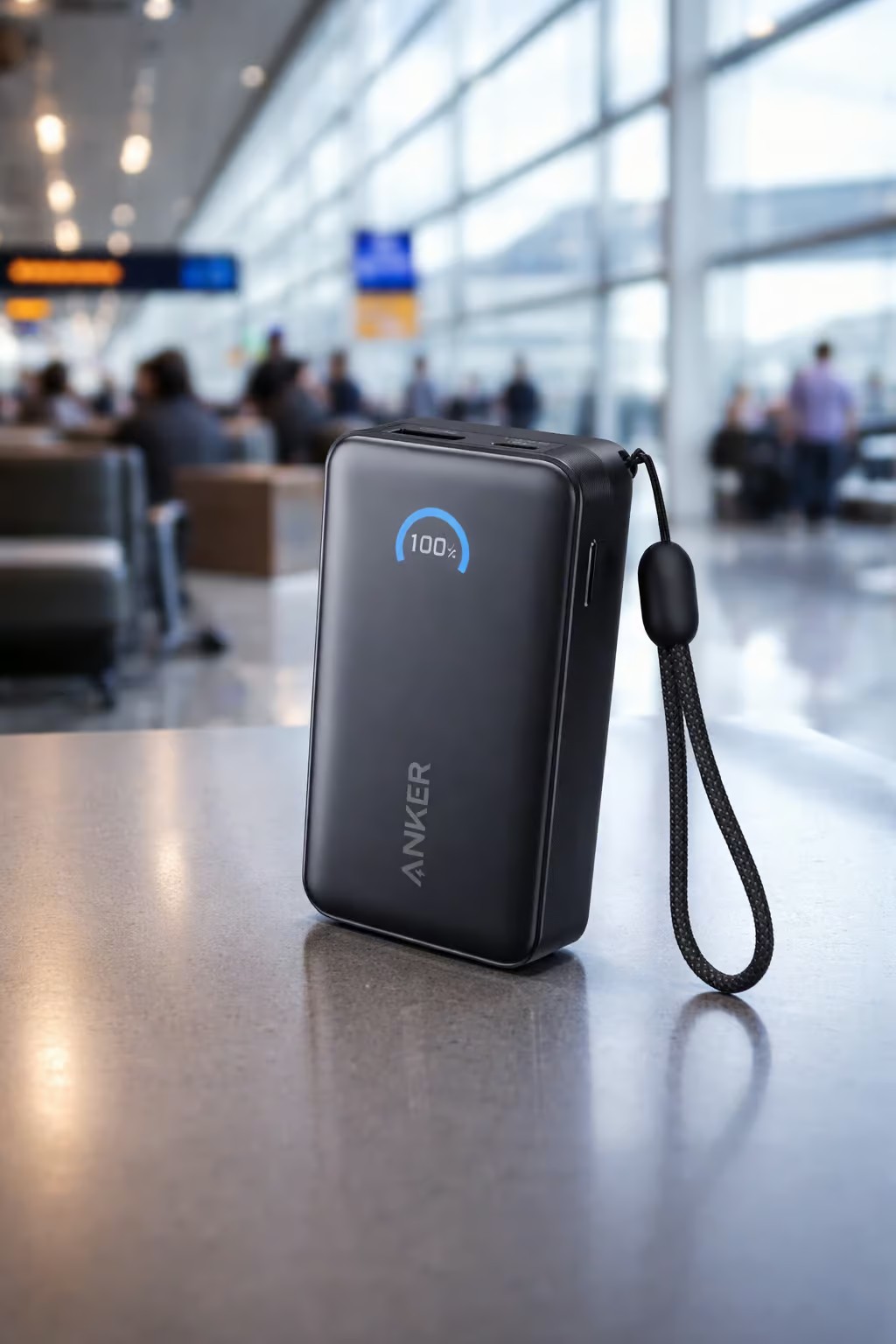
Both Anker Nano 10K portable charger models score 7.5 out of 10: the A1638 (45W) is the stronger buy for fast charging and cable convenience, the A1259 (30W) for a flatter, lighter carry. Neither will sustain a laptop under load.
Pros
- 45W output, up to 40W for iPhone 17 series
- Retractable InstaCord cable, manufacturer-rated for 20,000 bends and pulls
- ActiveShield 3.0 thermal management
- Pass-through charging that tops up your device first
Cons
- Thicker body that does not lie flat
- Runs warm under sustained peak load in independent testing
- Combined output drops to 22.5W with two devices connected
Key takeaways
Six numbers that decide which Nano 10K is yours.
Quick specs
The paper numbers for both Anker Nano 10K models.
| Models covered | A1259 (30W) and A1638 (45W) |
| Capacity | 10,000mAh, about 36Wh (both) |
| Max output | A1259: 30W, A1638: 45W |
| Weight | A1259: 215g, A1638: 232g |
| Built-in cable | Fixed USB-C (A1259), retractable InstaCord 70cm (A1638) |
| Airline status | Both within the 100Wh carry-on limit |
Specs confirmed against the Anker UK and Amazon listings for the A1259 and A1638. Performance figures come from independent testing by TechRadar. See how we test and score.
First impressions
The Anker Nano Power Bank (10K, 45W), model code A1638, and the Anker Nano Power Bank (10K, 30W), model code A1259, both arrive in Anker’s standard retail box with a short USB-C cable for recharging the bank itself. No wall charger is included, so you need a 30W source to refill either bank in reasonable time.
The A1259 stands out for how flat it is: a 26mm profile that sits flush in a palm or jacket pocket. The A1638 is more block-shaped at 36mm thick, the cost of fitting the retractable cable mechanism inside the housing.
Both units have a physical button that wakes the LED display: press once to check remaining charge, hold to start output. The A1638 display is light-sensitive and brightens outdoors, where the A1259 screen can need a second look.
Design and build
Design and build
Both models share Anker’s Nano design language: a rounded rectangular body, a soft-touch matte finish and a color LED display. The A1259 measures 104 x 52.3 x 26mm, the A1638 a shorter but thicker 81 x 50 x 36mm.
The fixed cable on the A1259 exits the curved short edge and folds flat against the body when not in use. The A1638’s InstaCord cable sits flush in the same edge and pulls out to 70cm with firm, smooth resistance.
A USB-A port and the USB-C input sit side by side on the flat short edge of both units. The A1638 adds a rubber cap over its USB-C input, which the A1259 lacks.
Build quality matches Anker’s mid-range standard, with no flex in the chassis on either unit. Anker rates the InstaCord mechanism for 20,000 bends and 20,000 pulls, a higher durability rating than most built-in cables at this price.

The A1259: fixed USB-C cable and USB-A port on the short edge.
 Darleene asks
“They look identical to me in the photos. What am I really choosing between?”
Alisdair’s answer: Shape and speed. The A1259 is the flat one: 30W, 215g, made to disappear into a pocket. The A1638 is the quick one: 45W and a cable that rewinds itself, in a thicker 232g body.
Speed is the part you notice day to day. If you charge an iPhone 17 or a recent Samsung flagship, the A1638 tops it up at up to 40W or 45W, where the A1259 caps at 30W.
If your phone charges at 30W or less anyway, or the bank lives in a tight pocket, the A1259 is the better buy and the thicker body would buy you nothing.
Charging performance
The A1638 delivers 45W to a single device through its built-in USB-C cable. Anker confirms up to 40W for the iPhone 17 series and 45W for compatible Samsung devices, while the A1259 peaks at 30W.
Independent testing by TechRadar (October 2025) measured output matching Anker’s rated values, and noted the A1638 runs warm under sustained peak load, consistent with ActiveShield 3.0 thermal management doing its job. The A1259 runs cool at 30W.
Connect a second device through the USB-A port and total output is shared: 24W on the A1259, 22.5W on the A1638. That covers a phone plus earbuds, but two phones at full speed is not what either model is built for.
No outlet has published a measured conversion-efficiency figure for either model, so we are not quoting one. The estimates below assume about 80% efficiency, the typical figure for this class, and they come out the same for both models.
| iPhone 17 (3,279mAh) | About 2.4 full charges |
| iPhone 15 Pro (3,274mAh) | About 2.4 full charges |
| Samsung Galaxy S24 (4,000mAh) | About 2.0 full charges |
| AirPods Pro 2 case (610mAh) | About 13 full charges |
| iPad mini 7 (5,124mAh) | About 1.5 full charges |
Estimates from a full 10,000mAh bank at about 80% conversion efficiency. Capacity data: manufacturer specifications. Neither model sustains laptop charging under active load.
Darleene’s version: The 45W one fills your phone faster and its cable winds itself away; the 30W one is slower but flatter in your pocket. Both charge a phone about twice over.
Pass-through charging
The A1638 supports pass-through charging. With a device plugged in while the bank itself recharges, it prioritizes the device to about 80%, then redirects power to refill the bank, per Anker’s official documentation.
Anker does not list pass-through for the A1259, so treat that model as charge first, then use. If topping up a device while the bank recharges matters to you, the A1638 is the one to pick.
Both models accept 30W input, so a full recharge from flat takes about 2.5 to 3 hours with a 30W charger, which suits an overnight charge cycle. Anker says the A1259 reaches about 50% in 45 minutes.
Portability and travel use
At 215g and 232g, both models are light enough for daily carry without becoming the heaviest thing in a bag. The A1259’s flat profile disappears into a jeans pocket or slim bag sleeve, while the A1638’s thicker body sits better in a jacket or rucksack pocket.
In power-to-weight terms the A1259 returns 46.5 mAh per gram and the A1638 43.1, both typical for the pocket 10K class. The gap is the cost of the retractable mechanism, and it is a fair trade if you will use the cable daily.
Neither model needs a separate cable, which is the point of the design: the lead you need is always attached. The A1638’s rewind keeps it tidy, while the A1259’s folds flat against the body.
Airline carry-on
At about 36Wh, both Nano 10K models sit well inside the 100Wh carry-on limit that applies on UK, EU and US carriers, so there is no separate airline approval step: every power bank under 100Wh is automatically cleared to fly. Banks must travel in your carry-on, never in checked bags.
| British Airways | 100Wh (cabin only): permitted |
| EasyJet | 100Wh (cabin only): permitted |
| Ryanair | 100Wh (cabin only): permitted |
| Emirates | 100Wh (cabin only): permitted |
| Delta / United (US, FAA rules) | 100Wh per unit: permitted |
Carrier policies correct as of June 2026: confirm with your airline before you fly. The US limit comes from the FAA PackSafe lithium battery guidance.
Full rules are in our Can you take a power bank on a plane? guide. Check any capacity in seconds with our mAh to Wh calculator.
Specifications
Full specifications and safety
Anker’s official figures: the A1259 weighs 215g and measures 104 x 52.3 x 26mm, a flat slab that sits neatly behind a phone. The A1638 weighs 232g at 81 x 50 x 36mm, shorter but chunkier. Both carry a 10,000mAh cell, about 36Wh.
| Capacity | 10,000mAh, about 36Wh (both) |
| Max output (single port) | A1259: 30W, A1638: 45W |
| iPhone 17 max charge | A1259: 30W, A1638: 40W |
| USB-A output | 22.5W (both) |
| Combined output (2 ports) | A1259: 24W, A1638: 22.5W |
| Input | 30W (both) |
| Ports | 1x USB-C and 1x USB-A (both) |
| Built-in cable | Fixed USB-C (A1259), retractable InstaCord 70cm (A1638) |
| Cable durability | Not rated (A1259), 20,000 bends and 20,000 pulls (A1638) |
| Weight | A1259: 215g, A1638: 232g |
| Dimensions | A1259: 104 x 52.3 x 26mm, A1638: 81 x 50 x 36mm |
| Display | Color LED (A1259), light-sensitive color LED (A1638) |
| Thermal management | Standard (A1259), ActiveShield 3.0 (A1638) |
| Pass-through charging | Not listed (A1259); yes, device first to about 80% (A1638) |
| Warranty | 18 months (both) |
| Airline compliant | Yes, within 100Wh (both) |
Sources: Anker UK product pages for the A1259 and A1638, and Amazon UK listings, accessed June 2026. Measured output: independent testing by TechRadar (October 2025).
Safety certifications
Both models meet the relevant safety standards for UK and EU sale, per Anker’s UK product pages: CE marking, FCC certification, RoHS compliance and UN38.3 air-transport battery certification. The A1638 adds ActiveShield 3.0 thermal management.
Neither model appears on Anker’s official recall page, which lists every model covered by Anker’s voluntary power bank recalls; checked September 2026. Anker publishes safety notices there, and both models carry an 18-month warranty. Confirm the certification marks on the unit and packaging when yours arrives.
Why we scored it 7.5 out of 10
Both models land on 7.5, built from four sub-scores on our current rubric.
Anker Nano 10K review scorecard: A1638 (45W)
Anker Nano 10K review scorecard: A1259 (30W)
Port and cable design is where the A1638 earns its premium: the retractable InstaCord is rated for 20,000 bends and 20,000 pulls and carries the full 45W. No fixed-cable rival at this price matches it, including the A1259.
Charging speed favours the A1638 as well. Its 45W output is the fastest available in a 10,000mAh bank with a built-in cable, and TechRadar’s October 2025 testing measured it matching Anker’s rated values.
Carry rating is the A1638’s weakest score. At 232g and 36mm thick it sits upright rather than flat, the honest cost of the rewind mechanism, while the A1259’s 215g flat slab scores 7.5 here.
Value is the A1259’s best score at 8.0: a built-in cable, a bonus USB-A port and 30W output at lower spend. The A1638 scores 7.5, because the premium only pays off if you will use the retractable cable daily.
That is how both land on 7.5. Buy the A1638 for speed and cable convenience, the A1259 for a flatter, lighter carry at lower spend, and look elsewhere if you need to power a laptop.
The verdict
The Anker Nano 10K solves a real problem: the cable you need is always attached. Both models deliver their rated speeds in independent testing, and both sit well within the airline carry-on limit.
The A1638 is the stronger buy for fast charging: 45W output, up to 40W for the iPhone 17 series, and the retractable InstaCord cable. The cost is a thicker body and a higher spend over the A1259.
The A1259 is the easy recommendation for everyday carry: flatter, lighter and cheaper, giving up 15W of peak speed most phones will never use. If you fast-charge an iPhone 17 or a premium Samsung daily, pick the A1638; everyone else should save the difference.
Should you buy the Anker Nano 10K?
The honest split.
Buy it if
- You charge an iPhone 17 or premium Samsung and want 45W without a separate cable (A1638)
- You want a flat, light bank that disappears into a pocket or slim bag (A1259)
- You fly regularly and want a bank that clears the 100Wh limit with no sums (either model)
Skip it if
- You need laptop charging: neither model sustains a laptop under load
- You mainly charge USB-A devices and have no use for 45W
- You want a replaceable cable: the built-in lead cannot be swapped if it fails
Which Anker Nano 10K should you buy: 30W vs 45W?
Quick answer: the Anker A1259 vs A1638 choice is an Anker Nano 30W vs 45W decision. Buy the A1638 if you want 45W fast charging and a retractable cable; buy the A1259 if you prioritize a flatter, lighter carry and do not need more than 30W.
Both score 7.5 out of 10 and both are recommended. The right choice depends on how you charge your phone and where you carry the bank.
| Daily commute, light bag | A1259 best fit (flat, 215g); A1638 good (thicker) |
| iPhone 17 fast charging | A1259: 30W (good); A1638: 40W (optimized) |
| Samsung flagship | A1259: 30W; A1638: 45W (full spec) |
| No separate cable needed | A1259: fixed cable; A1638: retractable, 70cm |
| Tight bag or trouser pocket | A1259 best fit (flat); A1638 stands upright |
| Budget conscious | A1259 best fit (lower spend); A1638 premium for the cable |
| Airline carry-on travel | Both permitted |
How the Anker Nano 10K compares
| Anker Nano 10K A1638 Our pick | INIU Pocket Rocket P50 | Zendure SuperMini 10K | |
|---|---|---|---|
| Capacity | 10,000mAh | 10,000mAh | 10,000mAh |
| Max output | 45W | 45W | 20W |
| Weight | 232g | ~160g | ~180g |
| Dimensions | 81 x 50 x 36mm | 84 x 51 x 25mm | 79 x 56 x 26mm |
| Built-in cable | Yes (retractable, 70cm) | No (detachable lanyard) | No |
| Cable durability | 20,000 bends and pulls | N/A | N/A |
| Display | Light-sensitive color | No | No |
| Best for | Fast charging, cable convenience | Lightest 45W option | Ultra-compact, low power |
The INIU Pocket Rocket P50 matches the 45W output at roughly 160g, but its cable is a detachable lanyard rather than a built-in rewind. The Zendure SuperMini 10K is the compact low-power option at 20W.
Alternatives worth a look
Where the Nano 10K is the wrong fit, one of these is usually right.
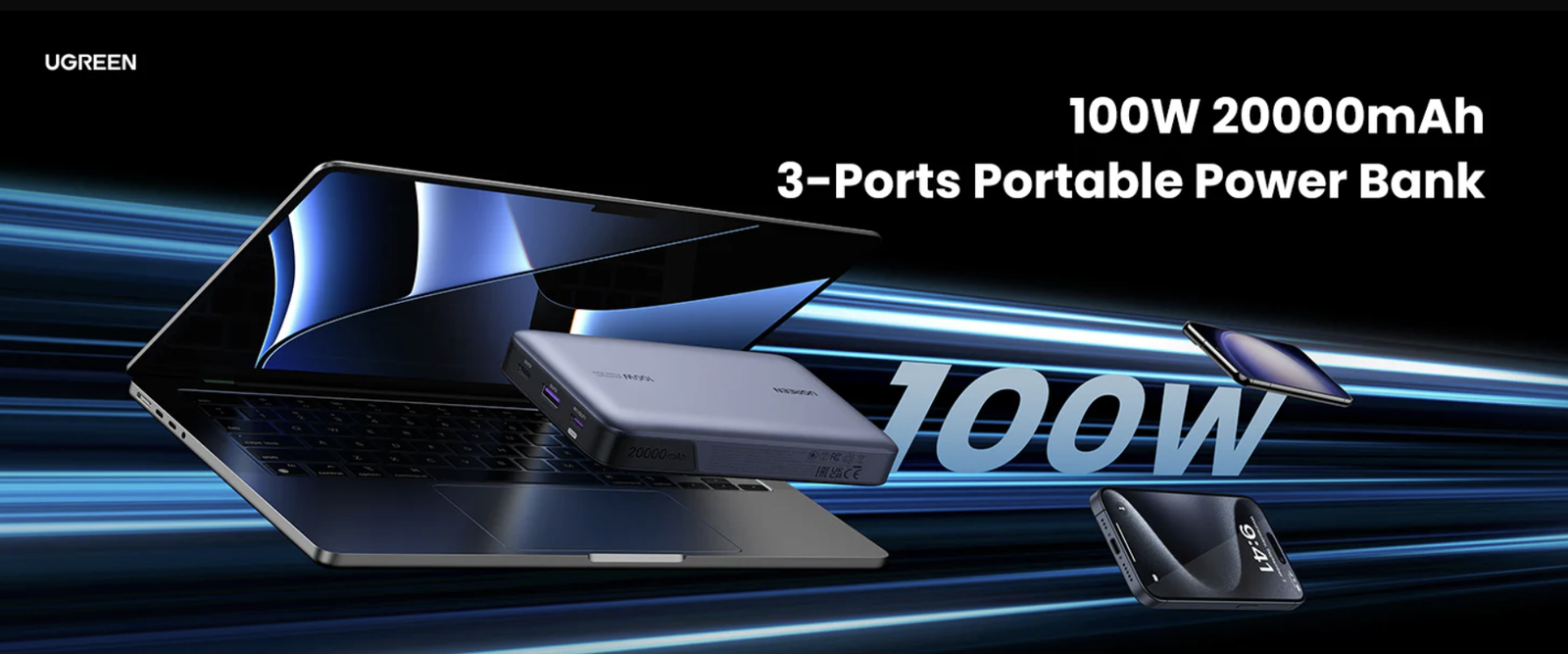
UGREEN Nexode 100W Power Bank
Doubles capacity to 20,000mAh with 100W output and four ports. Better suited to multi-day trips or charging a laptop and phone together.
Anker 737 PowerCore 24K
Steps up to 24,000mAh and 140W, enough to charge a MacBook Pro alongside a phone. The natural choice if laptop top-ups are the requirement neither Nano 10K model can meet.
Best Power Banks for Travel 2026
Not sure the Nano 10K fits your travel setup? Our roundup covers top-rated options across compact, mid-capacity and high-output classes, with airline compliance confirmed for each pick.
Frequently asked questions
Straight answers to what buyers search for.
What is the difference between the Anker A1259 and A1638?
Both are 10,000mAh power banks with a built-in USB-C cable. The A1259 delivers 30W from a flat, pocketable 215g body with a fixed cable.
The A1638 delivers 45W from a shorter, thicker 232g body with a retractable InstaCord cable and ActiveShield 3.0 thermal management. It costs more but offers faster charging and greater cable convenience.
How fast does the Anker Nano 10K charge an iPhone 17?
The A1638 charges the iPhone 17 series at up to 40W, per Anker’s official specifications. The A1259 maxes out at 30W for iPhone 17.
Both are far quicker than a standard 5W or 12W charger. Actual charge times depend on battery state and ambient temperature.
Can I take the Anker Nano 10K on a plane?
Yes. At about 36Wh, both the A1259 and A1638 sit well within the 100Wh limit that applies on most carriers in the UK, EU and US.
Always carry power banks in your carry-on, not in checked bags. See our power bank airline guide for a full breakdown by carrier.
Does the Anker Nano 10K support pass-through charging?
The A1638 does. In pass-through mode it prioritizes the plugged-in device until it reaches about 80%, then redirects power to refill the bank itself, per Anker’s official documentation.
Anker does not list pass-through for the A1259, so treat it as charge first, then use. If charging a device while the bank tops up matters to you, pick the A1638.
How long does the Anker Nano 10K take to fully recharge?
Anker rates both models for 30W input, so a 30W or higher PD charger refills the bank from flat in roughly 2.5 to 3 hours. Anker says the A1259 reaches about 50% in 45 minutes. A slower charger or a low-power laptop port extends that considerably.
Is there an Anker Nano 10K recall?
No. Neither the A1259 nor the A1638 appears on Anker’s official recall page, which lists every model covered by Anker’s voluntary power bank recalls. Checked September 2026.
No action is required for either model.
What are the common problems with the Anker Nano 10K?
The main practical limitation is combined output: total power drops when two devices are connected at once, to 24W on the A1259 and 22.5W on the A1638.
The A1638 runs warm during sustained 45W charging, noted in TechRadar’s October 2025 testing as expected behavior for ActiveShield 3.0. Neither model powers a laptop under active load.
Does the Anker A1638 work with Samsung fast charging?
Yes. The A1638 delivers up to 45W to compatible Samsung devices through its USB-C cable, matching Samsung’s flagship fast-charging specification.
That makes it one of the more capable 10,000mAh options for Samsung users.
How many times can the Anker Nano 10K charge my phone?
From the 10,000mAh cell, expect about 2.4 full charges for an iPhone 17 and about 2.0 for a Galaxy S24, at roughly 80% conversion efficiency. Smaller devices like AirPods Pro 2 stretch to about 13 charges.
How much does the Anker Nano 10K weigh, and what size is it?
The A1259 weighs 215g and measures 104 x 52.3 x 26mm. The A1638 weighs 232g and measures 81 x 50 x 36mm.
The A1259 is the longer, flatter of the two; the A1638 trades a thicker body for the retractable cable. Both are flight-safe at about 36Wh.
Which Anker Nano model do I have: A1259, A1387 or A1638?
All three are Nano power banks with a built-in USB-C cable, and the code is printed on the label on the base. A1259 is the Nano 10K (30W) with a fixed cable, and A1638 is the Nano 10K (45W) with the retractable InstaCord cable; those are the two models this review compares.
A1387 is the larger Nano 20K (30W). If that is your model, our best 20,000mAh power banks roundup is the right starting point.
Can the Anker Nano 10K charge a laptop?
For a top-up, yes: the A1638’s 45W USB-C output can refill a compatible laptop while it sleeps or runs light tasks. Neither model will sustain a laptop under load; that is where a higher-wattage bank takes over.
Our best laptop power banks guide covers the models that do.
Final word
The Anker Nano 10K earns its reputation as a portable charger by keeping the cable attached: whichever model you pick, you always have a lead to hand. Both matched their rated speeds in independent testing, and both are safe to fly with.
Fast chargers and cable minimalists should shortlist the A1638; light packers on a tighter budget should take the A1259. See how we test, or see where both rank in our best power banks 2026 roundup.
Keep reading
Three guides that pick up where this review ends. Or browse all our power bank guides and reviews.

Best Power Banks 2026: Tested and Compared
Every recommended power bank this year, ranked and scored.
Best Power Banks for Travel 2026
Travel-ready picks with airline compliance confirmed for each.
Can You Take a Power Bank on a Plane?
The 100Wh rule, carrier policies and edge cases, in plain terms.
Latest from SmartGadgetKit
 Lithium Ion Battery Fire Statistics 2026
 LISEN Power Bank Review: The Qi2.2 25W MagSafe 10000mAh, Measured
 How Long Does a Power Bank Last? Charges, Years and Sizing
 Anker Prime 250W Charger Review: 6-Port Desktop Hub
 Anker Prime 300W Power Bank Review: Two Laptops, One Socket-Free Table
 Jackery Explorer 2000 v2 Review: The Lightest Way to Carry 2kWh?
 EcoFlow DELTA 3 Max Plus Review: What 2,048Wh Really Gives You
 BLUETTI AC70 Review: What 2,000W Power Lifting Is Worth